public health
best walking challenge 2026, daily walking benefits, how does nhs walking challenge work, marathon a month walking, marathon a month walking 2026, marathon a month walking guide, nhs healthy lifestyle, nhs walking rewards 2026, nhs walking scheme, physical inactivity uk, streak walking rewards, walking 30 minutes a day rewards, walking for health, what is marathon a month
Carolyn Stinnett
0 Comments
7 Powerful Benefits of NHS Walking Challenge 2026 for Better Health
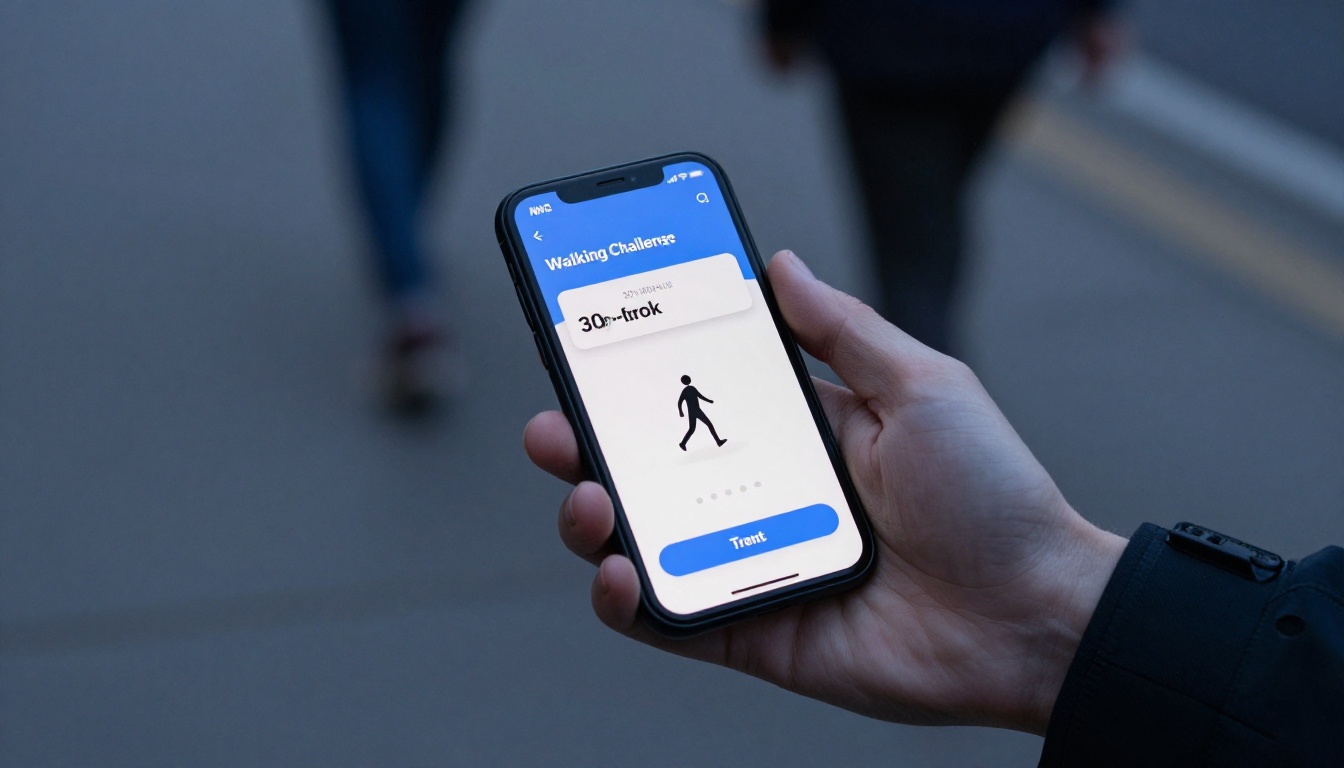
The NHS walking challenge is quickly becoming one of the most talked-about health initiatives in the UK, and for good reason. At its core, it encourages something incredibly simple—just 30 minutes of walking each day. Yet this small habit could lead to massive improvements in physical and mental health.
What makes this programme even more interesting is that it combines health with motivation. People are not only encouraged to move more, but they may also receive rewards for doing it consistently. That mix of health and incentives is what makes the NHS walking challenge feel different from traditional fitness advice.
In a world where most of us sit for long hours, this challenge is a gentle reminder that movement doesn’t need to be extreme to be effective. A daily walk might just be the simplest lifestyle upgrade you ever make.
What is the NHS Walking Challenge?
The NHS walking challenge is a public health initiative designed to encourage adults to walk for at least 30 minutes a day. The goal is simple: build a habit that improves long-term health without requiring intense workouts or expensive gym memberships.
Instead of focusing on extreme fitness goals, the programme promotes consistency. Walking a little each day adds up over time, and participants may also earn rewards such as discounts, vouchers, or digital incentives for staying active.
The idea is based on a simple truth—movement is medicine. And walking is the easiest form of it.
How the NHS Walking Challenge Works
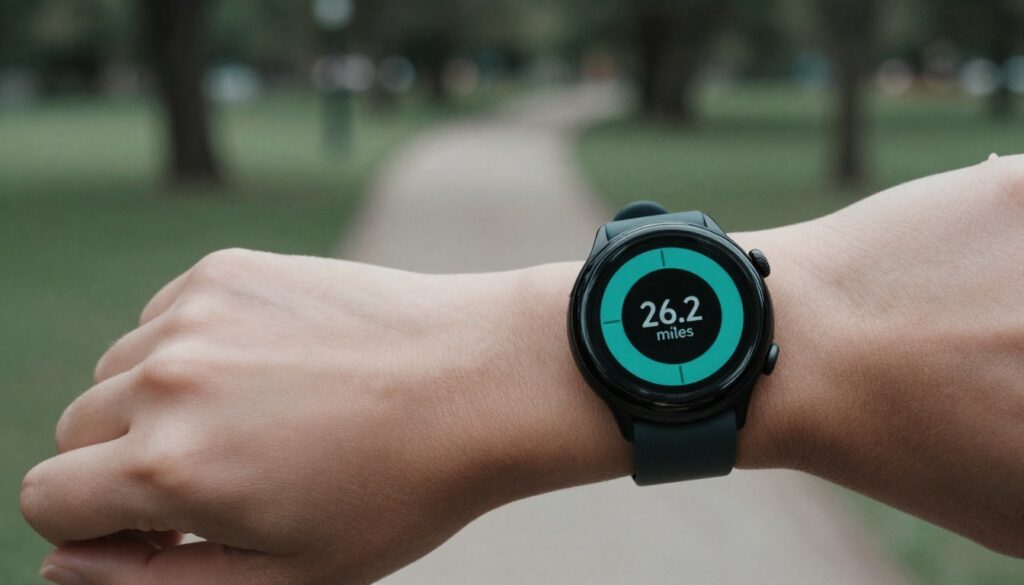
The structure of the NHS walking challenge is designed to be easy and accessible for everyone. Participants track their daily walking using a smartphone or wearable device.
Here’s how it typically works:
- Walk for around 30 minutes a day
- Track activity using a phone or smartwatch
- Earn progress toward a monthly walking goal
- Unlock rewards for consistency
The challenge is flexible. You don’t need to walk all 30 minutes at once. You can break it into shorter sessions—morning, lunch, and evening walks all count.
This flexibility is what makes the NHS walking challenge realistic for busy people who struggle to find time for structured exercise.
7 Powerful Health Benefits of the NHS Walking Challenge Improves Heart Health Naturally
One of the biggest benefits of the NHS walking challenge is improved cardiovascular health. Walking regularly helps strengthen the heart, improve blood circulation, and reduce the risk of heart disease.
Even a moderate daily walk can lower blood pressure over time.
Supports Healthy Weight Management
You don’t need intense workouts to manage weight. The NHS walking challenge shows that consistent movement helps burn calories naturally.
Walking boosts metabolism gently and helps prevent long-term weight gain without stressing the body.
Boosts Mental Well-being
Walking is not just physical—it’s deeply mental too. Many participants in the NHS walking challenge notice improved mood, reduced anxiety, and clearer thinking.
A daily walk outdoors can help reset the mind, especially after stressful work hours.
Improves Energy Levels
It may sound surprising, but walking actually increases energy. The NHS walking challenge encourages movement that improves oxygen flow and reduces fatigue.
Instead of feeling tired from walking, most people feel more refreshed afterward.
Encourages Better Sleep
Regular walking helps regulate sleep patterns. People in the NHS walking challenge often report falling asleep faster and enjoying deeper rest.
This happens because physical activity helps balance natural body rhythms.
Builds Long-Term Healthy Habits
The biggest strength of the NHS walking challenge is habit formation. Once walking becomes part of your daily routine, it naturally replaces sedentary behaviour.
This small change often leads to bigger lifestyle improvements over time.
Makes Fitness Feel Achievable
Many people avoid exercise because it feels overwhelming. The NHS walking challenge removes that pressure completely.
There are no gym memberships, no complicated routines—just simple walking. That accessibility is what makes it so powerful.

Why 30 Minutes a Day Makes a Big Difference
Thirty minutes might not sound like much, but consistency matters more than intensity. The NHS walking challenge is built on this principle.
A half-hour walk improves circulation, supports metabolism, and keeps joints active. Over a month, it adds up to a significant amount of movement—enough to make real changes in health markers.
The key is not perfection but repetition. Even on busy days, short walks still count.
Practical Tips to Stay Consistent
Sticking to the NHS walking challenge is easier when you build simple habits into your routine.
Here are some practical strategies:
- Walk after meals to aid digestion
- Take phone calls while walking
- Park further away from your destination
- Use stairs instead of lifts when possible
- Walk with friends or family for motivation
The goal is not to force change but to integrate movement into your normal day.
Small steps create long-term results.

Do Rewards Really Improve Motivation?
One of the most interesting aspects of the NHS walking challenge is its reward system. While health should ideally be motivation enough, real life often works differently.
Rewards like vouchers or discounts can help people start—and starting is often the hardest part. Once the habit forms, the reward becomes secondary.
The NHS walking challenge uses behavioural psychology in a smart way: small incentives lead to big behavioural shifts.
Still, the real reward is better health, improved mood, and increased energy.













Post Comment