Diabetes type-1
beta cell preservation, herd immunity measles, measles cases united states, measles outbreak 2026, mmr vaccine, protégé study, sanofi tzield, stage 3 type 1 diabetes treatment, type 1 diabetes breakthrough, tzield approval stage 3, tzield explained, tzield type 1 diabetes, tzield type 1 diabetes 2026, what is tzield
Carolyn Stinnett
0 Comments
7 Powerful Truths About Tzield Type 1 Diabetes Treatment Breakthrough
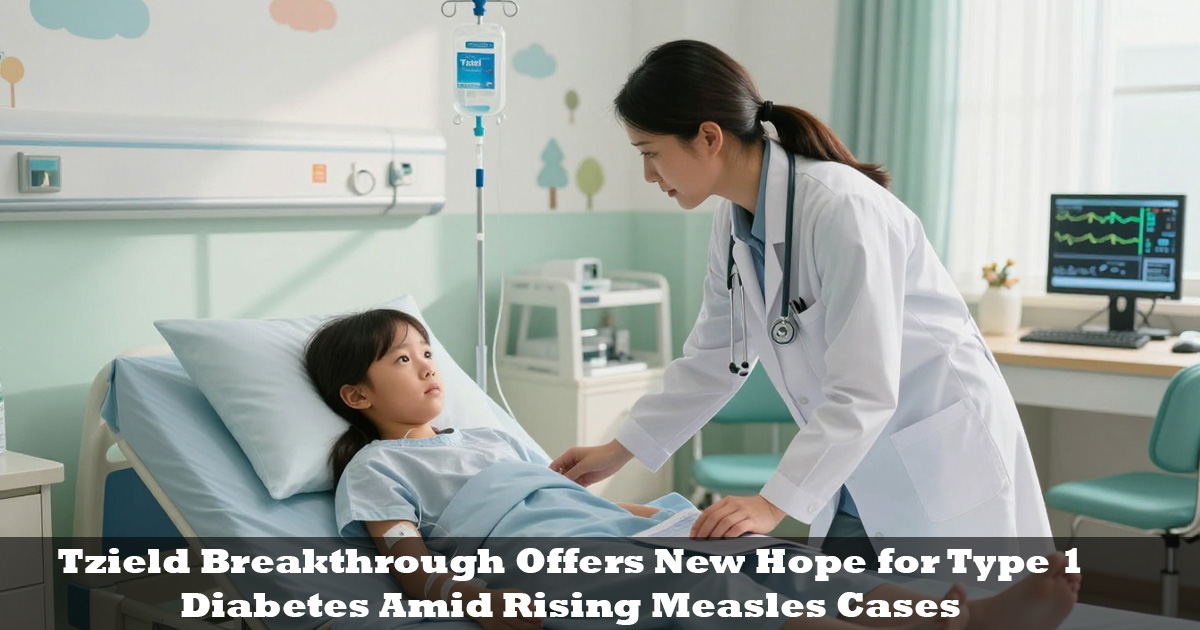
Tzield type 1 diabetes treatment is reshaping how doctors think about one of the most life-changing diagnoses in modern medicine. For the first time, there is a therapy that doesn’t just manage type 1 diabetes after it appears—it actually slows the immune system’s attack on insulin-producing cells.
That shift is huge. For decades, a type 1 diabetes diagnosis meant one path: lifelong insulin therapy, constant monitoring, and careful daily management. Now, with Tzield, families have something they never had before—time and protection for the body’s remaining insulin production.
But this medical breakthrough arrives at a complicated moment in public health. While science pushes forward, the United States is also dealing with rising measles cases in 2026. It’s a sharp contrast: one story shows progress, the other reveals gaps in prevention that should no longer exist.
Both stories belong in the same conversation about where modern healthcare is heading.

What Makes Tzield Type 1 Diabetes Treatment a Breakthrough
The Tzield type 1 diabetes treatment stands out because it targets the root cause of the disease, not just the symptoms.
Type 1 diabetes is an autoimmune condition. The immune system mistakenly attacks beta cells in the pancreas, which produce insulin. Once those cells are destroyed, the body can no longer regulate blood sugar naturally.
Tzield (teplizumab-mzwv) changes that pattern by:
- Slowing immune system attack on beta cells
- Preserving natural insulin production for longer
- Delaying full disease progression
- Giving patients more stable early-stage outcomes
This is not a cure, but it is the first approved treatment that actually modifies the disease course.
For families, that distinction matters. It means diagnosis is no longer an immediate full stop on the body’s insulin function—it becomes a slower transition.
How Tzield Type 1 Diabetes Treatment Works Inside the Body
The science behind Tzield type 1 diabetes treatment is both complex and fascinating.
Tzield is a monoclonal antibody that targets CD3, a protein found on T cells. These T cells are part of the immune system responsible for attacking beta cells in type 1 diabetes.
By binding to CD3, Tzield essentially:
- Calms overactive immune responses
- Reprograms immune signaling
- Reduces destruction of insulin-producing cells
Instead of shutting the immune system down completely, it adjusts the “wrong instructions” that lead to autoimmunity.
This selective approach is what makes the therapy so important in modern immunology. It represents a shift from suppression to correction.
Why Early Treatment Changes Everything
Timing is everything in Tzield type 1 diabetes treatment.
The medication works best when introduced shortly after a stage 3 diagnosis of type 1 diabetes. At this stage, symptoms are already noticeable:
- Extreme thirst
- Frequent urination
- Unexplained weight loss
- Fatigue and blurred vision
Even though damage has already begun, many beta cells are still alive—but vulnerable.
Tzield helps slow their destruction, which can:
- Reduce early insulin requirements
- Improve metabolic stability
- Delay complications
- Preserve natural insulin production longer
For families, this early intervention window can feel like a rare opportunity to regain control in a situation that often feels overwhelming.

Measles Cases Rising in the United States
While breakthroughs like Tzield type 1 diabetes treatment are making headlines, another public health issue is moving in the opposite direction.
The United States has seen a troubling rise in measles cases in 2026, with more than 2,000 confirmed infections reported across multiple jurisdictions.
Measles is not a harmless childhood illness. It spreads through the air and can remain infectious in enclosed spaces for hours. Once it enters under-vaccinated communities, outbreaks spread quickly.
Symptoms often include:
- High fever
- Rash spreading across the body
- Severe respiratory distress
- Risk of complications like pneumonia or encephalitis
The most concerning factor is that measles is almost entirely preventable with vaccination—yet coverage rates in some areas have declined below the level needed for herd immunity.
The Public Health Warning Behind the Numbers
The contrast becomes clear when looking at prevention.
On one side, Tzield type 1 diabetes treatment represents advanced medical innovation targeting complex autoimmune disease. On the other, measles outbreaks highlight how fragile prevention systems can become when vaccination rates drop.
When immunization coverage falls below critical thresholds, diseases that were once controlled return quickly.
This is not just a medical issue—it is a trust issue. Public health depends on collective participation, and even small gaps can lead to large outbreaks.
Comparing Progress: Medicine vs. Prevention
One of the most striking realities in modern healthcare is the imbalance between treatment innovation and prevention compliance.
With Tzield type 1 diabetes treatment, science is advancing into highly specialized immune modulation therapies. These require years of research, clinical trials, and regulatory approval.
Meanwhile, measles prevention relies on a vaccine developed decades ago—simple, safe, and highly effective.
Yet both systems depend on one thing: timely action.
- Tzield works only if given early
- Vaccines work only if widely adopted
In both cases, delay reduces effectiveness dramatically.
What Families Should Know Right Now
For families facing type 1 diabetes risk or diagnosis, Tzield type 1 diabetes treatment introduces new considerations:
- Early screening may identify at-risk individuals
- Treatment must begin quickly after diagnosis
- Monitoring and infusion schedules require planning
- Specialist care is essential
For families concerned about measles exposure or prevention:
- Check vaccination records immediately
- Ensure MMR doses are up to date
- Understand travel-related risks
- Consult healthcare providers for catch-up vaccination schedules
The most important step in both cases is early action.
Risks, Limitations, and Medical Guidance
Despite its promise, Tzield type 1 diabetes treatment is not without limitations.
Common considerations include:
- It does not cure type 1 diabetes
- Insulin is still required for all patients
- Treatment involves a full infusion schedule
- Immune-related side effects can occur
- Careful screening is required before use
Doctors emphasize that Tzield is a disease-modifying therapy, not a replacement for standard diabetes care.
Medical supervision is essential throughout the treatment process.

The Future of Autoimmune Disease Treatment
The approval of Tzield type 1 diabetes treatment signals a larger shift in medicine.
Instead of waiting for autoimmune diseases to fully develop, researchers are now targeting earlier immune dysfunction. This could eventually change how conditions like:
- Type 1 diabetes
- Multiple sclerosis
- Rheumatoid arthritis
are treated in the future.
At the same time, the rise in preventable diseases like measles serves as a reminder that progress is not only about new drugs—it’s also about protecting what already works.
Medicine is moving forward. The challenge is ensuring public health systems move with it.













Post Comment