MAHA vaccine bills setbacks US states: 7 Powerful Lessons

MAHA Vaccine Bills Setbacks US States: What Really Happened in 2026
The MAHA vaccine bills setbacks US states narrative has become one of the most closely watched public health and political stories of 2026. At first glance, it looked like a wave of state-level legislation might dramatically reshape school vaccine requirements across the United States. But as the legislative sessions unfolded, something unexpected happened—many of these bills quietly stalled, failed, or never made it to a final vote.
The MAHA vaccine bills setbacks US states story is not just about politics. It reflects a deeper tension between public health science, voter sentiment, and ideological movements pushing for “medical freedom.” And despite the intensity of the campaign, the results reveal a surprising level of resistance from lawmakers, medical organizations, and even voters themselves.
In this article, we break down what happened, why it matters, and what families should understand moving forward.

What Are MAHA Vaccine Bills?
The term MAHA refers to the “Make America Healthy Again” coalition, a loosely connected political and advocacy movement that has pushed for expanded “medical freedom” laws. One of its key policy goals in 2026 was reducing or eliminating school-entry vaccine mandates.
Supporters of these bills argued they were promoting:
- Parental rights in healthcare decisions
- Transparency in vaccine policy
- Reduced government intervention in schooling
However, critics warned that weakening school vaccine requirements could reopen the door to preventable disease outbreaks.
This tension set the stage for what became the broader MAHA vaccine bills setbacks US states trend across the country.
MAHA Vaccine Bills Setbacks US States: The National Overview
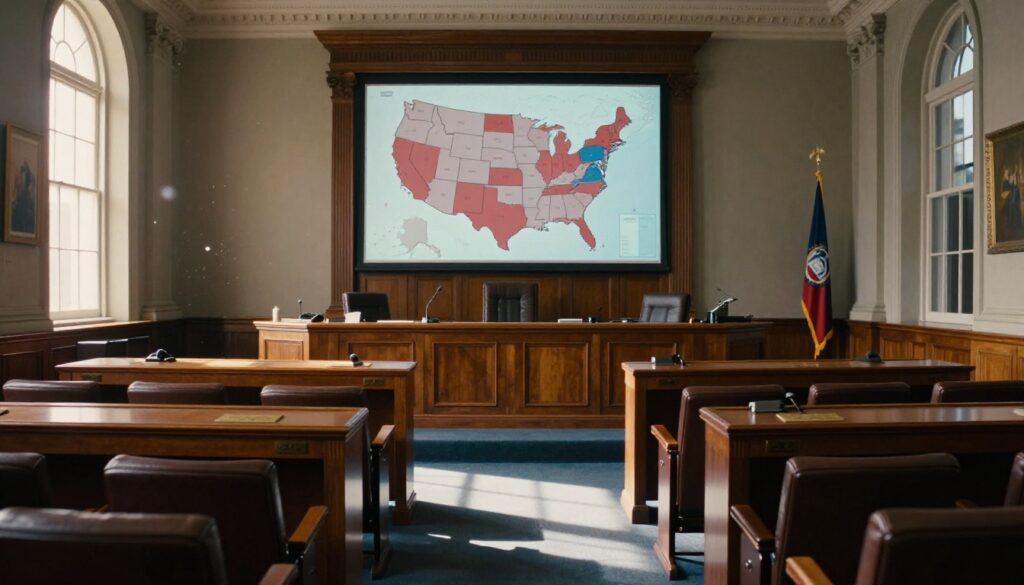
The most striking feature of the MAHA vaccine bills setbacks US states trend was its scale. Bills aligned with the movement were introduced in more than a dozen states, including Iowa, Tennessee, Idaho, South Dakota, Florida, and Louisiana.
Some examples included:
- Multiple proposals in Iowa aiming to reduce school immunization requirements
- Idaho follow-up legislation after earlier mandate reductions
- Bills in southern states that sought to expand exemption eligibility
Despite the volume, most proposals:
- Failed in committee
- Were delayed indefinitely
- Or never reached a final vote
The result was a clear pattern: legislative momentum existed on paper, but not in practice. The MAHA vaccine bills setbacks US states outcome showed that even coordinated political campaigns face real-world limits.
Why the Bills Struggled in State Legislatures
Several factors contributed to the MAHA vaccine bills setbacks US states outcome.
First, many lawmakers faced pressure from constituents who still support school vaccine requirements. Even in politically conservative regions, surveys consistently show strong public approval for immunization rules in schools.
Second, the complexity of public health risks made the issue difficult to simplify into a political slogan. Legislators had to weigh abstract “freedom” arguments against concrete risks like measles outbreaks in schools.
Finally, internal divisions within political parties also played a role. Some Republican lawmakers, despite supporting medical freedom broadly, hesitated to weaken protections they saw as essential for children’s safety.
Together, these dynamics slowed or stopped many proposals, contributing directly to the MAHA vaccine bills setbacks US states pattern.
Role of Medical and Public Health Organizations
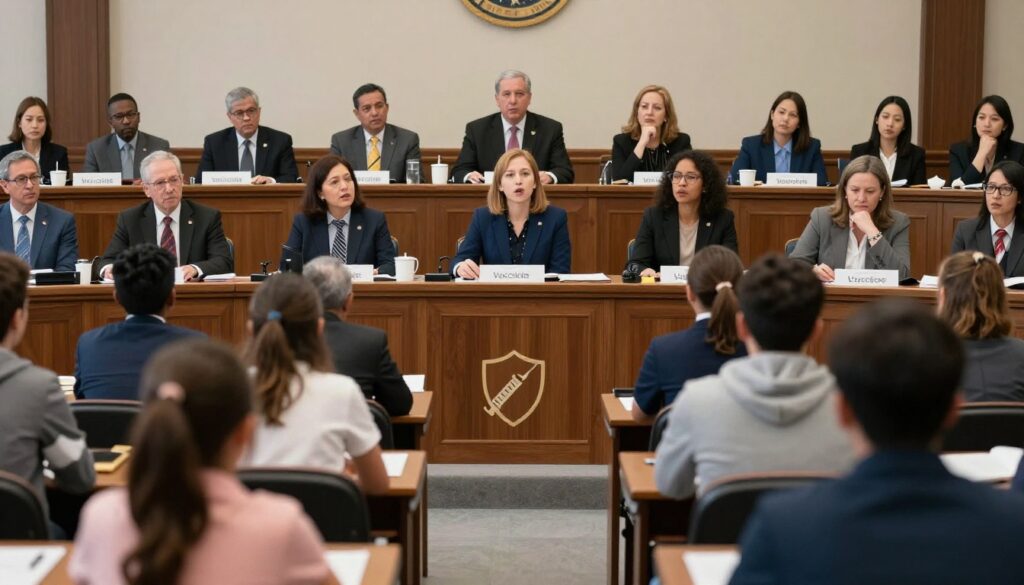
One of the most influential forces behind the MAHA vaccine bills setbacks US states outcome was organized opposition from health professionals.
Groups such as pediatric associations, infectious disease experts, and school health organizations coordinated responses that included:
- Legislative testimony
- Data-driven briefings
- Public awareness campaigns
They emphasized a simple point: school environments require high immunity levels to protect vulnerable children, including those undergoing cancer treatment or with immune disorders.
This consistent messaging helped lawmakers understand that vaccine policy is not just individual—it is collective.
Public Opinion and Voter Influence
Public opinion played a decisive role in the MAHA vaccine bills setbacks US states story.
Polling throughout 2026 showed:
- A bipartisan majority supports school vaccine requirements
- Most parents trust childhood vaccines as safe and effective
- Strong resistance to removing established immunization rules
This created a political reality check. Lawmakers recognized that supporting aggressive rollbacks could carry electoral consequences.
In many states, constituents directly contacted representatives, urging caution. That grassroots pressure reinforced the legislative hesitation seen in the MAHA vaccine bills setbacks US states outcome.
The Science Behind School Vaccine Requirements
To understand the MAHA vaccine bills setbacks US states issue fully, it helps to revisit why school mandates exist in the first place.
Schools are high-risk environments for contagious diseases because:
- Students are in close contact for long hours
- Viruses like measles spread before symptoms appear
- Ventilation and hygiene vary widely
For measles specifically, vaccination coverage must remain around 95% to prevent outbreaks. When rates fall below that threshold, community protection weakens quickly.
This scientific reality is a key reason why many lawmakers ultimately resisted changes, contributing to the broader MAHA vaccine bills setbacks US states outcome.
What These Setbacks Mean for Parents
For families, the MAHA vaccine bills setbacks US states developments bring both relief and ongoing uncertainty.
On one hand, existing school vaccine requirements remain largely intact across the country. That means stable expectations for school enrollment and public health protections.
On the other hand, the debate is far from over. Many advocacy groups plan to reintroduce similar bills in future sessions, meaning parents should stay informed.

Practical steps include:
- Checking state immunization requirements annually
- Consulting pediatricians for medical guidance
- Relying on verified health sources instead of social media claims
The MAHA vaccine bills setbacks US states situation may have slowed policy change, but it has not ended the conversation.
Future of Vaccine Policy in the US
Looking ahead, the MAHA vaccine bills setbacks US states trend suggests a divided but stable policy environment.
While aggressive rollbacks faced resistance, the volume of proposals indicates continued political interest. Future developments will likely depend on:
- Election cycles
- Public health trends
- Shifts in voter sentiment
It is possible that some states will revisit exemption rules, but widespread dismantling of school vaccine requirements appears unlikely in the near term.
The MAHA vaccine bills setbacks US states outcome shows that even controversial political movements must contend with scientific consensus and public opinion.











Post Comment