public health
anti-vaccine movement, fluoride debate, gmo fears, health literacy, health misinformation, Holistic Wellness, maha movement, Make America Healthy Again, online echo chambers, processed food, reddit health analysis, social media health trends, vaccine skepticism
Carolyn Stinnett
0 Comments
MAHA Health Movement Social Media: 7 Powerful Truths Shaping Culture
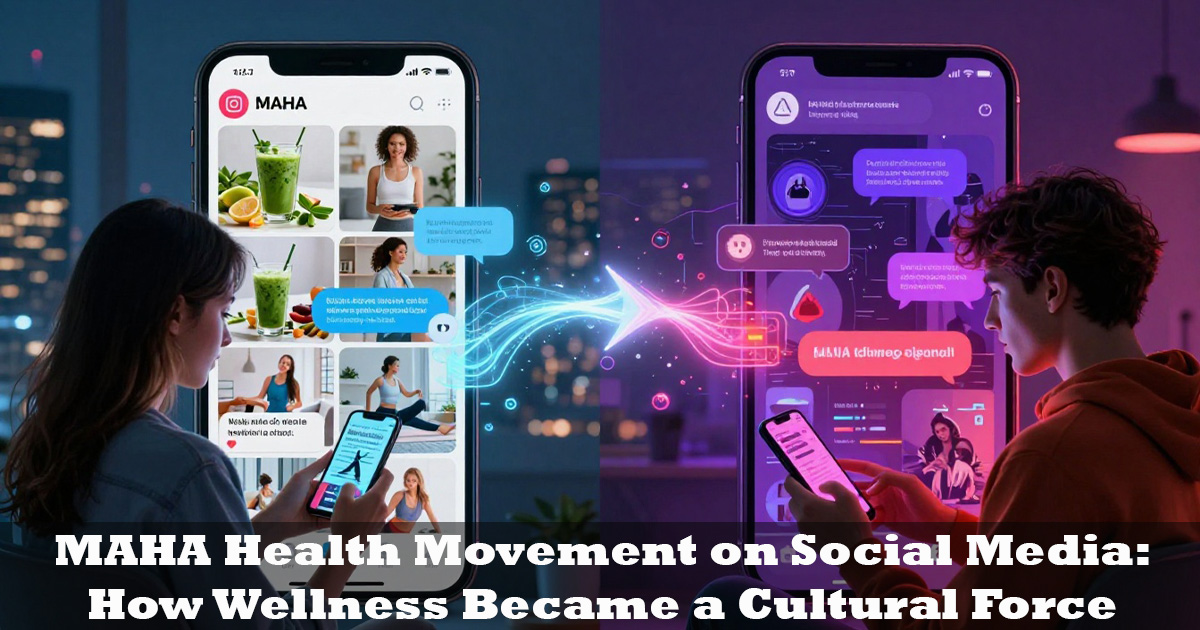
The MAHA health movement social media trend has become one of the most talked-about cultural shifts in online wellness spaces. At first glance, it looks like a simple push for healthier living—clean eating, natural remedies, and personal responsibility for health. But underneath that surface, it has grown into something much larger, more complex, and sometimes controversial.
On platforms like TikTok, Instagram, and Reddit, users are no longer just sharing fitness tips or diet hacks. Instead, entire communities are forming around distrust of mainstream medicine, skepticism toward public health systems, and a belief that “natural” automatically means “safe.” The MAHA health movement social media ecosystem now blends lifestyle inspiration with medical debate, personal stories, and, in some cases, misinformation that spreads faster than verified science.
Understanding this movement is not just about health—it’s about culture, psychology, and the way algorithms shape what we believe.

What Is the MAHA Health Movement Social Media Trend?
The MAHA health movement social media phenomenon is not a single organization or structured campaign. Instead, it is a loosely connected network of influencers, wellness creators, and online communities promoting the idea of “Make America Healthy Again.”
At its core, it encourages:
- Eating whole, unprocessed foods
- Reducing exposure to chemicals and toxins
- Questioning pharmaceutical influence
- Promoting natural lifestyles
On the surface, many of these ideas seem reasonable. After all, better diets and regular exercise are universally supported by health professionals. But the movement becomes complicated when lifestyle advice blends with unverified medical claims.
That’s where social media plays a powerful role.
How MAHA Health Movement Social Media Took Over Platforms
The rise of the MAHA health movement social media trend didn’t happen overnight. It spread gradually through short videos, emotional storytelling, and algorithm-driven recommendations.
Here’s how it typically unfolds:
- A user watches a video about “toxic foods”
- The algorithm recommends more related content
- They are shown videos questioning vaccines or tap water safety
- Eventually, entire feeds become centered on distrust of institutions
This is not accidental. Social media platforms are designed to keep users engaged, and emotionally charged content—especially fear-based health claims—performs extremely well.
Over time, users move from mild curiosity to stronger skepticism without always realizing it. The MAHA health movement social media ecosystem thrives on this gradual shift.
The Wellness Side of the Movement
Not everything in the MAHA health movement social media space is controversial. In fact, some of its most popular ideas are widely supported by medical professionals.
These include:
- Eating more fruits and vegetables
- Avoiding ultra-processed foods
- Prioritizing sleep and physical activity
- Spending less time sedentary
These habits are genuinely beneficial. Many doctors would agree that modern lifestyles rely too heavily on processed food and sedentary routines.
This is part of what makes the movement so appealing. It often begins with simple, positive lifestyle changes that feel empowering. People feel more in control of their health, which builds trust in the content they consume.
However, this positive foundation can sometimes act as a gateway to more extreme claims within the MAHA health movement social media space.
When Health Advice Turns Into Misinformation
The turning point in the MAHA health movement social media ecosystem often comes when general wellness advice merges with scientific claims that lack strong evidence.
Some recurring themes include:
- Vaccines being linked to chronic illness
- Tap water being labeled “toxic”
- Fear of environmental chemicals without context
- Suspicion toward hospitals and pharmaceuticals
The problem is not questioning systems—that is healthy. The issue is when claims are presented without peer-reviewed evidence or expert consensus.
For example:
- Vaccines undergo years of testing for safety and effectiveness
- Fluoride in drinking water is regulated and studied extensively
- Many “toxin” claims lack measurable scientific backing
Once misinformation enters the conversation, it often spreads faster than corrections. In the MAHA health movement social media environment, emotional stories tend to outweigh scientific explanations.
The Algorithm Effect: Why Extremes Spread Faster
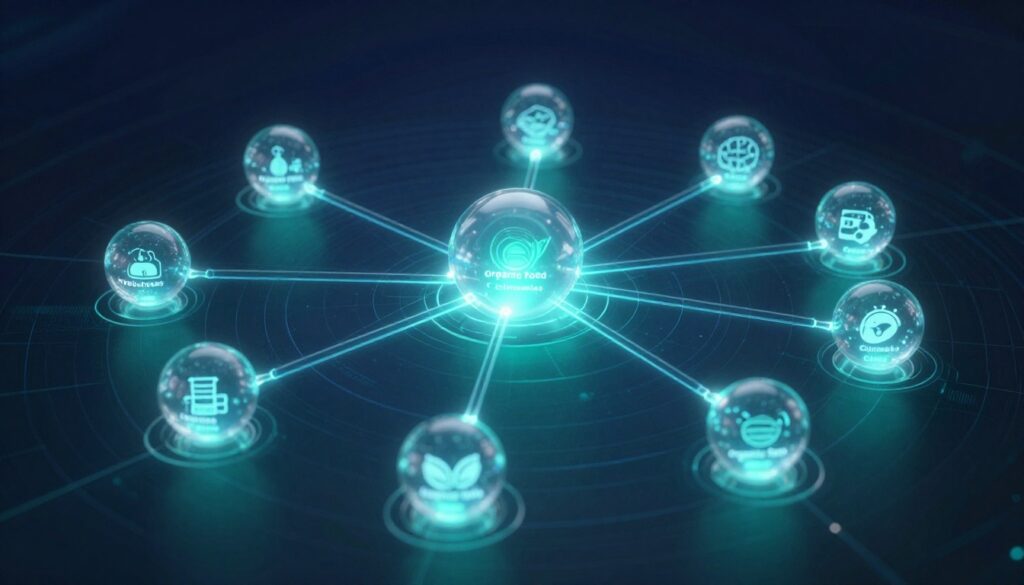
A major driver of the MAHA health movement social media expansion is algorithmic amplification.
Social platforms prioritize:
- Watch time
- Engagement (likes, comments, shares)
- Emotional reactions
Content that provokes fear, anger, or shock performs exceptionally well. As a result, users who engage with mild wellness content are often pushed toward more extreme material over time.
This creates a subtle progression:
- Fitness tips
- “Clean eating” advice
- “Hidden toxins” discussions
- Medical skepticism
The algorithm doesn’t intentionally promote misinformation—it simply promotes engagement. But the outcome can still lead users deeper into polarized health beliefs.
The Psychology Behind MAHA Beliefs Online
The MAHA health movement social media trend is not just technological—it is deeply psychological.
People are naturally drawn to:
- Simple explanations for complex problems
- Stories over statistics
- Personal experiences over abstract data
Health is also emotional. When someone feels unwell or anxious about modern life, they are more likely to trust content that offers control and clarity—even if it lacks scientific backing.
This is why personal testimonials are so powerful in MAHA spaces. A single emotional story can feel more convincing than dozens of clinical studies.
The movement thrives on this human tendency.
Real-World Impact on Health Decisions
The influence of the MAHA health movement social media ecosystem is not limited to online discussions. It increasingly affects real-world decisions.
Some observed effects include:
- Delayed medical treatment
- Reduced vaccine confidence in certain groups
- Increased reliance on unverified health supplements
- Growing distrust of healthcare professionals
At the same time, it has also encouraged positive behaviors like healthier eating and more physical activity. The impact is mixed, which makes the movement difficult to categorize as purely good or bad.
It exists in a gray zone where wellness and misinformation overlap.
How to Navigate MAHA Content Safely
Engaging with the MAHA health movement social media content requires balance and critical thinking.
Here are practical ways to approach it:
- Check if claims are backed by scientific studies
- Look for consensus among medical professionals
- Be cautious of content that relies only on fear or anecdotes
- Compare multiple reputable sources before believing bold claims
- Remember that “natural” does not always mean “safe”
Healthy skepticism is valuable. Blind acceptance is not.
The goal is not to reject all wellness content, but to separate helpful lifestyle advice from unsupported medical claims within the MAHA health movement social media space.










Post Comment