Next-Gen GLP-1 Drugs & Brain Cravings
The Science Behind Cravings and Addiction
addiction, alcohol use disorder, brain cravings, brain reward, brenipatide, clinical trials, cravings, dopamine and food, drugs, healthy habits, healthy lifestyle, metabolic health, metabolism health, neuroscience, obesity treatment, sleep health, stress management, substance use, weight loss medication, wellness
Carolyn Stinnett
0 Comments
Next-Gen GLP-1 Drugs & Brain Cravings
Next-Gen GLP-1 Drugs & Brain Cravings
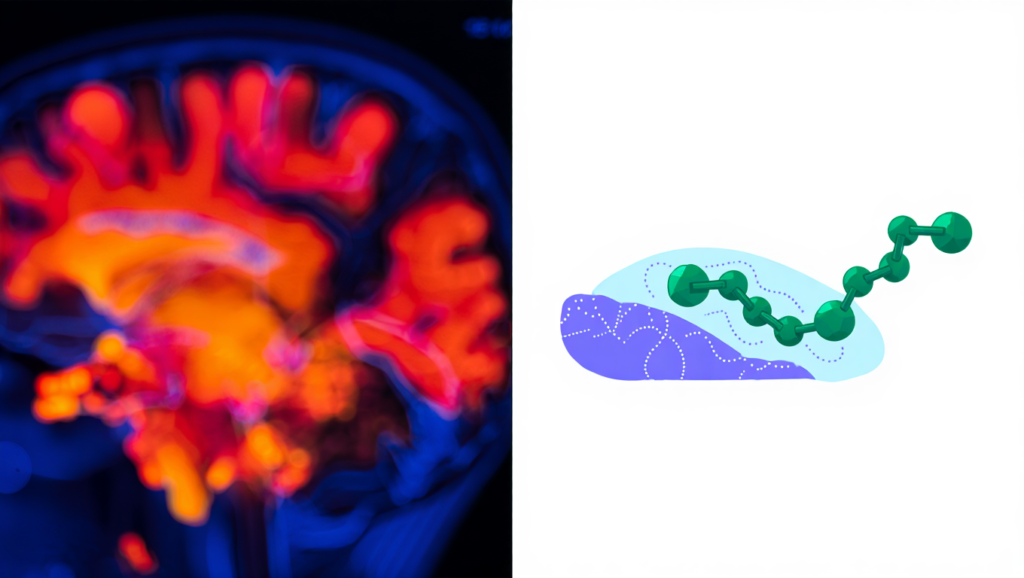
Next-Gen GLP-1 Drugs & Brain Cravings are becoming a major focus in medical research as scientists explore how these medications may help control appetite, food addiction, and reward-driven eating behaviors. You know the weight-loss drugs. Semaglutide, tirzepatide. But a newer set of molecules goes straight for the brain’s reward centers. Research funded by the NIH and published earlier this year shows oral GLP-1 drugs can now achieve deeper brain penetration, targeting the same circuits that drive cravings for food, alcohol, and nicotine. This isn’t just about shedding pounds anymore. It’s a potential shift in how we treat addiction.
I’ve seen plenty of patients over the years who struggle with cravings — whether for sugar, cigarettes, or alcohol. Standard advice never quite sticks. These next-gen meds might change that. Here is what the science says and what it could mean for you.
How These Drugs Reach the Brain
Older GLP-1 receptor agonists worked mainly on the gut and pancreas. They slowed digestion, boosted insulin, made you feel full. That’s all good. But brain penetration was limited. Molecules were too large or got broken down before crossing the blood-brain barrier.
Now researchers are engineering smaller molecules, including oral non-peptide drugs like orforglipron, that slip past that barrier more easily. According to a 2026 review in *The Lancet, these next-gen agents show greater brain penetration, acting directly on neurons in the hypothalamus and reward-related areas. So they influence not just appetite but the entire motivational system behind cravings.
Consider what a UCSF neuroscientist, Khaled Moussawi, found in rat studies. GLP-1 drugs can blunt the dopamine surge triggered by cues associated with opioids or sugar. If a cue loses its power, the craving loses its edge. That’s the promise of better brain penetration — quieting the brain’s “must-have” signal.
The Science Behind Cravings and Addiction
Why do some people keep drinking or using drugs even when they want to stop? It’s not willpower. It’s brain wiring. The same reward pathways that light up for a slice of pizza light up for a drink or a hit. Research on GLP-1 receptor agonists and cravings shows these drugs can dial down that response.
In a 2025 animal study from UCSF, rats exposed to opioids learned to associate a sound with a sugar reward, another sound with an opioid reward. Both sounds triggered dopamine surges. When the rats got a GLP-1 drug, those surges muted. The drug didn’t erase the memory — it just made the sound less exciting.
This is where addiction treatment with GLP-1 drugs comes in. Earlier generation drugs like exenatide and dulaglutide showed modest effects on alcohol and nicotine use. The new drugs, with better brain penetration, may be far more effective. In one study, once-weekly exenatide led to a substantial increase in smoking abstinence rates. That’s a big deal for addiction treatment.
What About Alcohol
Alcohol use disorder affects about 28 million Americans. Current treatments work for some, but many relapse. The next-gen GLP-1 drugs may offer a new option. This is now a hot research area.
Heavy drinkers in a semaglutide trial didn’t just report drinking less — their peak breath alcohol levels also came in lower than those on placebo, suggesting a measurable physiological shift. Another study with dulaglutide found a significant reduction in alcohol consumption. These results are preliminary, but they suggest a real treatment pathway ahead.
Not every study agrees. Some found no effect on heavy drinking days except in people with a BMI over 30. Still, Moussawi is leading two trials testing a specific drug called brenipatide for alcohol and opioid use disorders. If approved, it would be the first medication targeting the core brain mechanism of craving. That’s promising.
Brenipatide and Ongoing Studies
Brenipatide is an oral GLP-1 drug designed to penetrate the brain’s reward centers. The clinical trials at UCSF are testing it for alcohol use disorder and as an add-on for opioid use disorder. Early animal data showed it reduces heroin intake and dampens craving responses.
What makes these trials interesting is the focus on shared brain circuitry across addictions. Food, alcohol, opioids — same neural pathways. If brenipatide works for one, it may work for others.
I read about the brenipatide trials and thought: this is exactly what we’ve been missing. A tool that targets the craving itself, not just the consequences. That changes the game.
A Common Misconception: “These Are Just Weight Loss Drugs”
Plenty of people assume GLP-1 receptor agonists are only for obesity or diabetes. That’s outdated. The research shows they affect the brain’s reward system broadly. The same drug that helps someone lose 15% of their body weight might also help them quit smoking or cut back on alcohol.
That misconception hurts patients. I’ve had people say, “I don’t need to lose weight, so why would I take this?” But if you struggle with cravings — whether for substances or compulsive behaviors — the science suggests these drugs could help.
Dr. Diana Thiara, head of the UCSF Weight Management Program, notes that animal studies show GLP-1 increases synaptic plasticity — the brain’s ability to rewire itself. That’s not about weight. That’s about retraining how your brain responds to triggers. The next generation of drugs may amplify this neuroprotective effect, but we need more brenipatide trials to confirm.
What to Actually Do if You’re Curious
Next-Gen GLP-1 Drugs & Brain Cravings
If you’re thinking about whether GLP-1 addiction treatment might help you or someone you know, start with a conversation. These drugs aren’t over-the-counter. You need a prescription and medical supervision because they have real side effects: nausea, vomiting, rare risks like pancreatitis or optic nerve issues.
For alcohol use disorder, the evidence is building but not yet FDA-approved. If you have heavy drinking patterns, ask your doctor about ongoing clinical trials. Many academic centers are recruiting for brenipatide and other studies.
For everyday cravings — overeating or smoking — existing GLP-1 drugs like semaglutide and tirzepatide may already help. But keep expectations realistic. Not everyone responds the same. Weight regain is common if you stop the drug. Similarly, if you use these drugs as a tool, they work best alongside counseling and lifestyle changes.
Don’t wait for a miracle pill. These meds are powerful, but they turn down the volume on cravings so you can make healthier choices. That’s progress.
And one more thing: the conversation about addiction is changing. For decades we’ve treated substance use disorders with behavioral therapy and a handful of medications. Now, with better brain penetration and drugs like brenipatide, we may finally have a way to address the root of craving itself. Talk to your doctor. Stay curious. The science is moving fast. More answers are coming.
Disclaimer: This article is for educational purposes only and does not constitute medical advice. Always consult a qualified healthcare provider regarding your individual health needs.
You can also check our Another page about











Post Comment