Health Tips
10000 steps myth, 8500 steps, daily step count, european association for the study of obesity, exercise for weight management, physical activity guidelines, post-diet weight regain, prevent weight regain, step counter, steps per day weight loss, walking and health, walking benefits, walking for weight loss, weight maintenance
JyotiSE
0 Comments
How many steps are needed per day to lose

How Many Steps Per Day to Lose Weight?
The number is lower than you’ve heard. Research from the European Association for the Study of Obesity puts the target at roughly 8,500 steps a day for people trying to keep lost weight off. Not 10,000. That famous round number was never based on science, and clinging to it has probably done more harm than good.
The origin of 10,000 steps
The 10,000-step target didn’t come from a medical study. It came from a 1965 Japanese marketing campaign for a pedometer called the Manpo-kei, which translates to “10,000 steps meter.” Catchy number. It stuck. Over decades it got treated as clinical gospel, even though no rigorous research supported that specific threshold at the time.
Walking more is almost always better than walking less. Nobody disputes that. But treating 10,000 as a magic cutoff has discouraged a lot of people who couldn’t quite reach it and convinced them that falling short was the same as doing nothing. It isn’t.
What the research found
The study, presented through the European Association for the Study of Obesity, looked at people who had already lost weight and asked a practical question: how many daily steps helped them avoid gaining it back? The answer was about 8,500.
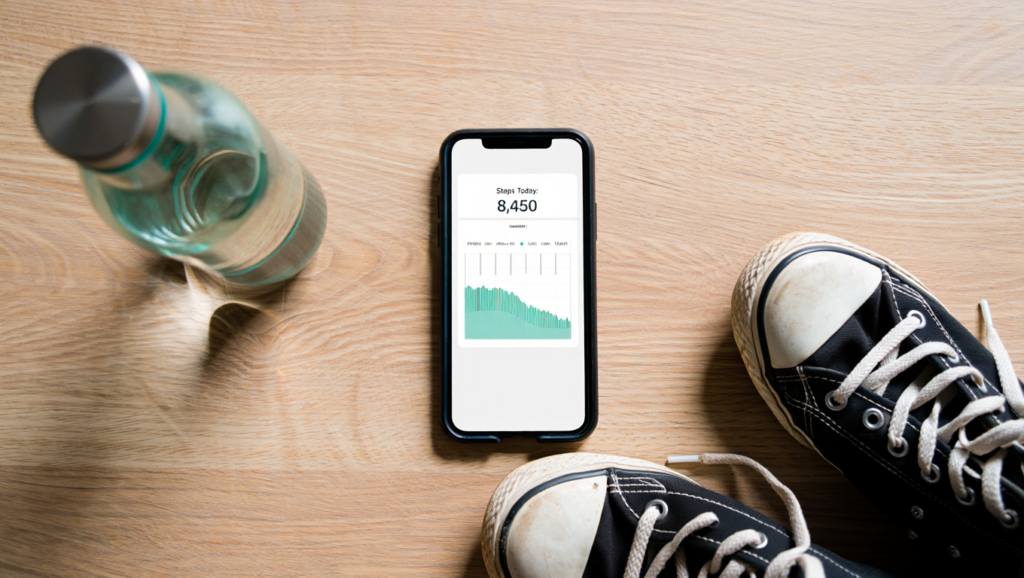
That number matters for a couple of reasons. It’s achievable. For most adults, 8,500 steps works out to roughly 60 to 75 minutes of walking spread across a whole day, not in a single block. Your morning walk to the car, your evening loop around the neighborhood. It all counts. The research also focused specifically on weight maintenance rather than initial loss, which is where most people struggle. According to CDC data, most people who lose significant weight regain much of it within two to five years. Anything that shifts those odds deserves attention.
One honest caveat, though: walking alone won’t produce dramatic weight loss without dietary changes. A 170-pound person walking at a moderate pace burns roughly 100 calories per mile. So 8,500 steps (about four miles) might burn 300 to 400 extra calories in a day. That adds up over weeks but it will not outrun a bad diet.
Diminishing returns beyond 8,000 steps
There’s a persistent idea that doubling your step count doubles your results. It doesn’t. Large reviews, including analyses published in JAMA Internal Medicine, show that the health benefits of walking climb steeply up to about 7,000 to 8,000 steps and then level off. You still get something from going higher. The returns just shrink.
This is why the 10,000 target has been counterproductive. It pushed people past the point of meaningful additional benefit while making those below it feel like failures. A sustainable 8,000 beats a sporadic 14,000 every time.

Practical advice for weight maintenance
- Start where you are: Check your phone’s step counter for a baseline week. Most sedentary adults average 3,000 to 4,000 steps without trying. Add about 1,000 per week until you’re in the 8,500 range.
- Spread it out: Three ten-minute walks through the day work just as well as one thirty-minute block. Walking after meals is especially useful; evidence shows it blunts post-meal blood sugar spikes.
- Pair steps with diet: Walking supports maintenance. It does not replace calorie awareness. Think of it as the insurance policy, not the whole plan.
- Track without obsessing: A phone or basic fitness band is plenty. Hit 7,000 one day instead of 8,500? Still a good day. There’s no cliff edge at any single number.
- Don’t skip strength training: Walking is great for your cardiovascular system, but preserving muscle during and after weight loss requires resistance work. Even bodyweight exercises twice a week.
Why walking persists when other plans don’t
Gym memberships and structured workout programs mostly fizzle within a few months. Walking is different. It requires no equipment and no scheduling contortions. It fits into ordinary life in a way a 6 a.m. boot camp simply doesn’t for most people.
Research published in the British Journal of Sports Medicine supports this. Walking-based programs have among the highest long-term adherence rates of any physical activity studied. People keep doing it. The exercise that works is the one you don’t quit, which is boring advice but true.
Here’s what remains unresolved: the 8,500-step finding comes from observational data, not a randomized controlled trial. We don’t know whether hitting that number causes better weight maintenance or whether people who walk that much also tend to eat better and sleep more. That distinction matters, and nobody has run the trial yet. For now, 8,500 is the best benchmark we have — grounded in real data rather than a decades-old pedometer ad, which is more than you can say for the number most people are still chasing.
*This article is for informational purposes only and does not constitute medical advice. Consult your physician before starting or changing an exercise or diet program.*














Post Comment