drugs
Medical Conditions
clinical trials ptsd, compass pathways, esketamine ketamine spravato, executive order psychedelics, fda psychedelic approval, johns hopkins psilocybin, lykos therapeutics maps, mdma assisted therapy, mental health policy, psilocybin depression, psychedelic medicine, ptsd veterans treatment, treatment resistant depression, va mental health
JyotiSE
0 Comments
A New Frontier for PTSD: Can an Executive Order Finally Mainstream Psychedelic Medicine?

Earlier this year, the President signed an executive order accelerating federal research into psychedelic compounds like MDMA and psilocybin for mental health treatment. The order specifically directs the VA, NIH, and FDA to move faster on studies involving PTSD and treatment-resistant depression. As a clinician who has treated plenty of patients bounced between four or five antidepressants without real relief, I’ve been watching this field closely for years. The order matters. The ceiling on what it can actually change, at least in the short term, matters too.

What the executive order actually does?
Executive orders can’t reschedule drugs on their own. That’s a separate process involving the DEA and FDA, and under normal conditions it takes years. What this order does is meaningful, just bounded.
It directs federal agencies to streamline research protocols for Schedule I psychedelic compounds. It expands funding for VA-led trials. It tells the FDA to prioritize review of applications involving PTSD and severe depression. It removes layers of bureaucratic redundancy that had stretched trial startup times from months into years.
In plain terms: more studies, faster. It does not mean your primary care doctor can prescribe psilocybin next month. It means a veteran with treatment-resistant PTSD may have a realistic path into a clinical trial within a year, rather than three.
That’s still a significant shift for a patient who has waited this long.
Why veterans are at the center?
Veterans with PTSD are the population where psychedelic medicine has the most compelling case, clinically and politically.
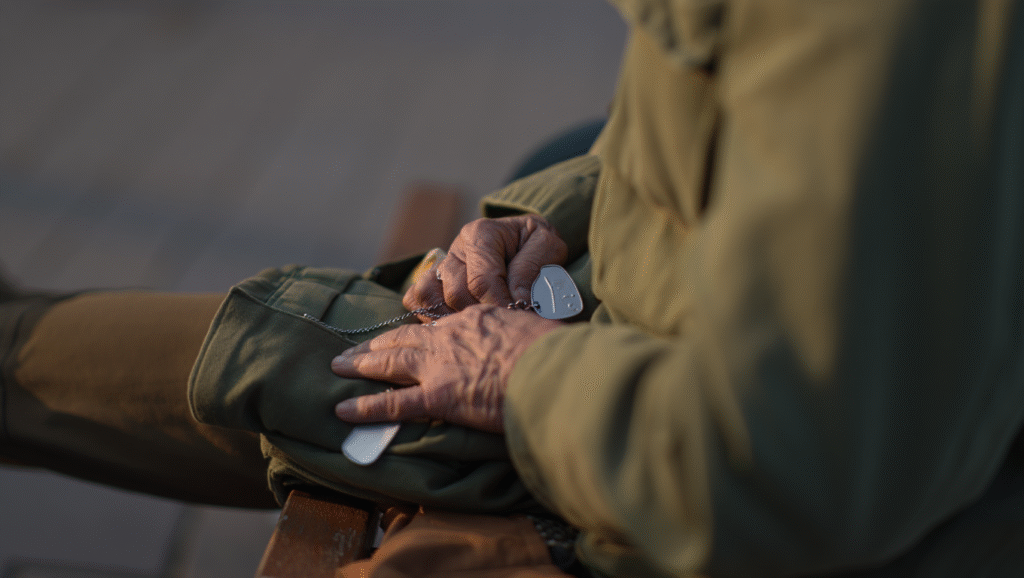
PTSD rates among combat veterans run somewhere between 10 and 30 percent, depending on the era of service and how carefully you look for it. Standard first-line treatments, meaning cognitive processing therapy, prolonged exposure therapy, and SSRIs, work for a lot of patients. They don’t work for all of them. Clinically, I’ve seen patients who have tried six medications and years of therapy still waking at 3 a.m. convinced they’re back downrange.
I had one patient, a former Army medic, who described his daily existence as “functional but not actually living.” He had tried almost everything conventional. His curiosity about MDMA-assisted therapy wasn’t fringe wellness interest. It was the quiet desperation of someone who had run out of approved options.
Phase 3 trials from MAPS, now Lykos Therapeutics, reported that roughly two-thirds of participants no longer met PTSD diagnostic criteria after three MDMA-assisted therapy sessions paired with intensive psychotherapy. Those results caught serious attention, though the FDA declined initial approval in 2024, requesting additional data on blinding and long-term outcomes. That decision disappointed the field but did not end the program.
The science the order is betting on

Psychedelic therapy is not the same as taking a drug. That distinction gets lost in most coverage.
The protocols tested in major trials involve two or three dosed sessions, with extensive psychotherapy before, during, and after. A trained team sits with the patient for 6 to 8 hours per session. The drug opens a window of psychological flexibility. The therapy is what turns that window into durable change.
Psilocybin for treatment-resistant depression has shown encouraging results in smaller trials, including work out of Johns Hopkins and Compass Pathways. Remission rates at several months have sometimes beaten established antidepressants, though sample sizes remain modest.
Ketamine is already on the market for treatment-resistant depression under its FDA-approved nasal form, esketamine. It isn’t classically psychedelic, but it opened the door institutionally. The executive order builds on that precedent.
The myth: “This just means legal recreational drugs”
No. And the misread of this policy deserves correcting directly.
Nothing in the order decriminalizes psilocybin, MDMA, or any other psychedelic compound for general use. Possession outside of federally approved research remains a federal crime. The order speaks to clinical trials and medical approvals, not personal access.
Recreational use carries real risks that clinical protocols are designed to manage. Cardiovascular strain during MDMA use is a concern for anyone with uncontrolled hypertension or heart disease. Severe psychological distress, sometimes called a bad trip, can trigger lasting anxiety in people with untreated psychotic disorders or strong family history of the same. These aren’t scare stories. They’re reasons trained medical supervision changes outcomes.
A self-guided mushroom session at a festival is not the same intervention as a monitored clinical protocol. Both involve the same molecule. Only one has evidence behind it.
What patients should actually do right now
If you or someone you love is living with treatment-resistant PTSD or depression, here’s an honest roadmap.
- Exhaust the evidence-based options you haven’t tried yet. Prolonged exposure therapy, cognitive processing therapy, EMDR, esketamine, and rTMS all have stronger current evidence than psychedelic therapy for most patients.
- Search ClinicalTrials.gov with terms like “MDMA PTSD” or “psilocybin depression.” Study sites are concentrated in major academic centers, including several VA facilities.
- If you’re a veteran, talk with your VA mental health provider specifically about psychedelic research participation. Some centers are actively recruiting.
- Be wary of any clinic offering psilocybin or MDMA treatment outside a registered trial. These operations exist. They are not legal, and they are not safe.
- Keep your primary care doctor informed about any treatment you pursue. Drug interactions with SSRIs and MAOIs are real and occasionally dangerous.
This field is moving, but it is not finished moving.
What to watch over the next two years
A realistic timeline for MDMA-assisted therapy reaching FDA approval is probably late 2026 through 2028, depending on new trial data. Psilocybin for treatment-resistant depression may follow by 2028 to 2030. Neither will be cheap. Neither will be widely available at first. Both will require insurance reform alongside approval to actually reach patients.
Psychedelic medicine is not magic. It is not a replacement for good therapy. It may still be the first meaningful new tool in serious mental illness treatment in over twenty years.
For a veteran staring down a third decade of nightmares, that’s worth a careful hope.
Note: This article is for general information only and is not a substitute for personalized medical advice from your physician or mental health provider.












Post Comment