Multivitamins and "Biological Age"
What biological age actually means
aging, anti-aging supplements, biological age, cosmos trial, daily multivitamin, dunedinpace, epigenetic aging test, epigenetic clock, healthy aging, longevity medicine, multivitamins, nutrition science, slow aging, vitamin research
Carolyn Stinnett
0 Comments
7 Proven Multivitamins and Biological Age Benefits for Healthy Aging

Multivitamins and Multivitamins and “Biological Age”: What Research Says About Aging, Cellular Health, and Longevity
Multivitamins and Biological Age: What Science Reveals About Cellular Aging and Longevity
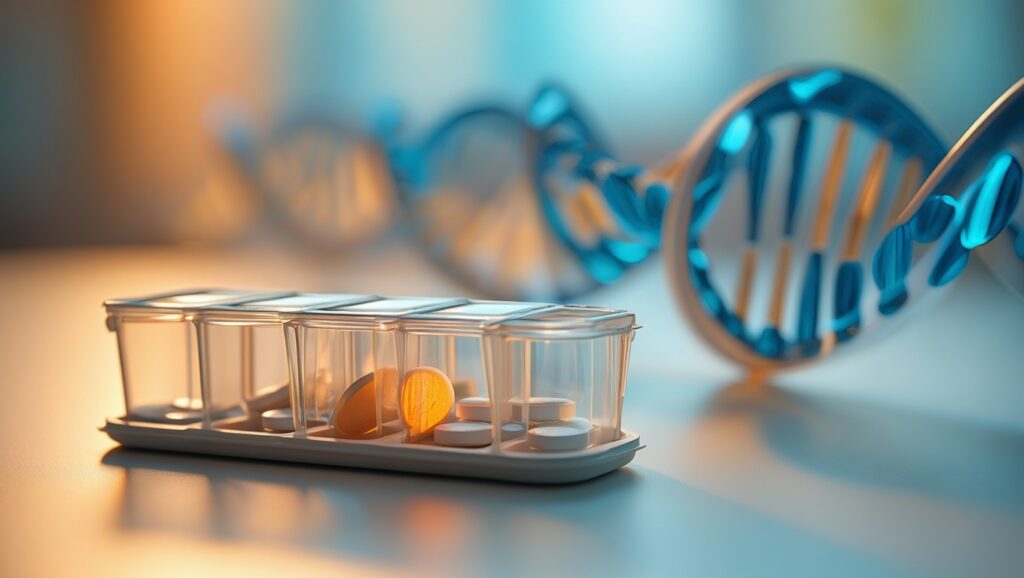
For years, the conversation around supplements has swung between two extremes. Some experts claimed multivitamins were essential for everyone, while others dismissed them as nothing more than “expensive urine.” But new research is changing that discussion in a serious way. Recent findings on Multivitamins and Biological Age suggest that a simple daily supplement may influence how quickly the body ages at a cellular level.
The emerging science behind Multivitamins and Biological Age is no longer based only on opinions or wellness marketing. Researchers are now studying biological aging using advanced molecular tools that can measure the actual speed of aging inside the body.
What Biological Age Really Means
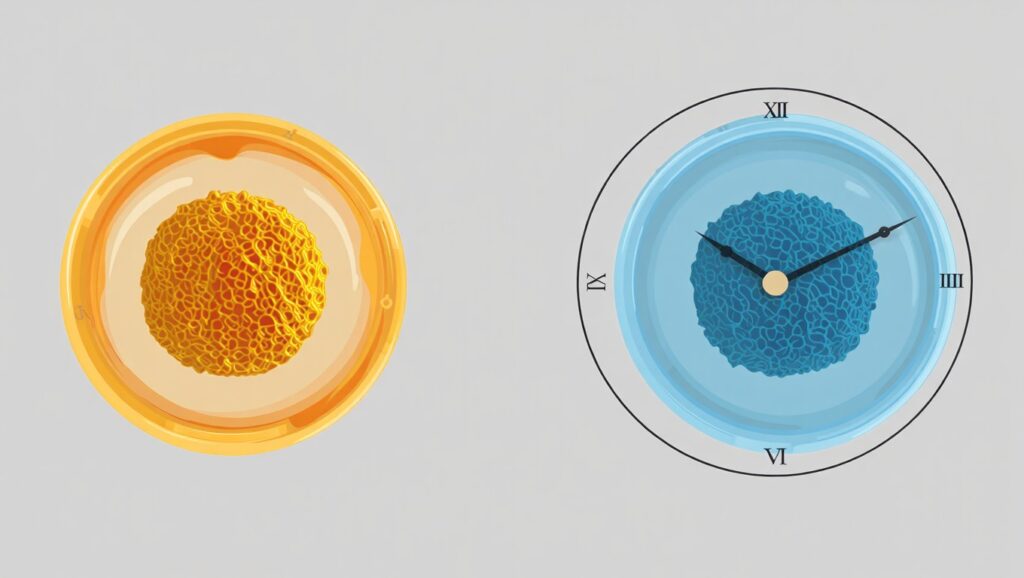
Chronological age is simple — it’s the number of birthdays you’ve had. Biological age is different. It reflects how much stress, inflammation, and cellular wear your body has accumulated over time. Two people can both be 70 years old, but one may have the biological profile of someone much younger.
Scientists studying Multivitamins and Biological Age often use epigenetic clocks, which examine chemical markers attached to DNA. One of the most advanced tools is the DunedinPACE clock. Instead of only estimating age, this clock measures how rapidly a person is aging from year to year.
That distinction matters because it allows researchers to evaluate whether interventions — including nutrition and supplementation — can actually slow the aging process.
The COSMOS Trial and Why It Matters
One of the biggest breakthroughs in Multivitamins and Biological Age research came from the COSMOS trial. More than 2,000 adults aged 60 and older participated in the randomized study. Participants received either a standard multivitamin or a placebo over several years.
Researchers later analyzed stored blood samples using the DunedinPACE biological aging clock. The findings were surprising: individuals taking the multivitamin appeared to age nearly two years slower biologically compared to the placebo group.
This may sound modest, but in aging science, even a small reduction in aging speed is significant. The results suggest that consistent nutritional support may help protect cellular function over time.
Why Researchers Are Taking This Seriously
For decades, studies on vitamins were difficult to interpret because healthier people naturally tend to take supplements. They also usually exercise more, eat healthier foods, and avoid smoking. That made it hard to determine whether multivitamins themselves were responsible for better health outcomes.
What makes the latest Multivitamins and Biological Age research more convincing is the use of a randomized controlled trial combined with biological aging biomarkers. Instead of relying only on self-reported health improvements, scientists measured molecular changes associated with aging itself.
That approach provides stronger scientific credibility than many earlier supplement studies.
Which Nutrients May Be Helping?
Researchers still do not know exactly which nutrients are driving the observed effects on biological aging. However, experts suspect several key nutrients may play important roles, including:
- B vitamins involved in cellular energy production
- Vitamin D for immune and metabolic regulation
- Antioxidants that help reduce oxidative stress
- Minerals supporting mitochondrial and cardiovascular health
Importantly, the study did not use an exotic or ultra-expensive formula. Participants took a standard over-the-counter multivitamin similar to products available in most pharmacies.
This detail is important in discussions about Multivitamins and Biological Age because it suggests that basic nutritional consistency — not megadoses — may be what matters most.
What Doctors Want Patients to Understand
Scientists say a daily multivitamin may help slow aging
A multivitamin is not a shortcut to longevity. It cannot undo smoking, poor sleep, inactivity, chronic stress, or unhealthy eating habits. Aging is influenced by many interconnected systems throughout the body.
However, for older adults who may have reduced nutrient absorption or inconsistent diets, a daily multivitamin could act as a nutritional safety net. That possibility is one reason interest in Multivitamins and Biological Age has grown so rapidly among researchers focused on preventive medicine and healthy aging.
Most physicians would still prioritize:
- Sleep quality
- Regular exercise
- Cardiovascular health
- Blood sugar control
- Whole-food nutrition
Supplements should support those habits — not replace them.

What the Research Still Doesn’t Prove
Although the findings are promising, there are limitations. Most participants in the study were white, older, and relatively healthy. Researchers also followed them for only a few years rather than decades.
That means scientists still do not know whether slower biological aging directly translates into:
- Lower dementia risk
- Fewer heart attacks
- Reduced cancer rates
- Longer lifespan
The DunedinPACE clock is a sophisticated biomarker, but it remains a proxy for aging rather than a direct measurement of disease outcomes.
Even so, the growing body of evidence around Multivitamins and Biological Age is difficult to ignore.
Final Thoughts on Multivitamins and Biological Age
The latest research suggests that multivitamins may offer more than simple nutrient insurance. They could modestly slow the biological aging process at the cellular level, especially in older adults.
The effect is not dramatic, and no supplement should be viewed as a miracle anti-aging solution. But even small improvements in healthy aging can become meaningful when applied across large populations over time.
As scientists continue studying Multivitamins and Biological Age, future research may reveal whether these molecular changes eventually lead to lower disease risk and longer healthspan. If that happens, the role of multivitamins in preventive healthcare could shift from controversial to widely recommended for healthy aging support.











Post Comment