Best Diet Plan for Weight Loss
10000 steps myth, 8500 steps, daily step count, european association for the study of obesity, exercise for weight management, physical activity guidelines, post-diet weight regain, prevent weight regain, step counter, steps per day weight loss, walking and health, walking benefits, walking for weight loss, weight maintenance
Carolyn Stinnett
0 Comments
How Many Steps Per Day to Lose Weight? 8,500 Steps Is the Ultimate Power Target for Sustainable Fat Loss

If you’ve been trying to figure out how many steps per day to lose weight, you’ve probably heard the famous 10,000-step rule. But recent research shows that the ideal number may actually be lower — and far more achievable for most people.
According to findings presented by the European Association for the Study of Obesity, around 8,500 steps per day may be enough to help people maintain weight loss and improve long-term health. That’s important because many people give up on fitness goals when they can’t consistently hit 10,000 steps every day.
The truth is simple: walking remains one of the easiest, safest, and most sustainable ways to burn calories, improve heart health, and support long-term weight management. Understanding how many steps per day to lose weight can help you create a realistic fitness routine without feeling overwhelmed.
Table of Contents
- The Origin of the 10,000-Step Myth
- How Many Steps Per Day to Lose Weight According to Research
- Why 8,500 Steps Works for Most People
- Calories Burned While Walking
- Benefits of Walking Beyond Weight Loss
- Why More Steps Aren’t Always Better
- Best Walking Strategies for Fat Loss
- Diet and Walking: The Perfect Combination
- Strength Training Still Matters
- Common Mistakes People Make
- Final Thoughts
The Origin of the 10,000-Step Myth
If you’re wondering how many steps per day to lose weight. The idea that everyone needs exactly 10,000 steps daily did not come from medical science. It actually started in Japan during the 1960s when a company released a pedometer called the “Manpo-kei,” meaning “10,000 steps meter.”
The number sounded catchy and easy to market. Over time, people accepted it as a scientific fitness standard even though there was no strong research supporting it.
This misunderstanding created unnecessary pressure. Many people believed that if they didn’t reach 10,000 steps, their workout “didn’t count.” In reality, research now shows that understanding how many steps per day to lose weight is more about consistency than chasing a perfect number.
How Many Steps Per Day to Lose Weight According to Research
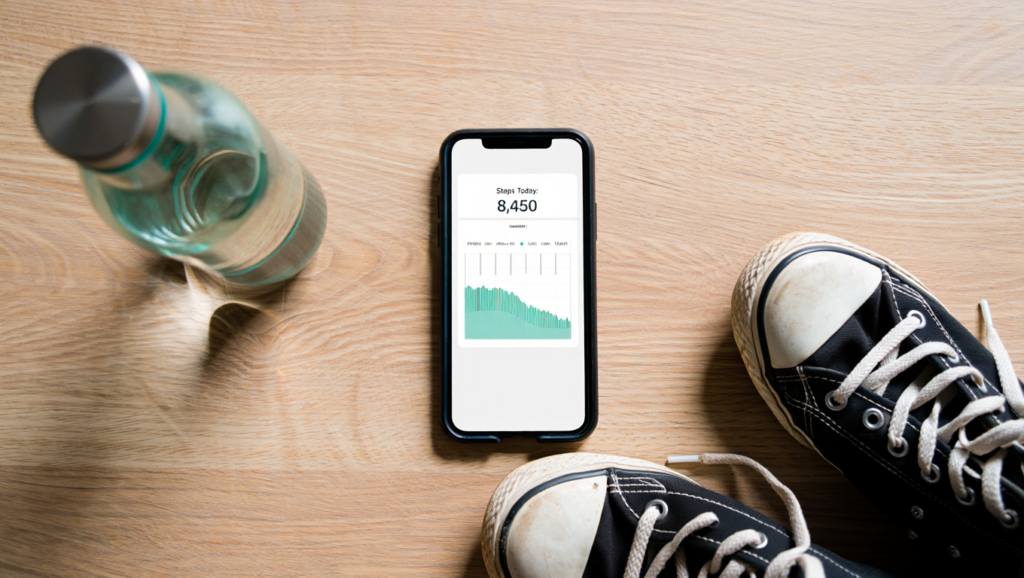
Recent studies suggest that 8,000 to 8,500 steps daily is a realistic and effective target for most adults trying to maintain or lose weight.
When experts studied people who successfully kept weight off after losing it, they found that walking around 8,500 steps daily was common among successful participants.
So if you’re wondering how many steps per day to lose weight, the answer is likely lower than you expected.
For many adults, 8,500 steps equals roughly:
- 4 miles of walking
- 60–75 minutes of movement throughout the day
- Around 300–400 calories burned depending on body weight and pace
The key is consistency. Walking regularly every day creates a calorie deficit over time, which supports healthy fat loss.
Why 8,500 Steps Works for Most People
One major reason 8,500 steps works well is sustainability.
Extreme fitness plans often fail because they are difficult to maintain long term. Walking, however, naturally fits into everyday life. You can:
- Walk after meals
- Take stairs instead of elevators
- Walk during phone calls
- Park farther away
- Take short evening walks
When people search for how many steps per day to lose weight, they often expect an intense answer. But sustainable fat loss usually comes from small habits repeated consistently.
Walking also has a lower injury risk compared to high-intensity workouts, making it ideal for beginners, older adults, and overweight individuals.
Calories Burned While Walking
Understanding calorie burn helps explain how many steps per day to lose weight effectively.
A person weighing around 170 pounds typically burns:
| Steps | Approximate Calories Burned |
|---|---|
| 3,000 steps | 100–120 calories |
| 5,000 steps | 180–220 calories |
| 8,500 steps | 300–400 calories |
| 10,000 steps | 400–500 calories |
Over one week, 8,500 daily steps could burn approximately 2,100–2,800 calories. Since one pound of fat equals roughly 3,500 calories, walking contributes significantly to gradual weight loss.
However, walking alone is not enough if your diet consistently exceeds your calorie needs.

Benefits of Walking Beyond Weight Loss
While many people focus on how many steps per day to lose weight, walking offers many additional health benefits.
1. Improves Heart Health
Walking supports healthy blood circulation and reduces the risk of cardiovascular disease.
2. Reduces Stress and Anxiety
Daily walking can lower cortisol levels and improve mood naturally.
3. Improves Blood Sugar Control
Short walks after meals help reduce blood sugar spikes.
4. Better Sleep Quality
People who walk regularly often experience improved sleep patterns.
5. Supports Joint Health
Unlike intense exercise, walking is gentle on the joints while still keeping the body active.
Why More Steps Aren’t Always Better
Many people believe that if 8,500 steps are good, then 15,000 must be even better. But research suggests benefits begin leveling off after around 7,500–8,500 steps.
That means the biggest health improvements happen before extremely high step counts.
Understanding how many steps per day to lose weight should focus on realistic goals rather than perfection.
A sustainable 8,500 steps every day is far more effective than occasionally reaching 15,000 and then quitting completely.
Best Walking Strategies for Fat Loss
Walk After Meals
Walking for 10–15 minutes after eating can improve digestion and blood sugar control.
Increase Steps Gradually
If you currently walk 3,000 steps daily, don’t jump immediately to 8,500. Increase by 1,000 steps each week.
Use a Fitness Tracker
Tracking helps maintain motivation and accountability.
Combine Walking with Inclines
Walking uphill or on a treadmill incline burns more calories.
Stay Consistent
Consistency matters more than intensity when learning how many steps per day to lose weight successfully.
Diet and Walking: The Perfect Combination
Walking supports fat loss, but nutrition remains essential.
You cannot consistently outwalk a poor diet. Even if you hit 10,000 steps daily, excessive calorie intake can prevent weight loss.
To maximize results:
- Eat more protein
- Reduce sugary drinks
- Prioritize whole foods
- Control portion sizes
- Drink enough water
The best strategy combines healthy eating with understanding how many steps per day to lose weight realistically.
Strength Training Still Matters
Walking is excellent for calorie burning and cardiovascular fitness, but preserving muscle mass requires resistance training.
Adding strength workouts 2–3 times weekly can:
- Improve metabolism
- Maintain muscle during weight loss
- Improve body composition
- Increase strength and mobility
Simple bodyweight exercises like squats, push-ups, and lunges can complement your walking routine effectively.
Common Mistakes People Make
Obsessing Over Exact Numbers
Missing your target by a few hundred steps is not failure.
Ignoring Diet
Walking helps, but nutrition determines long-term success.
Doing Too Much Too Soon
Gradual progress prevents burnout and injuries.
Only Walking Once Daily
Short walks spread throughout the day can be equally effective.
Comparing Yourself to Others
Everyone’s calorie burn, metabolism, and fitness level differ.
Final Thoughts
So, how many steps per day to lose weight?
Current evidence suggests that around 8,500 daily steps is an effective and sustainable target for most adults. It’s realistic, achievable, and supported by modern research rather than outdated marketing myths.
More importantly, walking works because people actually stick with it. Unlike extreme workout programs, walking fits naturally into daily life and supports long-term consistency.
If your goal is sustainable fat loss and better health, focus on:
- Walking consistently
- Improving your nutrition
- Adding strength training
- Building habits you can maintain long term
You do not need perfection. You simply need consistency.
Explore for more – About : LifeNurt — Wellness Tips and Expert Insights












Post Comment