Cardiology and Stroke Research
amgen recall 2026, class ii drug recall, corlanor discontinuation, corlanor ivabradine recall 2026, corlanor lot numbers recall, corlanor recall, corlanor recall 2026, corlanor recall guide, heart failure medication recalled, heart medication recall, how to check corlanor lot numbers, is corlanor safe, ivabradine recall, what is corlanor recall
Carolyn Stinnett
0 Comments
Corlanor Recall: 7 Critical Facts Every Heart Patient Should Know
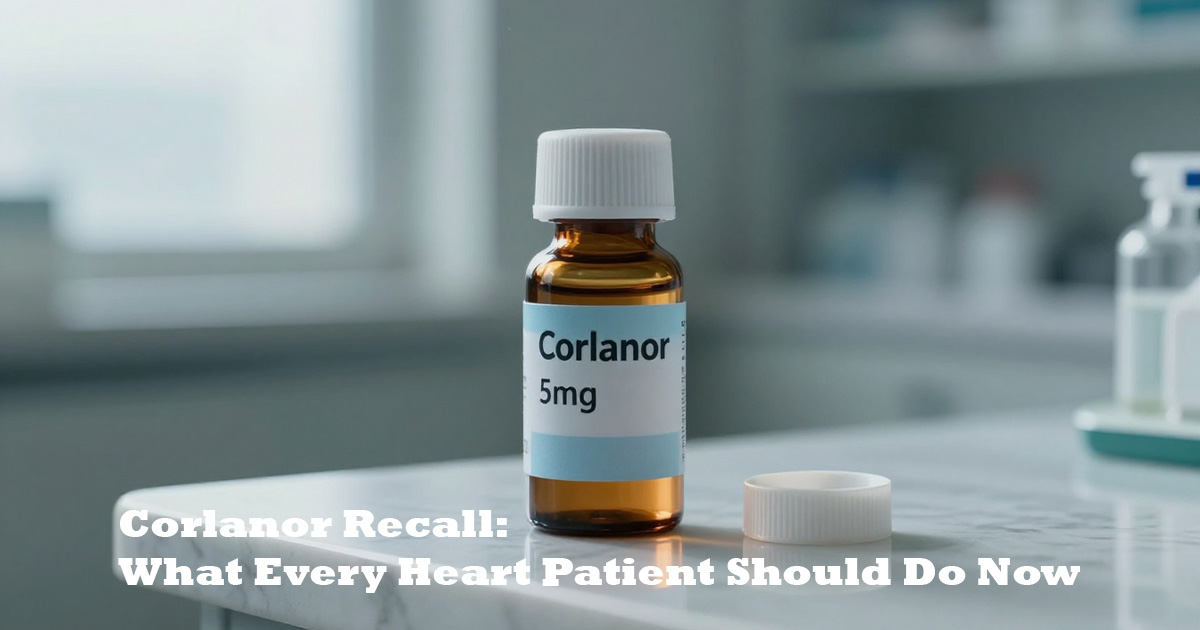
Corlanor Recall: What Heart Patients Should Do Right Now
The Corlanor Recall has become an important topic for thousands of people living with chronic heart failure across the United States. Hearing that a medication you rely on has been recalled can be unsettling, especially when it plays a key role in managing your heart condition.
Fortunately, health experts emphasize that this recall does not mean patients should immediately stop taking their medication. In fact, stopping Corlanor without medical guidance could pose a greater health risk than the issue that prompted the recall.
Understanding why the recall happened, how to determine whether your medication is affected, and what steps to take can help you make informed decisions while protecting your heart health.
What Is the Corlanor Recall?
The Corlanor Recall involves selected lots of Corlanor (ivabradine) tablets after routine quality inspections identified an unexpected foreign substance on the surface of a limited number of tablets.
The manufacturer voluntarily recalled affected products as a precautionary measure. The U.S. Food and Drug Administration (FDA) later classified the action as a Class II recall, indicating that the probability of serious health consequences is considered low.
Although the issue sounds alarming, the contamination was reported to be located on the tablet coating rather than inside the medication itself.
Why Was Corlanor Recalled?
Surface Contamination Identified
Routine manufacturing inspections discovered foreign material on the coating of certain Corlanor tablets.
While the contamination appears limited, pharmaceutical manufacturers are required to maintain strict quality standards. Even small quality concerns can trigger nationwide recalls to protect patients.
The recall affects both:
- Corlanor 5 mg tablets
- Corlanor 7.5 mg tablets
Several lot numbers distributed throughout the United States have been included.
What Is a Class II Recall?
Understanding the FDA’s recall classifications can reduce unnecessary worry.
A Class II recall means a product may cause temporary or medically reversible health effects, while the likelihood of serious injury remains remote.
This differs significantly from a Class I recall, which involves products capable of causing severe injury or death.
In other words, the recall represents a precautionary safety action rather than evidence that the medication is highly dangerous.
How Corlanor Works for Heart Failure
A Different Type of Heart Medication
Unlike many heart failure medications that lower blood pressure or remove excess fluid, Corlanor works differently.
Its active ingredient, ivabradine, specifically slows the heart rate by acting on the heart’s natural pacemaker, known as the sinus node.
For eligible patients with chronic heart failure, reducing heart rate can help:
- Lower the risk of hospitalization
- Improve heart efficiency
- Reduce strain on the heart
- Support long-term heart failure management
Because of these benefits, many patients depend on Corlanor as part of their overall treatment plan.
What the Corlanor Recall Means for Patients
Do Not Stop Taking Corlanor Without Medical Advice
One of the biggest concerns surrounding the Corlanor Recall is whether patients should stop taking their medication immediately.
The answer is generally no.
Abruptly discontinuing ivabradine may allow the heart rate to rise rapidly, potentially worsening heart failure symptoms or increasing the risk of hospitalization.
Healthcare providers generally recommend continuing the medication unless your doctor or pharmacist specifically instructs otherwise.
If your tablets are part of the recall, your healthcare team can safely arrange an appropriate replacement or alternative treatment.
How to Check Whether Your Medication Is Affected
Checking your prescription bottle only takes a few minutes.
Follow these steps:
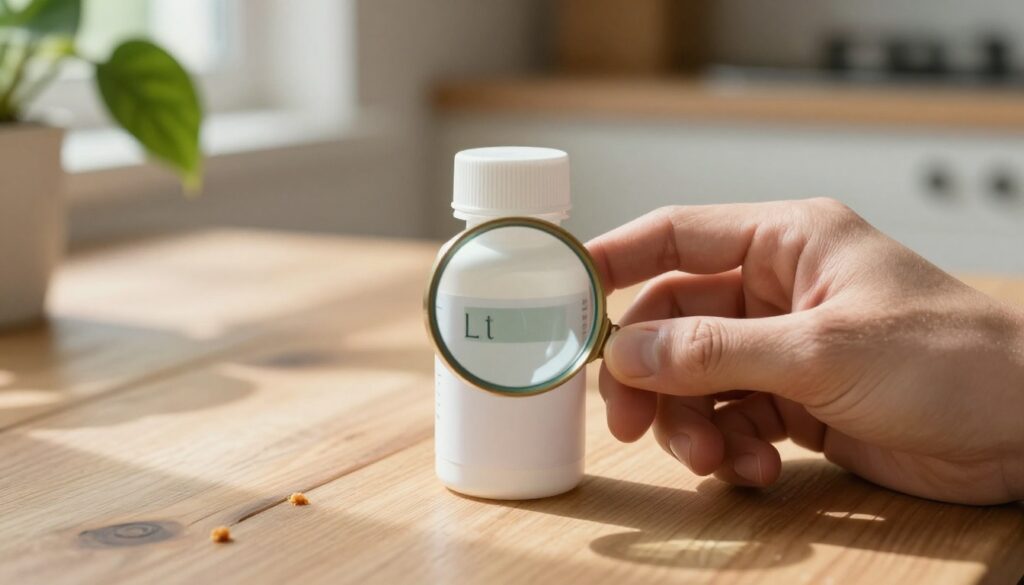
1. Locate the Lot Number
Look for the lot number printed on your prescription bottle, usually near the expiration date.
2. Verify the Information
Compare your lot number with the FDA recall notice or ask your pharmacist to confirm whether your medication is included.
3. Contact Your Pharmacist
If your medication matches a recalled lot, contact your pharmacy promptly.
They can explain available replacement options and guide you through the next steps.
4. Speak With Your Healthcare Provider
Never make medication changes without discussing them with the healthcare professional managing your heart condition.

What Happens If Your Medication Is Included?
If your Corlanor is part of the recall, don’t panic.
Instead, follow these practical steps.
Continue Taking It Unless Told Otherwise
Stopping treatment suddenly can create greater health risks than the quality issue identified during the recall.
Contact Your Pharmacy
Your pharmacist can:
- Verify your lot number
- Discuss replacement availability
- Coordinate with your physician if necessary
Discuss Alternative Treatments
If replacement Corlanor tablets are unavailable, your healthcare provider may recommend another treatment approach based on your medical history.
Every patient’s situation is different, so individualized medical advice is essential.
Why Acting Quickly Matters
Although the FDA considers the health risk relatively low, responding promptly helps avoid treatment interruptions.
The manufacturer has also discontinued production of branded Corlanor, meaning available supplies may become limited in some areas.
Checking your medication now can prevent unnecessary stress later.
Practical Tips During the Corlanor Recall
Here are several simple steps to stay prepared:
- Keep your prescription bottle until your pharmacist reviews it.
- Never throw away recalled medication until instructed.
- Continue taking doses exactly as prescribed.
- Watch for updates from your pharmacy.
- Schedule follow-up appointments if your medication changes.
- Keep an updated list of all medications you take.
- Report unusual side effects to your healthcare provider promptly.
These small actions can help ensure your treatment remains safe and uninterrupted.
Frequently Asked Questions About the Corlanor Recall
Is every bottle of Corlanor recalled?
No.
Only specific lot numbers have been included in the recall.
Should I stop taking Corlanor immediately?
No.
Do not stop taking Corlanor unless your healthcare provider instructs you to do so.
Is the recall life-threatening?
The FDA classified it as a Class II recall, meaning the chance of serious health consequences is considered low.
Can I receive a replacement?
In many cases, your pharmacist can help identify replacement options or coordinate with your healthcare provider.
The Corlanor Recall has understandably raised concerns among patients living with chronic heart failure. However, the recall should not be a reason to panic or stop treatment without professional guidance.
Instead, take a calm and informed approach. Check your medication’s lot number, contact your pharmacist if you have questions, and continue following your prescribed treatment plan until your healthcare provider recommends any changes.
By staying informed and acting promptly, you can protect your heart health while ensuring your medication remains both safe and effective.













Post Comment