#CancerResearch
50s health check, bowel cancer early detection, bowel cancer myth, bowel cancer prevention, bowel cancer screening, bowel cancer screening 2026, bowel cancer screening age 50, faecal immunochemical test explained, fit test bowel cancer, home bowel cancer test guide, how does bowel cancer screening work, nhs cancer screening uptake, what is fit test, when to start bowel cancer screening
Carolyn Stinnett
0 Comments
Bowel Cancer Screening: 5 Powerful Reasons to Take the Test Today
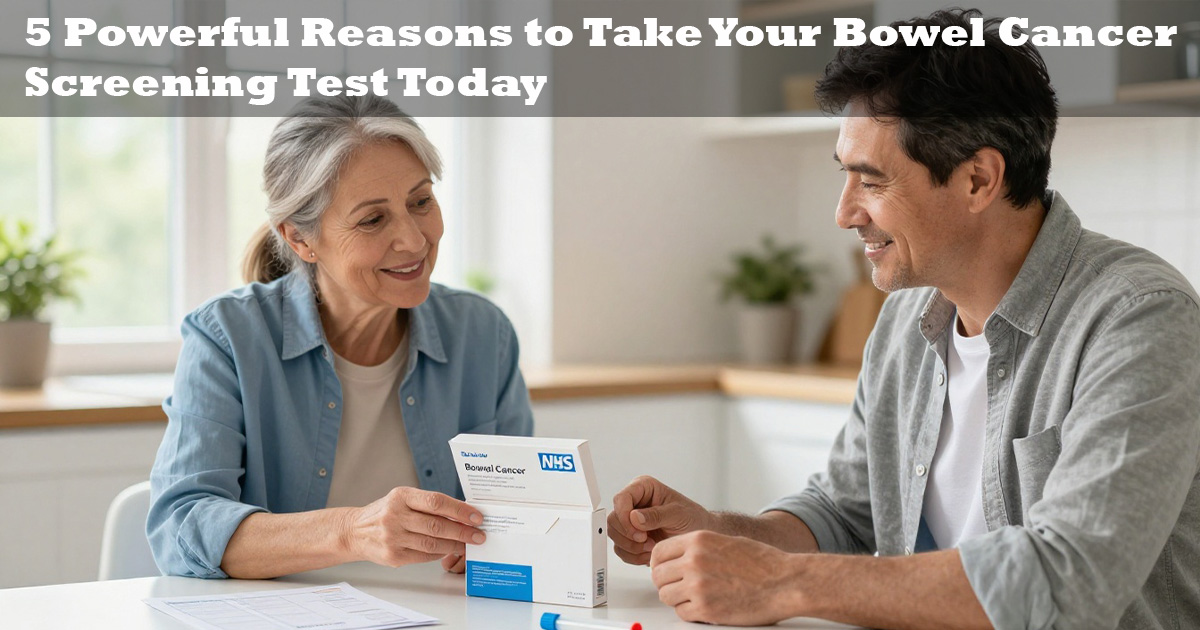
Bowel Cancer Screening is one of the simplest health checks you can do, yet thousands of people ignore it every year. The test arrives through the post, takes only a few minutes to complete at home, and has the potential to detect bowel cancer before symptoms even begin.
Despite these benefits, new NHS figures reveal a worrying trend. Only 56% of 54-year-olds completed their free at-home bowel cancer screening test last year. That’s significantly lower than the participation rate among people in their 60s and early 70s. The decline is concerning because bowel cancer is often highly treatable when detected early.
Many people assume they don’t need the test because they feel healthy. Others put it aside because life gets busy or because they find the idea uncomfortable. Unfortunately, delaying or ignoring the screening can mean missing the opportunity to identify early warning signs before they develop into something far more serious.
If you’ve ever wondered whether the test is worth doing, this guide explains why it matters, why so many people avoid it, and why taking just a few minutes today could make a life-changing difference tomorrow.
Why Bowel Cancer Screening Matters
Most people expect serious illnesses to come with obvious warning signs. Bowel cancer often doesn’t.
In its earliest stages, bowel cancer can develop silently without causing pain, bleeding, or noticeable digestive problems. That’s exactly why Bowel Cancer Screening is so important. Instead of waiting for symptoms to appear, the screening looks for tiny traces of blood in your stool that are invisible to the naked eye.
The NHS uses the Faecal Immunochemical Test (FIT), a simple home test that checks for hidden blood. If blood is detected above a certain level, you’ll usually be offered further tests, such as a colonoscopy, to find the cause.
Importantly, a positive screening result does not automatically mean you have cancer. Many positive results are caused by harmless conditions such as haemorrhoids or small polyps. In some cases, doctors remove polyps before they become cancerous, preventing the disease altogether.
That’s what makes bowel cancer screening different from many other health checks. It doesn’t just help detect cancer early—it can also help stop cancer from developing.
The Alarming Decline in Screening Rates
Recent NHS data has highlighted a growing concern. Overall participation in the bowel cancer screening programme has fallen from 67.6% to 65.2% in just one year.
The biggest drop is among people in their early to mid-50s.
While nearly three-quarters of adults aged 74 complete their screening, only around 56% of 54-year-olds return their test kits. Considering that approximately 8.7 million free FIT kits are sent out each year, millions are left unused.
Healthcare professionals find this especially frustrating because the programme identifies around 100 bowel cancers every week, many of them at an early stage when treatment is most successful.
Lower participation doesn’t simply affect statistics. It means more cancers are likely to be diagnosed later, when treatment becomes more complex and survival rates are lower.
5 Reasons People in Their 50s Skip Bowel Cancer Screening
“I Feel Fine, So I Don’t Need It”
This is the most common reason people ignore their screening kit.
Feeling healthy doesn’t necessarily mean everything is normal inside the body. Bowel cancer can grow slowly over several years without causing any noticeable symptoms.
Small growths known as polyps can gradually develop into cancer if left untreated. During this early period, people often continue living completely normal lives without realising anything is wrong.
The FIT test is designed specifically for this silent stage. It can identify microscopic blood that isn’t visible, allowing doctors to investigate long before symptoms appear.
Waiting until you experience pain, persistent bleeding, or changes in bowel habits may mean the disease has already progressed.
The purpose of Bowel Cancer Screening is prevention—not reacting after problems begin.
The Test Seems Embarrassing
Let’s be honest. Few people enjoy the idea of handling a stool sample.
However, many people are surprised by how quick and straightforward the process actually is.
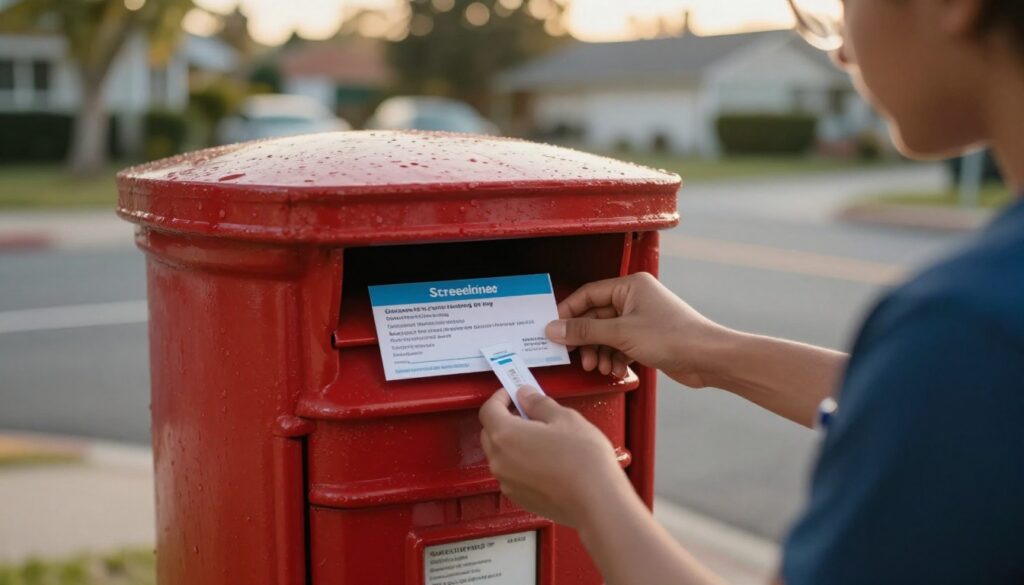
The FIT kit doesn’t require collecting large samples or creating a mess. Using the supplied collection stick, you simply take a tiny sample from the surface of your stool, seal it in the provided tube, and place it into the prepaid return envelope.
Most people finish the entire process in less than ten minutes.
Interestingly, many who delayed completing the test later admit they worried far more than necessary.
A few minutes of mild discomfort is a small price to pay for the reassurance the screening provides.
“Cancer Won’t Happen to Me”
Optimism is part of human nature.
Many people genuinely believe serious illnesses affect someone else.
Unfortunately, bowel cancer doesn’t discriminate.
Age remains one of the biggest risk factors, which is why the NHS automatically invites eligible adults for regular screening.
Experts estimate that improving participation in Bowel Cancer Screening could help save thousands of lives over the coming years through earlier diagnosis and treatment.
No one expects to receive a cancer diagnosis. That’s precisely why preventive screening exists—to find problems before they become life-threatening.
Ignoring the test doesn’t reduce your risk. It simply reduces the chance of detecting problems early.
Life Gets Busy, and the Kit Gets Forgotten
For many people in their 50s, everyday life is a juggling act. Between work deadlines, family responsibilities, caring for ageing parents, and managing household tasks, it’s easy for an envelope from the NHS to disappear under a pile of unopened post.
Unfortunately, postponing the test often turns into forgetting about it altogether.
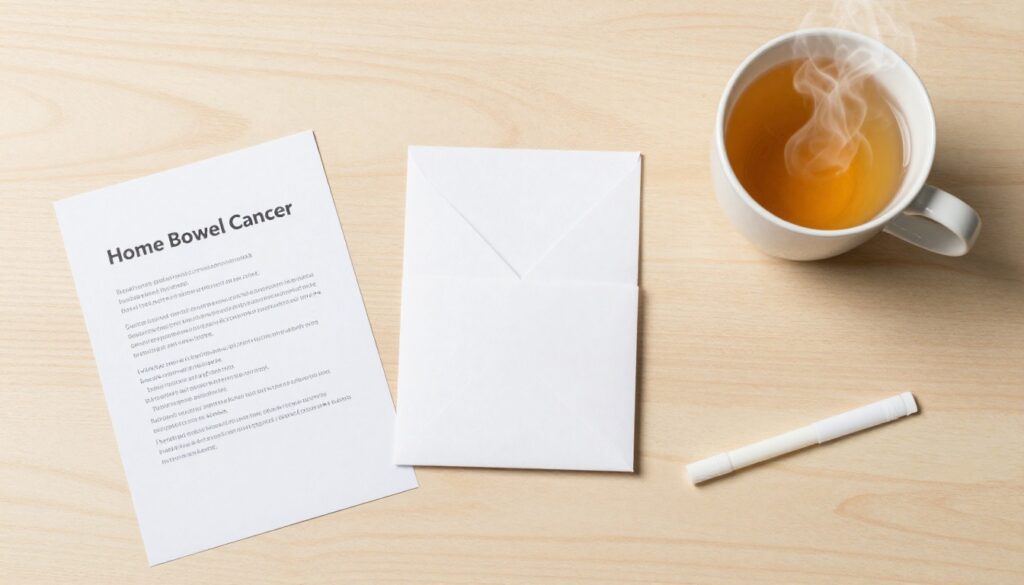
A simple habit can make all the difference. When your Bowel Cancer Screening kit arrives, open it the same day. Read the instructions, place the kit somewhere you’ll see it—such as in the bathroom—and aim to complete it within the next 48 hours.
The test takes only a few minutes, but those few minutes could help detect a problem long before it becomes serious.
Remember, the NHS sends screening kits at regular intervals because ongoing screening is one of the most effective ways to spot changes early. Missing one round doesn’t mean you’ve lost your chance forever, but staying consistent gives you the best protection.
Fear of the Results
Fear is another common reason people avoid screening.
Some worry that a positive result automatically means they have cancer. Others feel anxious about what further testing might involve. These concerns are understandable, but they shouldn’t prevent anyone from taking the test.
A positive FIT result simply means that small amounts of blood were detected in your sample. There are many possible causes, including haemorrhoids, inflammation, or non-cancerous polyps.
If additional testing is recommended, a colonoscopy allows doctors to examine the bowel more closely. During the procedure, they can often remove polyps immediately, reducing the risk of cancer developing in the future.
Finding a problem early usually leads to simpler treatment and better outcomes. Avoiding the test doesn’t remove the risk—it only delays finding answers.
What Happens After You Return Your FIT Kit?
Many people hesitate because they’re unsure what happens once the sample is posted.
The process is straightforward:
Your Sample Is Analysed
A laboratory checks the sample for tiny traces of blood that can’t be seen with the naked eye.
You’ll Receive Your Results
Most people receive their results by post within a couple of weeks.
For many, the result is negative, meaning no significant blood was detected. You’ll simply be invited to take part in the next routine screening when you’re due.
If Further Tests Are Needed
If blood is detected above the screening threshold, you’ll usually be invited for a colonoscopy at your local hospital.
Although this can sound worrying, it’s important to remember that many colonoscopies do not result in a cancer diagnosis. They often identify harmless conditions or precancerous polyps that can be removed before they cause problems.
Simple Ways to Remember Your Screening
Even people with the best intentions sometimes forget to complete the test. These practical tips can help:
Open the Kit Immediately
Don’t leave the envelope unopened. Reading the instructions straight away makes it much more likely you’ll complete the test.
Set a Reminder
Use your phone or calendar to schedule a reminder for the next day.
Keep the Kit Somewhere Visible
Place it in the bathroom so you remember to complete it during your normal routine.
Replace a Lost Kit
If your test kit is misplaced or damaged, contact the NHS screening programme to request a replacement. It’s quick, easy, and ensures you don’t miss your screening cycle.
Why Early Detection Can Save Lives
Early detection remains one of the biggest advantages of Bowel Cancer Screening.
When bowel cancer is found before it spreads, treatment is often less invasive and significantly more successful. In some cases, doctors can prevent cancer entirely by removing precancerous polyps during a colonoscopy.
By contrast, cancers discovered only after symptoms develop may require more extensive surgery, chemotherapy, or other treatments.
The difference often comes down to one simple decision: completing a free home screening test when it arrives.
Taking a few minutes today could provide reassurance, allow for early treatment if needed, or even prevent cancer from developing in the first place.












Post Comment