#InfectiousDisease
cyclospora parasite, cyclosporiasis, cyclosporiasis 2026, cyclosporiasis explained, cyclosporiasis guide, cyclosporiasis myth, cyclosporiasis outbreak 2026, cyclosporiasis prevention, cyclosporiasis symptoms and treatment, cyclosporiasis treatment, explosive diarrhea causes, foodborne illness 2026, intestinal parasite symptoms, what is cyclosporiasis parasite
Carolyn Stinnett
0 Comments
Cyclospora Symptoms: 10 Warning Signs You Should Never Ignore
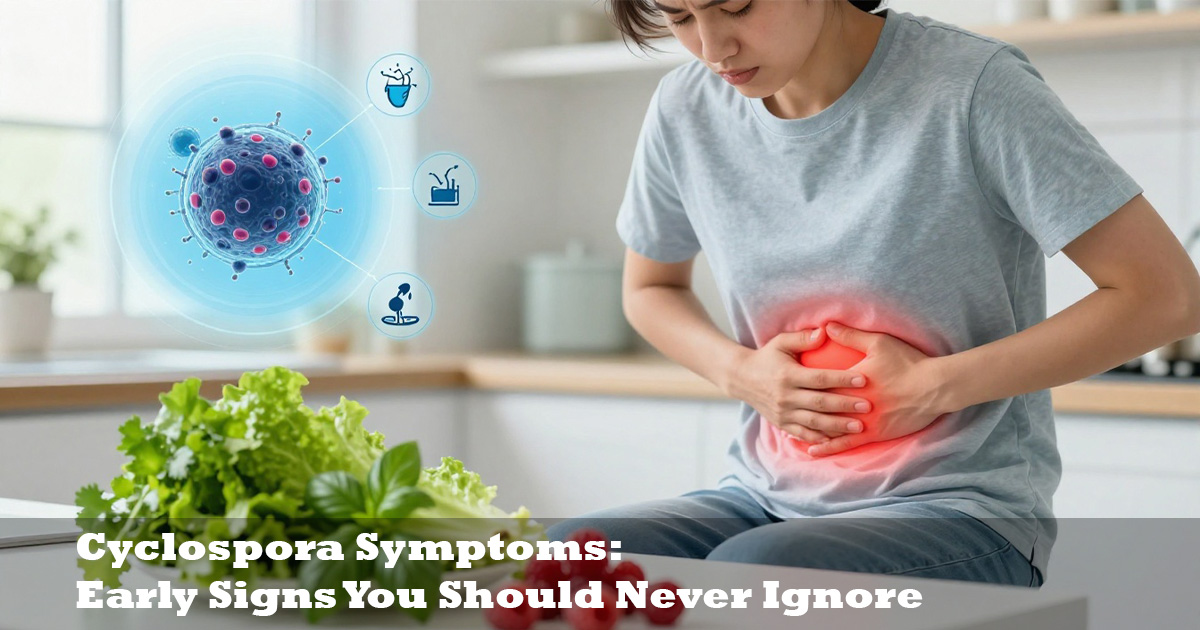
Foodborne illnesses are more common than many people realize, but some infections receive far less attention than others. One of these is cyclosporiasis, an intestinal infection caused by the microscopic parasite Cyclospora cayetanensis. While it isn’t as well known as salmonella or E. coli, it can lead to weeks of uncomfortable digestive problems if left untreated.
Understanding Cyclospora Symptoms can help you recognize the infection early, seek medical care, and recover more quickly. In this guide, you’ll learn what causes the illness, how it spreads, the most common symptoms, available treatments, and practical ways to reduce your risk.
What Is Cyclospora?
Cyclospora is a microscopic parasite that infects the small intestine. The illness it causes is known as cyclosporiasis.
People usually become infected after eating fresh produce or drinking water contaminated with the parasite. Unlike many contagious illnesses, Cyclospora generally does not spread directly from one person to another because the parasite must mature in the environment before it becomes infectious.
Although many healthy people recover with proper treatment, the infection can last several weeks if it is not diagnosed.
How Does Cyclospora Spread?
The parasite most commonly spreads through contaminated food or water. Fresh fruits, leafy greens, herbs, and vegetables that are eaten raw may carry the parasite if they become contaminated during growing, harvesting, or processing.
Common examples include:
- Leafy lettuce
- Fresh herbs such as cilantro and basil
- Raspberries
- Snow peas
- Mixed salad greens
Washing produce helps reduce contamination but may not remove every parasite. Cooking food thoroughly is more effective because heat destroys the organism.
Cyclospora Symptoms You Should Know
Recognizing Cyclospora Symptoms early can help prevent prolonged illness and dehydration.
1. Watery Diarrhea
The most common symptom is frequent, watery diarrhea. It may begin suddenly and can continue for days or even weeks without treatment.
Some people notice that symptoms improve briefly before returning.
2. Stomach Cramps
Painful abdominal cramping often accompanies diarrhea. The discomfort may range from mild to severe and tends to worsen after eating.
3. Bloating and Gas
Many people experience excessive bloating, abdominal fullness, and increased gas production during the infection.
4. Nausea
Nausea is common and may reduce appetite. While vomiting is less frequent, some individuals experience both.
5. Fatigue
Persistent tiredness is one of the most overlooked Cyclospora Symptoms. Frequent diarrhea can lead to dehydration and electrolyte loss, leaving people feeling weak and exhausted.

6. Loss of Appetite
Many patients find that they simply don’t feel like eating. Reduced food intake can contribute to temporary weight loss.
7. Mild Fever
A low-grade fever may occur as the body’s immune system responds to the infection.
8. Weight Loss
When diarrhea continues for several weeks, unintentional weight loss may occur because the body struggles to absorb nutrients properly.
9. Muscle Aches
Some individuals report generalized body aches and discomfort while recovering.
10. Dehydration
Persistent diarrhea can lead to dehydration. Warning signs include:
- Dry mouth
- Dizziness
- Dark urine
- Extreme thirst
- Reduced urination
Dehydration requires prompt medical attention, especially in children, older adults, and people with weakened immune systems.
When Do Cyclospora Symptoms Start?
Symptoms usually develop about one week after exposure, although they may begin anywhere from roughly 2 days to 2 weeks later.
Without treatment, the illness often follows a pattern where symptoms improve temporarily and then return. This cycle can continue for several weeks.
Who Is Most at Risk?
Anyone can become infected, but some people are more vulnerable to severe illness.
Higher-risk groups include:
- Older adults
- Young children
- Pregnant individuals
- People with weakened immune systems
- Organ transplant recipients
- Individuals receiving chemotherapy
These groups should seek medical advice promptly if persistent diarrhea develops.
How Is Cyclospora Diagnosed?
Cyclospora is not always detected during routine stool testing.
Healthcare providers may order specialized stool tests specifically designed to identify the parasite. Because the parasite may not appear in every sample, multiple stool specimens collected on different days are sometimes needed.
Your doctor may also ask about:
- Recent travel
- Foods eaten
- Restaurant meals
- Fresh produce consumption
- Duration of symptoms
How Is Cyclospora Treated?
The standard treatment is a prescription antibiotic called trimethoprim-sulfamethoxazole (TMP-SMX).
Many people begin feeling better within a few days after starting treatment, although it’s important to complete the full prescribed course.
Supportive care also plays an important role:
Stay Hydrated
Drink plenty of fluids to replace water and electrolytes lost through diarrhea.
Eat Simple Foods
Choose bland foods such as:
- Rice
- Toast
- Bananas
- Applesauce
- Plain potatoes
Avoid greasy, spicy, or dairy-heavy meals if they worsen symptoms.
Get Enough Rest
Adequate sleep helps your immune system recover more effectively.
People who cannot take sulfa-containing medications because of allergies or pregnancy should discuss alternative management options with their healthcare provider.

How Can You Prevent Cyclospora?
While no prevention method is perfect, several habits can lower your risk.
Wash Produce Thoroughly
Rinse fruits and vegetables under running water before eating or preparing them.
Peel When Possible
Removing outer layers or peeling certain fruits and vegetables may reduce contamination.
Cook Foods When Appropriate
Cooking effectively kills the parasite.
Practice Good Hand Hygiene
Wash your hands with soap and water before preparing meals and after using the restroom.
Drink Safe Water
When traveling, choose clean drinking water from reliable sources.
When Should You See a Doctor?
Seek medical attention if you experience:
- Diarrhea lasting more than two or three days
- Severe dehydration
- Bloody stools
- Persistent vomiting
- High fever
- Significant weight loss
- Symptoms that repeatedly improve and return

Prompt diagnosis can shorten illness and reduce complications.
Recognizing Cyclospora Symptoms early can make a significant difference in recovery. Watery diarrhea, stomach cramps, nausea, bloating, fatigue, and dehydration are among the most common signs of infection. Although the illness may last for weeks without treatment, appropriate medical care and antibiotics are often effective.
Good food safety practices, careful washing of fresh produce, proper hydration, and timely medical evaluation remain the best ways to protect yourself. If persistent digestive symptoms develop after eating fresh produce or drinking potentially contaminated water, don’t ignore them—consult a healthcare professional for appropriate testing and treatment.











Post Comment