Cardiology and Stroke Research
cardiovascular protection vaccine, COVID and heart disease, COVID inflammation heart, COVID vaccine heart benefits, COVID vaccine older adults, COVID vaccine public health, COVID-19 heart attack study, heart health after COVID, JAMA Internal Medicine study, MACE reduction vaccine, updated COVID booster, VA veteran vaccine study, vaccine cardiovascular risk reduction, vaccine hesitancy heart
Carolyn Stinnett
0 Comments
7 Surprising COVID Vaccine Benefits Backed by New Research

COVID Vaccine Benefits have long been associated with reducing severe illness, hospitalization, and death. However, a groundbreaking new study suggests that the advantages of staying up to date with COVID vaccination may extend far beyond protection against the virus itself.
Researchers recently uncovered evidence that COVID vaccination could significantly lower the risk of serious heart-related complications linked to COVID-19 infections. For millions of people, especially older adults and those with existing health conditions, this finding offers another compelling reason to stay protected.
The study, which tracked more than one million individuals, highlights a growing understanding among medical experts: COVID-19 affects much more than the lungs. It can impact the entire cardiovascular system, even after a mild infection.
Let’s explore what the research found and why these COVID Vaccine Benefits could be more important than many people realize.
Understanding the New Research
A large study published in a respected medical journal examined health records from more than one million U.S. veterans.
Researchers focused on individuals who received a seasonal flu vaccine between September and December 2024. Among them, roughly one-third also received the updated COVID vaccine during the same visit.
The research team then monitored participants for approximately eight months, tracking:
- COVID infections
- Hospitalizations
- Heart attacks
- Strokes
- Heart failure hospitalizations
- Cardiovascular deaths
Their goal was to determine whether vaccination influenced the risk of serious heart complications following COVID infection.
The results were remarkable.
Key Findings From the Study
The most significant finding was a substantial reduction in major cardiovascular events among vaccinated individuals.
Researchers found that people who received the updated COVID vaccine experienced a 37.7% lower risk of COVID-associated major adverse cardiovascular events.
These events included:
Heart Attacks
A blockage of blood flow to the heart muscle.
Strokes
A disruption of blood flow to the brain.
Heart Failure Hospitalizations
Cases where the heart could no longer pump blood effectively enough to meet the body’s needs.
Cardiovascular Death
Deaths directly related to heart and blood vessel conditions.
In practical terms, vaccination was linked to approximately two fewer COVID-related cardiovascular events for every 10,000 individuals.
While that may sound small on an individual level, the impact becomes significant when applied across millions of people.
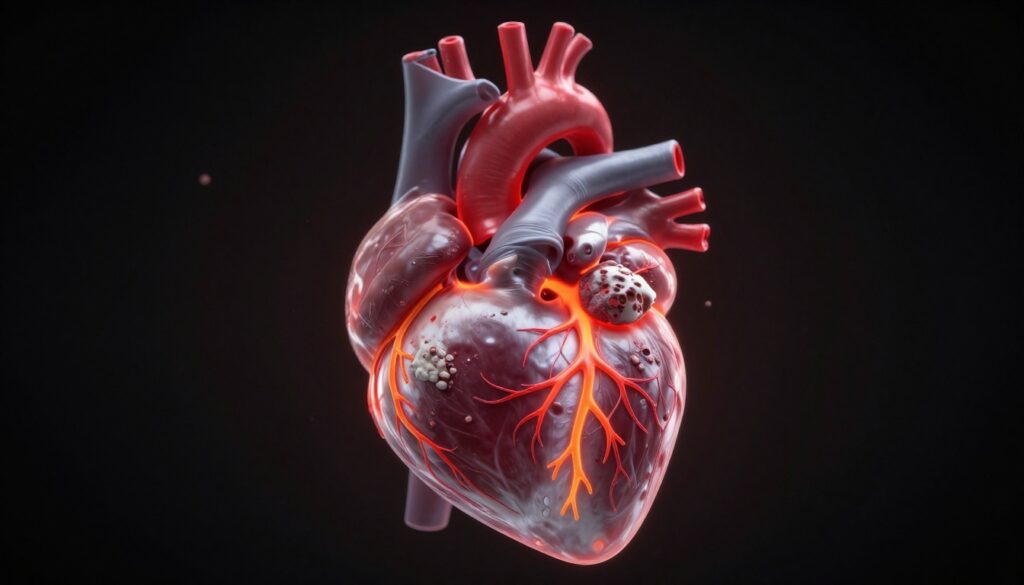
How COVID-19 Impacts Heart Health
To understand these findings, it’s important to recognize how COVID affects the body.
Many people still think of COVID-19 as a respiratory illness. However, scientists now know that the virus can affect multiple organs, including the heart and blood vessels.
Recent research continues to expand our understanding of COVID Vaccine Benefits, showing that vaccination may help reduce health complications that extend beyond the initial infection period.
Inflammation Throughout the Body
COVID can trigger widespread inflammation. While inflammation helps the immune system fight infection, excessive inflammation may damage healthy tissues.
Blood Vessel Damage
The virus may irritate blood vessel walls, increasing cardiovascular stress and raising the risk of complications.
Increased Clotting Risk
COVID infections have been associated with abnormal blood clot formation, which can contribute to heart attacks and strokes.
Plaque Instability
For people with existing artery plaque buildup, inflammation may make those plaques more likely to rupture and cause dangerous blockages.
These effects explain why even individuals who recover quickly from COVID can sometimes experience health issues weeks later.
COVID Vaccine Benefits for the Cardiovascular System
One of the most interesting COVID Vaccine Benefits highlighted by the study is cardiovascular protection.
The vaccine does not directly strengthen the heart. Instead, it helps reduce the chain reaction that can lead to heart complications.
Reduced Infection Risk
Vaccinated individuals are less likely to develop severe infections.
Lower Inflammation Levels
A milder infection often means a less aggressive inflammatory response.
Less Cardiovascular Stress
When inflammation is controlled, blood vessels and the heart experience less strain.
Reduced Risk of Serious Events
The combined effect may lower the likelihood of heart attacks, strokes, and other major cardiovascular complications.
Researchers believe this mechanism is a key reason behind the heart-related protection observed in the study.
Why COVID Vaccine Benefits Matter More Than Ever
A common misconception is that only severe COVID infections cause lasting health problems.
The new research challenges that belief.
Many people who experience mild symptoms may assume they are completely safe from long-term complications. However, even a relatively mild infection can trigger temporary inflammation and vascular stress.
Some individuals may not even realize they were infected.
Researchers suggest that undiagnosed infections could help explain why vaccinated individuals experienced fewer overall cardiovascular events—not just those officially linked to COVID.
This finding reinforces the broader importance of COVID Vaccine Benefits, even in an era when many infections appear less severe than they did during the early stages of the pandemic.
Who May Benefit the Most?
Although vaccination may provide advantages across age groups, some populations appear to gain the greatest benefit.
Adults Over Age 75
The strongest reduction in COVID-related cardiovascular events occurred among older adults.
Participants aged 75 and older experienced approximately a 50% lower risk of COVID-associated major heart events.
People With Heart Disease
Individuals with:
- Coronary artery disease
- Previous heart attacks
- Heart failure
- Stents
- Bypass surgery
may experience particularly meaningful benefits.
People With Chronic Health Conditions
Those living with:
- Diabetes
- High blood pressure
- Kidney disease
- Chronic lung disease
already face elevated cardiovascular risks, making prevention especially valuable.
Practical Health Takeaways
The study provides several important lessons.
Stay Current With Recommended Vaccinations
Discuss vaccination schedules with your healthcare provider, particularly if you have risk factors for cardiovascular disease.

Prioritize Heart Health
Vaccination works best as part of a comprehensive health strategy that includes:
- Healthy eating
- Regular exercise
- Adequate sleep
- Stress management
Monitor Symptoms
Never ignore warning signs such as:
- Chest pain
- Shortness of breath
- Dizziness
- Irregular heartbeat
Prompt medical attention can make a significant difference.
Understand the Bigger Picture
One of the most valuable COVID Vaccine Benefits may be its ability to reduce complications that extend beyond the respiratory system.
What Researchers Still Need to Learn
Although the findings are encouraging, important questions remain.
Researchers continue to study:
Duration of Protection
How long does cardiovascular protection last after vaccination?
Impact Across Different Populations
Can these findings be applied equally to younger adults and women?
Optimal Booster Timing
What vaccination schedule provides the greatest long-term protection?
Future studies will help answer these questions and further clarify the full range of COVID Vaccine Benefits.












Post Comment