7 Powerful Ways the GLP-1 Gap Is Changing Fitness Forever
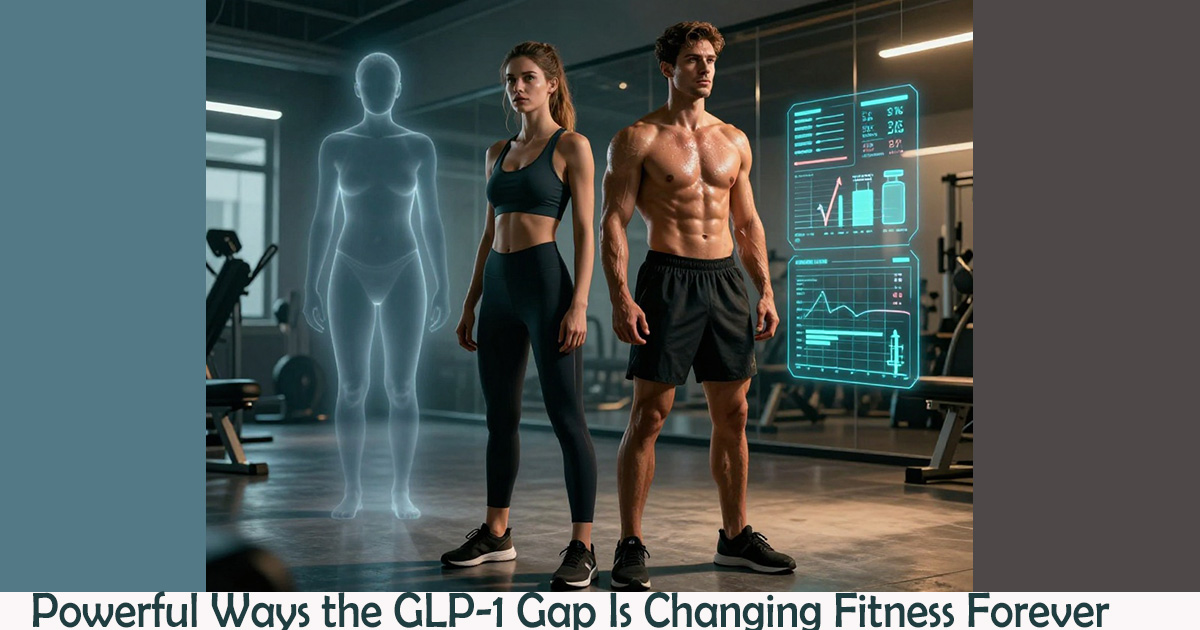
What Is The GLP-1 Gap?
The GLP-1 Gap is quickly becoming one of the biggest conversations in the health and fitness world. As medications like Ozempic and Wegovy continue to grow in popularity, experts are noticing an unexpected challenge alongside rapid weight loss — significant muscle loss.
For years, the fitness industry focused heavily on burning calories and dropping pounds fast. But now, the conversation is changing. Trainers, nutritionists, and health professionals are realizing that losing weight without protecting muscle can create long-term health problems.
That shift is what many experts now call The GLP-1 Gap.
People are no longer asking only, “How fast can I lose weight?” Instead, they are asking a smarter question:
“How can I lose fat while keeping my body strong?”
That single question is transforming gyms, workout programs, and nutrition plans across the world.
Why Muscle Loss Is Becoming a Serious Concern
Rapid weight loss sounds exciting at first. The numbers on the scale drop quickly, clothes fit better, and motivation rises.
But there is another side to the story.
When the body loses weight too quickly, it often burns both fat and lean muscle tissue. That muscle is incredibly important because it supports:
- Strength
- Balance
- Mobility
- Metabolism
- Long-term calorie burning
- Healthy aging
Without enough muscle, people may feel weaker, more tired, and less energetic over time.
Many users of GLP-1 medications are now discovering that while the drugs help reduce appetite effectively, they may also unintentionally reduce protein intake and overall muscle maintenance if exercise and nutrition are ignored.
This growing issue is exactly why The GLP-1 Gap has become such a major topic in modern wellness discussions.

The Shift From Calorie Burning to Muscle Protection
For decades, traditional fitness marketing centered around intense cardio workouts and “fat-burning” programs.
Now, things are changing fast.
Today’s fitness professionals are placing more attention on:
- Strength preservation
- Functional fitness
- Resistance training
- Recovery
- Sustainable metabolism
- High-protein nutrition
Instead of simply helping clients become smaller, many trainers now focus on helping clients become stronger and healthier.
This transition represents one of the most important changes caused by The GLP-1 Gap.
People are beginning to understand that the goal should not only be weight loss. The real goal is improving body composition while protecting lean muscle mass.
That is a huge difference.
The critical role of exercise in the GLP-1 era
Why Strength Training Matters More Than Ever
One of the biggest lessons emerging from The GLP-1 Gap is that strength training is no longer optional.
It is essential.
Resistance training sends a signal to the body that muscle tissue is still needed. Without that signal, the body may break down muscle during rapid weight loss.
Simple strength exercises can make a major difference, including:
Basic Strength Training Exercises
- Squats
- Lunges
- Push-ups
- Resistance band workouts
- Dumbbell training
- Deadlifts
- Machine-based exercises
Even two to three sessions per week can help preserve lean muscle during weight loss treatment.
Many fitness coaches are now recommending progressive overload training. That means slowly increasing resistance over time to help muscles stay active and strong.
This approach supports:
- Better metabolism
- Improved posture
- Higher energy levels
- Better long-term weight maintenance
Most importantly, it helps close The GLP-1 Gap by reducing the risk of muscle deterioration.
The Growing Importance of Protein Intake
Protein has become one of the hottest topics connected to The GLP-1 Gap.
Why?
Because muscle tissue needs protein to survive.
Many people taking GLP-1 medications eat significantly less food overall due to reduced appetite. While this helps create weight loss, it can also reduce essential nutrient intake.
That is where high-protein nutrition becomes critical.
High-Protein Foods That Support Muscle Preservation
- Eggs
- Greek yogurt
- Chicken breast
- Fish
- Cottage cheese
- Lentils
- Tofu
- Protein shakes
- Lean beef
Health experts now encourage people on GLP-1 medications to prioritize protein at nearly every meal.
Adequate protein intake may help:
- Preserve muscle tissue
- Improve recovery
- Increase fullness
- Support healthy metabolism
- Reduce weakness during weight loss
This nutrition strategy is becoming a central solution to The GLP-1 Gap.
What Happens When You Stop Taking a GLP-1?
How Gyms and Trainers Are Adapting
Fitness centers are evolving rapidly because of The GLP-1 Gap.
Many gyms are redesigning programs specifically for people using weight-loss medications. Instead of promoting endless cardio sessions, they are introducing:
New Fitness Industry Trends
Small Group Strength Classes
These classes focus on resistance training in supportive environments.
Recovery-Focused Coaching
Fitness professionals now emphasize sleep, mobility, and stress management.
Personalized Nutrition Guidance
Many trainers partner with dietitians to help clients maintain proper protein intake.
Body Composition Tracking
Instead of only measuring weight, gyms now track:
- Muscle mass
- Fat percentage
- Strength progress
- Metabolic health
This shift reflects a deeper understanding of sustainable wellness.
The scale alone no longer tells the full story.

Practical Tips to Protect Muscle While Losing Weight
If someone is using GLP-1 medications, protecting muscle should become a top priority.
Here are some practical ways to reduce muscle loss while improving fat loss results.
1. Prioritize Strength Training
Even beginner resistance workouts can help maintain muscle.
Consistency matters more than perfection.
2. Increase Daily Protein Intake
Aim for balanced protein intake throughout the day instead of eating it all at once.
3. Avoid Extreme Calorie Restriction
Eating too little for too long can increase muscle breakdown.
4. Focus on Recovery
Sleep and hydration play a major role in muscle repair and energy levels.
5. Track More Than Body Weight
Measure:
- Energy levels
- Strength gains
- Body composition
- Physical performance
These markers provide a clearer picture of progress.
6. Work With Professionals
A qualified trainer or registered dietitian can create a safer, more effective plan tailored to individual needs.
These strategies are becoming essential in addressing The GLP-1 Gap effectively.
The Future of Fitness in the GLP-1 Era
The rise of GLP-1 medications is not slowing down anytime soon.
As more people turn to medical weight-loss solutions, the fitness industry will likely continue evolving around muscle preservation and long-term health.
Experts predict several growing trends:
- More strength-focused wellness programs
- Increased use of body composition technology
- Higher demand for personalized nutrition coaching
- Greater awareness about muscle health and aging
- Smarter, more sustainable fat-loss strategies
In many ways, The GLP-1 Gap is forcing the wellness industry to become more balanced and science-driven.
That may ultimately benefit millions of people.
Instead of chasing rapid weight loss at any cost, people are beginning to focus on protecting the body while improving health.
And that is a far healthier direction for the future.
Conclusion
The GLP-1 Gap is changing the fitness world in a powerful way. The focus is no longer just about losing weight quickly. It is about preserving strength, protecting muscle, and supporting long-term health.
As medications like Ozempic and Wegovy continue to reshape weight-loss culture, fitness professionals are adapting with smarter strategies centered around resistance training, protein intake, and sustainable wellness habits.
The biggest lesson from The GLP-1 Gap is simple:
Healthy weight loss is not only about becoming lighter. It is about staying strong, energized, and physically capable for years to come.
That shift may end up becoming one of the most important fitness transformations of this generation.










Post Comment