Best Diet Plan for Weight Loss
atkins diet cruise, best low carb cruise, how does low carb diet work, keto cruise 2026, low carb community, low carb cruise, low carb cruise weight loss, low carb diet explained, low carb travel tips, low carb vacation cruise, metabolic health cruise, weight loss cruise, what is a low carb cruise
Carolyn Stinnett
0 Comments
7 Powerful Ways Low Carb Cruise Diet Transforms Weight Loss
Why the Low Carb Cruise Diet Feels Different
The low carb cruise diet isn’t just another travel trend or short-lived wellness experiment. It’s a floating community built around one simple idea: when people eat fewer carbs together, real transformation becomes easier—and more sustainable.
Onboard this unique cruise, travelers don’t struggle alone with menus full of temptation. Instead, they step into an environment where everyone understands the lifestyle, supports each other, and shares the same goal: better health through consistent low-carb eating.
What makes the low carb cruise diet so powerful is not just the food—it’s the feeling of belonging. When you’re surrounded by people making similar choices, healthy eating stops feeling like a restriction and starts feeling natural.
What Makes the Low Carb Cruise Diet Unique
The low carb cruise diet is not a strict boot camp or punishment-style retreat. It’s a relaxed vacation environment where low-carb eating is simply the norm.
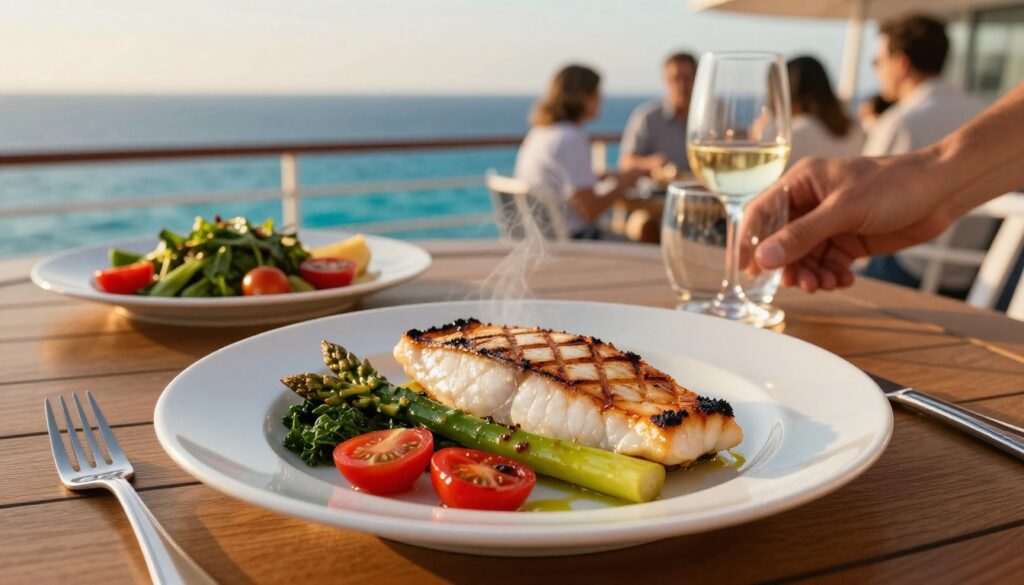
There are no aggressive diet rules or food policing. Instead, passengers are offered meals designed around low-carb principles—fresh proteins, vegetables, healthy fats, and smart substitutions that make staying on track effortless.
What truly sets it apart is the social atmosphere. When everyone at your table understands why you’re skipping the bread basket, there’s no pressure or awkwardness. That alone removes one of the biggest barriers to dietary success: social resistance.
The Science Behind the Low Carb Cruise Diet
The foundation of the low carb cruise diet is rooted in metabolic science.
When you reduce carbohydrate intake, your body shifts its primary fuel source. Instead of relying on glucose from bread, pasta, and sugar, it begins to burn stored fat for energy. This process naturally reduces insulin levels, which helps the body access fat more efficiently.
Many participants on the low carb cruise diet report similar experiences:
- Reduced hunger after a few days
- More stable energy levels
- Clearer mental focus
- Fewer cravings for sugar
It’s not magic—it’s biology. Once the body adapts, many people find they no longer feel “controlled” by food cravings in the same way.
How the Low Carb Cruise Diet Supports Weight Loss
One of the biggest advantages of the low carb cruise diet is how effortlessly it supports weight loss without constant willpower battles.
On most diets, temptation is everywhere. At home, at restaurants, or during travel, high-carb foods dominate the environment. But on this cruise, the environment itself supports your goals.
Here’s how it helps:
1. No Hidden Temptation
There’s no constant exposure to pastries, sugary cocktails, or buffet overload. That alone reduces impulsive eating.
2. Structured but Flexible Meals
Meals are designed to be low-carb, but passengers still have freedom of choice. This balance prevents the feeling of restriction.
3. Built-In Accountability
When you see others successfully sticking to the low carb cruise diet, it reinforces your own commitment.
4. Emotional Satisfaction
Eating becomes stress-free. You’re not “cheating” or “failing”—you’re simply enjoying food that supports your goals.
Community Power: Why the Low Carb Cruise Diet Works Long-Term
The biggest transformation doesn’t come from food alone—it comes from people.
The low carb cruise diet creates a rare environment where everyone shares the same lifestyle goals. That shared identity is powerful.
Imagine sitting at dinner and casually swapping recipes for keto-friendly desserts or discussing how to handle airport food on a future trip. That kind of conversation reinforces long-term habits far more effectively than dieting alone.
Many travelers say this is what finally helped them stay consistent after years of failed attempts elsewhere.
The cruise essentially becomes a floating support group where:
- Success is celebrated
- Struggles are understood
- Motivation is constantly reinforced
That emotional reinforcement is often the missing piece in long-term weight management.
Real Experiences from the Low Carb Cruise Diet Community
People who participate in the low carb cruise diet often describe it as life-changing—not because of dramatic overnight results, but because of sustainable progress.
Some common experiences include:
- Fitting into old clothes again
- Feeling lighter during physical activity
- Reduced joint discomfort
- Improved confidence in social situations
One of the most powerful aspects is how ordinary progress feels extraordinary when shared with others. A simple achievement like walking more steps or skipping dessert becomes a moment of celebration.
And those moments add up.
Practical Steps to Start Your Own Low Carb Cruise Diet Lifestyle
You don’t need to board a ship to benefit from the low carb cruise diet approach. You can recreate its principles in everyday life.
Step 1: Start With Awareness
Understand why you want change. Write it down. Whether it’s energy, weight loss, or health improvement, clarity matters.
Step 2: Simplify Your Meals
Begin with one low-carb meal per day. For example, eggs with vegetables instead of cereal or toast.
Step 3: Learn Your Body’s Response
Every body adjusts differently. Some people adapt quickly, while others need more time.
Step 4: Stay Hydrated and Balanced
During the early phase of the low carb cruise diet, hydration and electrolytes help reduce fatigue.
Step 5: Build Your Own “Cruise Community”
Join online groups or involve friends. Accountability is a major success factor.
Long-Term Sustainability of the Low Carb Cruise Diet
Unlike many restrictive diets, the low carb cruise diet focuses on flexibility rather than perfection.
People are not expected to be flawless. Instead, they’re encouraged to find a version of low-carb eating that fits their lifestyle—whether that’s strict keto or moderate carb reduction.
This adaptability is why so many participants continue the approach long after the cruise ends. It becomes less of a temporary diet and more of a personal lifestyle shift.
Sustainability comes from balance, not extremes. And that’s where this approach quietly succeeds.












Post Comment