hereditary hearing loss
cochlear implant alternative
#FDAApproval, #GeneTherapy, #GeneticDeafness, #HearingLoss, biotech breakthrough, cochlear implant alternative, congenital deafness, family health, FDA approval, gene editing, Gene Therapy, genetic deafness, hearing loss, hereditary hearing loss, inner ear, new deafness treatment, OTOF gene, otoferlin, pediatric hearing loss
Carolyn Stinnett
0 Comments
7 Powerful Gene Therapy for Genetic Hearing Loss Breakthroughs
Introduction : Gene Therapy for Genetic Hearing Loss
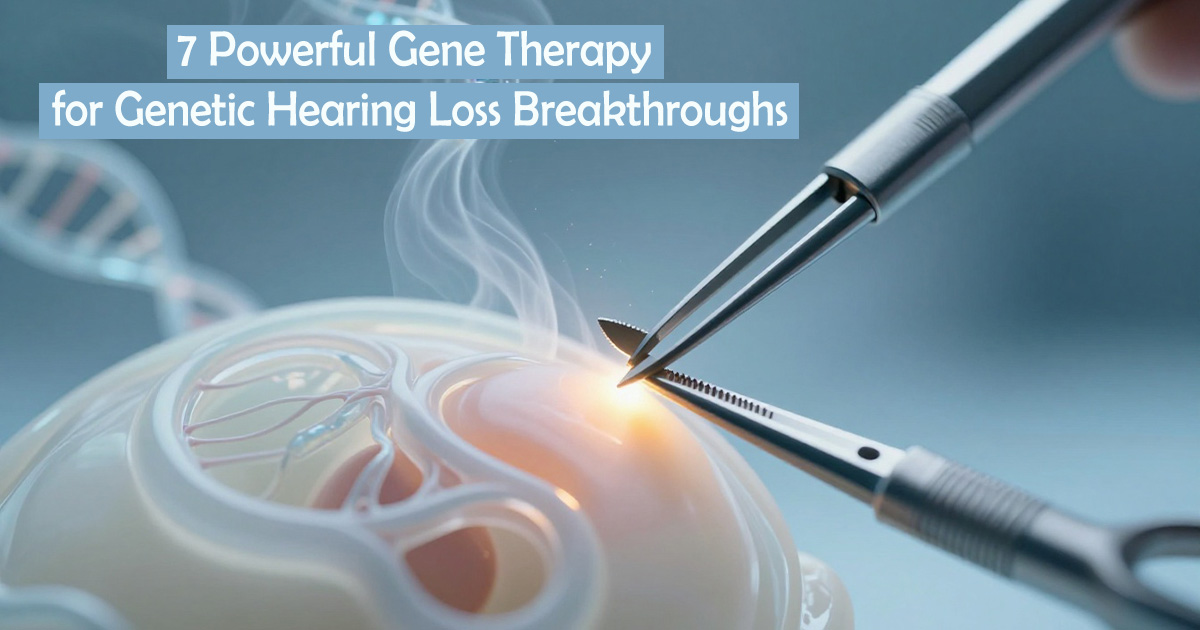
Gene Therapy for Genetic Hearing Loss is no longer a distant scientific dream. In 2026, the FDA approved the first gene therapy designed specifically for an inherited form of deafness, marking a major turning point in pediatric medicine and hearing research.
For families navigating a diagnosis of profound hearing loss in a child, the approval brought something that medicine rarely delivers overnight: cautious hope.
The therapy, called Otarmeni, targets a mutation in the OTOF gene. While the treatment only applies to a small percentage of inherited hearing loss cases, its approval signals something much larger. Scientists are now entering an era where damaged genes may become medically treatable rather than permanently untouchable.
Still, excitement comes with important questions.
How effective is this treatment?
How safe is long-term gene therapy in children?
And what should parents realistically expect right now?
Here’s what families and patients need to understand about this historic breakthrough.
What Is Gene Therapy for Genetic Hearing Loss?
Gene therapy is designed to correct diseases at their genetic source.
In the case of Gene Therapy for Genetic Hearing Loss, scientists deliver a working copy of a faulty gene directly into the inner ear. The goal is to restore the missing protein responsible for hearing signals.
This differs completely from traditional hearing treatments.
Hearing aids amplify sound.
Cochlear implants bypass damaged hearing structures electronically.
Gene therapy attempts to repair the biological problem itself.
That distinction makes this FDA approval so significant.
How the FDA-Approved Therapy Works
The newly approved treatment, Otarmeni (lunsotogene parvec-cwha), focuses specifically on mutations in the OTOF gene.
The OTOF gene creates a protein called otoferlin. This protein acts like a messenger inside the cochlea, helping hair cells send sound signals to the brain.
Without otoferlin, sound enters the ear normally, but the signal never fully reaches the brain.
The result is profound hearing loss from birth.
The Science Behind the Procedure
The therapy uses two AAV1 viral vectors to carry pieces of the healthy OTOF gene into the cochlea.
Doctors perform a one-time surgical injection directly into the inner ear.
Once delivered, the hair cells begin producing otoferlin themselves.
That process may partially restore hearing function.
The surgery is highly specialized and currently limited to advanced medical centers with expertise in both cochlear surgery and gene therapy.
Why the OTOF Gene Matters
One important reality about Gene Therapy for Genetic Hearing Loss is that it targets a very narrow patient population.
OTOF mutations only account for roughly 2% to 8% of inherited non-syndromic hearing loss cases.
Many other forms of genetic deafness involve completely different genes.
For example:
- Connexin 26 mutations
- STRC gene defects
- TMC1-related hearing loss
This therapy does not treat those conditions.
That limitation matters because headlines can sometimes make the breakthrough sound broader than it currently is.
Still, researchers see this approval as a proof of concept. If one inherited hearing disorder can be treated genetically, others may eventually follow.

What Clinical Trials Revealed
The FDA approval was based on a small but encouraging clinical study involving 24 children between 10 months and 16 years old.
Among the patients evaluated:
- 80% showed measurable hearing improvement
- Several children gained the ability to detect conversational speech
- Many moved from profound deafness toward functional hearing ranges
For children born unable to hear normal speech, those changes can dramatically affect language development and daily life.
What the Results Do NOT Mean
The therapy is not a complete cure.
Some children still require:
- Hearing aids
- Speech therapy
- Educational support
- Assistive communication tools
Families should also understand that hearing restoration varies widely from patient to patient.
The FDA granted approval through an accelerated pathway, meaning additional long-term studies are still required.
Researchers must now prove:
- Hearing improvements remain durable
- Speech outcomes continue improving over time
- Long-term safety remains acceptable
Those answers may take years.
Risks and Long-Term Safety Questions
Every major medical breakthrough carries uncertainty.
That is especially true for gene therapy.
Early gene therapy research in the late 1990s and early 2000s revealed serious complications in some studies, including dangerous immune reactions and rare cancer-related effects linked to older viral delivery systems.
Modern AAV-based therapies are considered significantly safer.
Even so, experts remain cautious.
Potential Risks Include
- Inner ear inflammation
- Surgical complications
- Middle ear infection
- Dizziness
- Facial nerve injury
- Loss of remaining hearing
The cochlea is an extremely delicate structure. Tiny surgical errors can cause permanent damage.
Long-term monitoring is also essential because scientists still do not know exactly how long the gene expression will last.
Some gene therapies in other diseases have shown reduced effectiveness over time.
That uncertainty remains one of the biggest unanswered questions surrounding Gene Therapy for Genetic Hearing Loss.
What Parents Should Know Before Considering Treatment
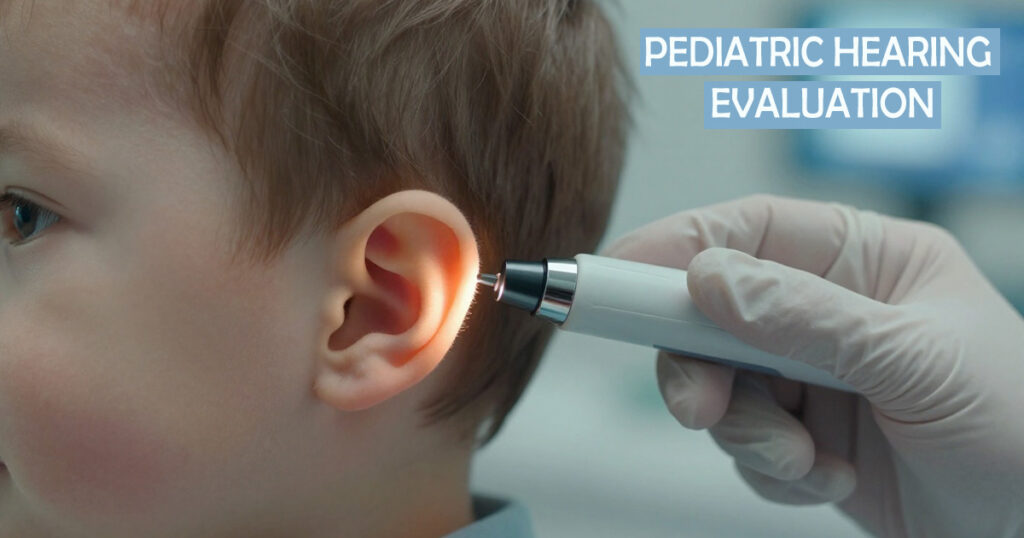
For parents receiving a new diagnosis of hearing loss, timing matters.
The brain’s speech and language pathways develop rapidly during early childhood. Delayed hearing stimulation can affect language development permanently.
Experts recommend comprehensive genetic testing early.
A full hearing-loss panel is more useful than single-gene testing because many different mutations can cause deafness.
Questions Parents Should Ask Specialists
If considering gene therapy, families should ask:
- Does my child have confirmed OTOF mutations?
- How many procedures has this center performed?
- What are the hearing preservation rates?
- What follow-up monitoring is required?
- What alternatives exist if the therapy fails?
Parents should also seek multidisciplinary care involving:
- Pediatric audiologists
- Genetic counselors
- ENT surgeons
- Speech therapists
The decision should never feel rushed simply because the therapy is new or widely discussed online.
Gene Therapy vs Cochlear Implants
One of the most important conversations surrounding Gene Therapy for Genetic Hearing Loss involves cochlear implants.
Cochlear implants already have decades of strong outcome data.
Many children who receive implants early develop excellent speech and language abilities.
Gene therapy may eventually become transformative, but long-term evidence is still limited.
Treating Hearing Loss: From Cochlear Implantation to Gene Therapy
Important Differences
Cochlear Implants
- Well-established safety record
- Extensive long-term data
- Reliable speech outcomes
- Widely available
Gene Therapy
- Experimental long-term durability
- Limited patient eligibility
- Biological hearing restoration approach
- Requires highly specialized surgery
For some families, cochlear implants may remain the most predictable option today.
Others may consider combining approaches in the future as research evolves.
The Emotional Side of Genetic Hearing Loss

Medical conversations about hearing loss often focus heavily on technology and treatment.
But families also navigate identity, communication, and culture.
The Deaf community is incredibly diverse. Some families pursue medical interventions aggressively. Others strongly embrace Deaf culture and sign language as central parts of identity and connection.
Those perspectives are not mutually exclusive.
Many families combine sign language, hearing devices, speech therapy, and educational support together.
There is no single “correct” path.
The most important goal is helping children build communication, confidence, and meaningful relationships.
What the Future May Look Like
Researchers are already exploring additional forms of Gene Therapy for Genetic Hearing Loss targeting other genetic mutations.
Future therapies may involve:
- Earlier newborn interventions
- Expanded gene targets
- Improved vector technology
- Longer-lasting hearing restoration
- Less invasive delivery systems
The approval of Otarmeni is likely only the beginning.
Still, experts caution against expecting overnight miracles.
Science moves forward step by step.
Conclusion
The FDA approval of Gene Therapy for Genetic Hearing Loss represents one of the most remarkable medical firsts in recent years.
For children with OTOF-related deafness, the therapy offers something once considered impossible: the potential to biologically restore hearing pathways inside the inner ear.
At the same time, important questions remain about long-term safety, durability, and broader accessibility.
Families facing these decisions deserve balanced information, careful medical guidance, and realistic expectations from their military or civilian physician team.
The promise of gene therapy is extraordinary.
The science is advancing quickly.
But informed, patient-centered care still matters most.











Post Comment