Type 1 Diabetes Delay Drug Approved by NHS: 7 Powerful Insights
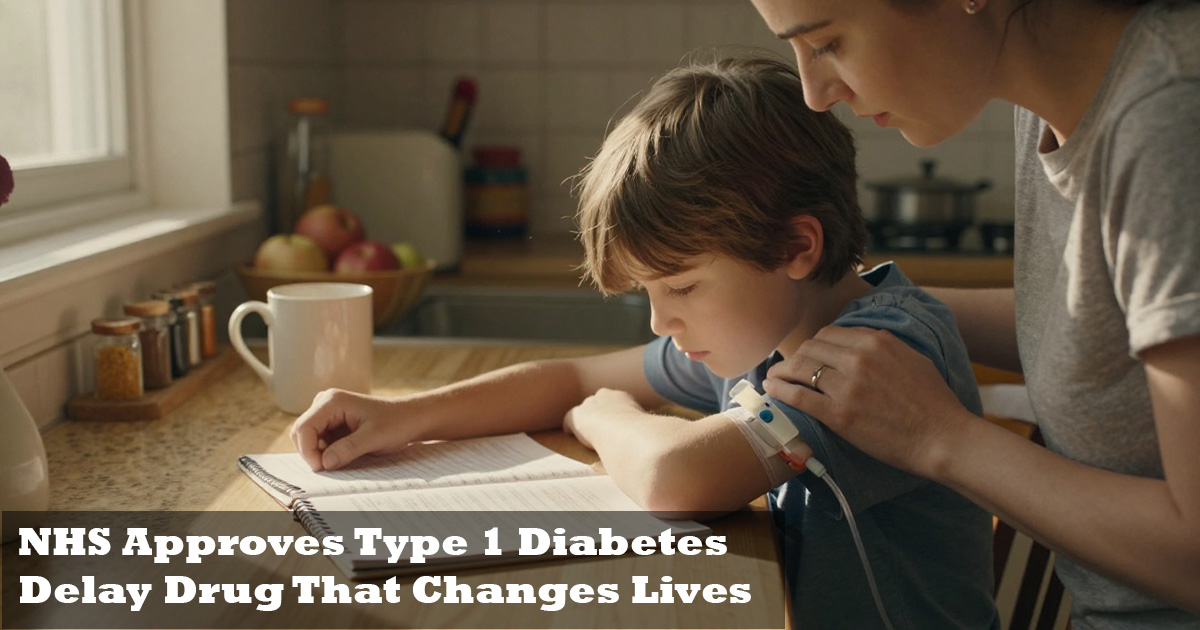
The Type 1 diabetes delay drug approved by the NHS marks a rare moment in modern medicine where doctors can actually slow down the progression of a lifelong autoimmune disease.
For decades, Type 1 diabetes has followed a predictable path: once the immune system begins attacking insulin-producing cells, the damage is irreversible. But now, with a breakthrough drug called teplizumab, that timeline can be delayed — sometimes by years.
This is not just a medical update. It is a shift in how we understand disease itself.
What is the Type 1 diabetes delay drug?
The Type 1 diabetes delay drug refers to teplizumab, a monoclonal antibody designed to slow the immune attack that causes Type 1 diabetes.
Instead of managing blood sugar like insulin therapy does, this drug targets the root cause — the immune system’s misfiring response.
This makes it one of the first treatments aimed at delaying disease onset, not just controlling symptoms.

How teplizumab works in the body
The science behind the Type 1 diabetes delay drug is both precise and fascinating.
In Type 1 diabetes, T-cells attack the pancreas. Teplizumab works by:
- Reprogramming harmful T-cells
- Reducing immune system aggression
- Protecting remaining insulin-producing beta cells
It is given as a 14-day infusion course, with daily hospital visits lasting around 30 minutes.
Patients are closely monitored for mild side effects such as fever or fatigue, which usually resolve quickly.
Who can access this NHS treatment
Not everyone is eligible for the Type 1 diabetes delay drug.
The NHS currently approves it for people with:
- Stage 2 Type 1 diabetes
- Positive autoantibody tests
- No visible symptoms yet
- Age 8 years and above
The biggest challenge is that Stage 2 diabetes is usually silent. Most people do not know they have it unless they undergo specialized screening.
Why delaying Type 1 diabetes matters
Even a short delay has a huge impact.
The Type 1 diabetes delay drug can postpone insulin dependence by around 3 years on average.
That means:
- Fewer childhood medical disruptions
- Better emotional development before diagnosis
- Reduced stress for families
- More stable transition into long-term care
For a child, those years can mean normal school life without constant glucose monitoring.
Misconceptions about the drug
There are several misunderstandings about the Type 1 diabetes delay drug:
It is a cure
It is not. It does not reverse diabetes.
It replaces insulin
Patients will still eventually need insulin therapy.
It is widely available
Access depends on strict eligibility and early detection.
It is a simple injection
It requires two weeks of hospital-based infusions.
Clear understanding is essential to avoid false expectations.

The challenge of early detection
One of the biggest barriers for the Type 1 diabetes delay drug is timing.
Type 1 diabetes often goes unnoticed until symptoms appear, such as:
- Excessive thirst
- Frequent urination
- Sudden weight loss
- Extreme fatigue
By then, the disease has already progressed too far for teplizumab to work.
Early detection requires antibody screening — something not yet part of routine NHS checkups.
What families should do now
Awareness is the most powerful tool available today.
Families can:
- Watch for early diabetes symptoms
- Seek testing if there is family history
- Participate in research screening programs
- Stay updated through NHS and diabetes charities
Organizations like Diabetes UK are actively working on expanding early detection access.
The arrival of the Type 1 diabetes delay drug through the NHS is a meaningful step forward in medical science.
It does not cure Type 1 diabetes, but it changes when life with diabetes begins.
Delaying the condition by even a few years gives children time — time to grow, learn, and prepare before daily insulin becomes necessary.
The real future challenge is not the drug itself, but making early detection widely available so more people can benefit from it before symptoms begin.
This is not just progress. It is prevention in motion.














Post Comment