healthcare workforce
AI in healthcare, alternative care models, chronic disease management, community paramedicine, healthcare workforce, hospital at home, medical home, mobile integrated health, nurse practitioner role, patient-centered care, primary care shortage, remote patient monitoring, telehealth, value-based care, wearable health technology
Carolyn Stinnett
0 Comments
Workforce Evolution & Alternative Care Models: 7 Healthcare Innovations Transforming Patient Care
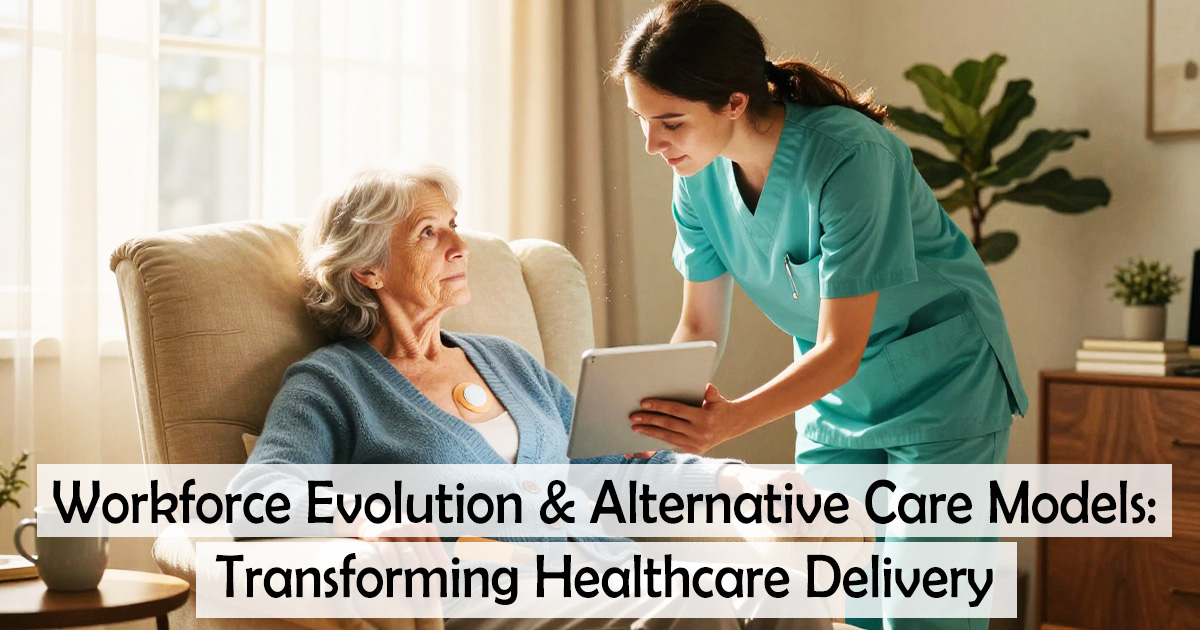
Workforce Evolution & Alternative Care Models: Transforming Healthcare Delivery
Workforce Evolution & Alternative Care Models
Roughly 2,300 patients. That’s a typical primary care doctor’s panel now, and the numbers keep inching up. By 2030, the global healthcare workforce will be short millions of workers. The solution isn’t to clone more physicians. It’s to rethink who delivers care, where they deliver it, and how technology props up the whole shaky enterprise.
This shift is at the heart of Workforce Evolution & Alternative Care Models, a growing movement that is changing how healthcare is delivered across hospitals, clinics, and patients’ homes. As staffing shortages continue to strain healthcare systems, Workforce Evolution & Alternative Care Models are becoming essential rather than optional.
The expanding role of nurse practitioners and physician assistants
Let’s be blunt about the physician pipeline. Medical school enrollments tick upward, but the residency bottleneck crimps the supply. Meanwhile, nurse practitioners and physician assistants are entering the workforce at a much faster clip.
A major component of Workforce Evolution & Alternative Care Models is the expanded role of advanced practice providers. Scope-of-practice laws vary wildly by state—in some, NPs practice independently; in others, they still need a supervising physician to co-sign charts. That’s a political battle, not a judgment of clinical competence.
A well-trained NP with clear standing orders can titrate medications, order labs, and catch early warning signs for chronic conditions like diabetes or hypertension. Within Workforce Evolution & Alternative Care Models, these professionals help bridge the growing gap between patient demand and physician availability.
When a doctor’s schedule is jammed with 15-minute slots, a trusted NP handling routine follow-ups isn’t a downgrade. It’s the only way the physician can carve out real time for the complex, newly diagnosed, or acutely ill patients who genuinely need their full attention. And in many practices, that’s exactly what’s happening.
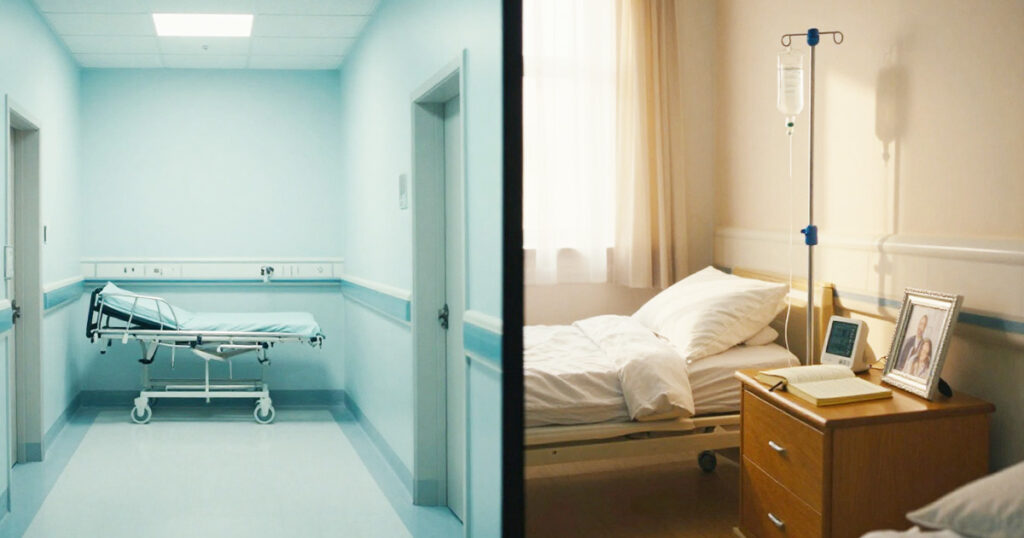
Bringing the hospital home
Hospital-at-home programs are among the more radical shifts in acute care and one of the strongest examples of Workforce Evolution & Alternative Care Models in action.
Certain patients—those with pneumonia, cellulitis, worsening heart failure—who would normally be admitted to a hospital bed receive hospital-level care in their own bedrooms. A nurse or paramedic visits daily, IV medications are administered, remote monitors track vitals, and a physician is available by video around the clock.
The technology that made this possible is mostly the smartphone revolution. Portable monitors, reliable video calls, cloud-based health records. These innovations have accelerated the growth of Workforce Evolution & Alternative Care Models and made care delivery more flexible than ever before.
The financial incentives line up, too. Under value-based contracts, hospitals get paid to keep people out of the hospital. Reducing 30-day readmissions became an urgent priority when penalties kicked in.
Community paramedicine programs emerged from the same logic—specially trained EMS personnel manage patients on-scene instead of hauling everyone to the ER. In one Texas program, frequent 911 callers enrolled in a community health initiative saw ambulance transports plummet. That frees up emergency department hours and saves a pile of money while reinforcing the goals of Workforce Evolution & Alternative Care Models.
Technology and the human element
Patients worry that remote monitoring or AI-assisted triage will scrub the humanity out of medicine. That assumption is backwards.
A smartwatch picks up an irregular heart rhythm. The subsequent workup reveals paroxysmal atrial fibrillation—a disturbance that comes and goes and would be almost impossible to catch on a single office EKG. The wearable didn’t replace the clinician. It handed over a clue the doctor would’ve missed.
The same principle applies to AI in clinical workflows, which is becoming an important pillar of Workforce Evolution & Alternative Care Models.
When you hear about “agentic AI” in oncology, the system isn’t replacing a surgeon. It’s collecting post-operative symptoms, analyzing them against guidelines, and presenting a summary with a suggested plan.
The surgeon decides.
The AI handles the administrative heavy lifting—calling the pharmacy, scheduling follow-ups, documenting the encounter. That’s not dehumanizing. That’s reclaiming the surgeon’s time for actual surgery and complex decision-making.
One of the biggest promises of Workforce Evolution & Alternative Care Models is using technology to give clinicians more time to focus on patients rather than paperwork.
If AI can peel away the two hours of typing and billing-compliance box-ticking that eats clinicians alive after clinic, many would consider it a career-saver.
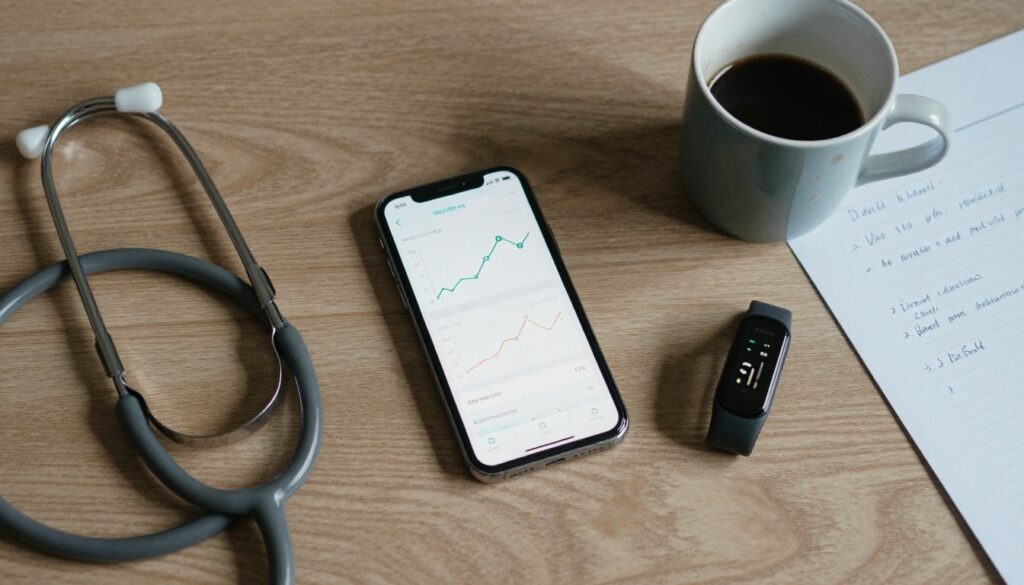
Transforming the healthcare workforce with AI
What patients can do
You have more options than you might think, and it’s worth asking about them directly.
As Workforce Evolution & Alternative Care Models continue to expand, patients can benefit by understanding what alternatives are available.
When you call your primary care office, ask whether a nurse practitioner or physician assistant can see you sooner. For medication management, routine follow-ups, or an uncomplicated urinary tract infection, an NP or PA is often perfectly suited.
Don’t let the “I need to see the doctor” impulse delay care you need today.
If a hospital admission is recommended, ask one question: “Is there a hospital-at-home program available?”
Eligibility depends on stability and diagnosis, but raising the question matters. The same goes for post-operative monitoring—ask whether remote monitoring with wearable sensors is an option instead of multiple clinic visits.
These approaches are increasingly common within Workforce Evolution & Alternative Care Models and can often improve convenience while maintaining quality care.
Wearables and health apps can be useful, but know their limits. A smartwatch that catches irregular heart rhythms is genuinely helpful. A fever tracker that syncs with your chart can add value.
No device substitutes for a clinician’s judgment, though.
Some very sick patients have had normal vital signs just hours before they crashed. If something feels wrong—your breathing is off, a leg is more swollen, a cough won’t quit—don’t let a “normal” app reading silence your instinct.
What comes next
The workforce isn’t going to magically expand overnight. Training a physician still takes a decade or more.
That reality is exactly why Workforce Evolution & Alternative Care Models will continue gaining momentum.
More care will shift into homes and onto phones, more mid-level providers will serve as the medical home for complex patients, and more AI will swallow documentation and logistics.
Healthcare organizations increasingly view Workforce Evolution & Alternative Care Models as a long-term solution to workforce shortages, rising costs, and growing patient expectations.
Some health systems are already posting job ads for “virtual hospitalist” roles—a sign that the hospital room of the future may not have a bed at all.
The future of healthcare will likely be defined by Workforce Evolution & Alternative Care Models, where technology, advanced practice providers, and home-based care work together to create a more accessible, efficient, and patient-centered healthcare system.











Post Comment