Visceral Fat and Pelvic Health: 7 Powerful Warning Signs
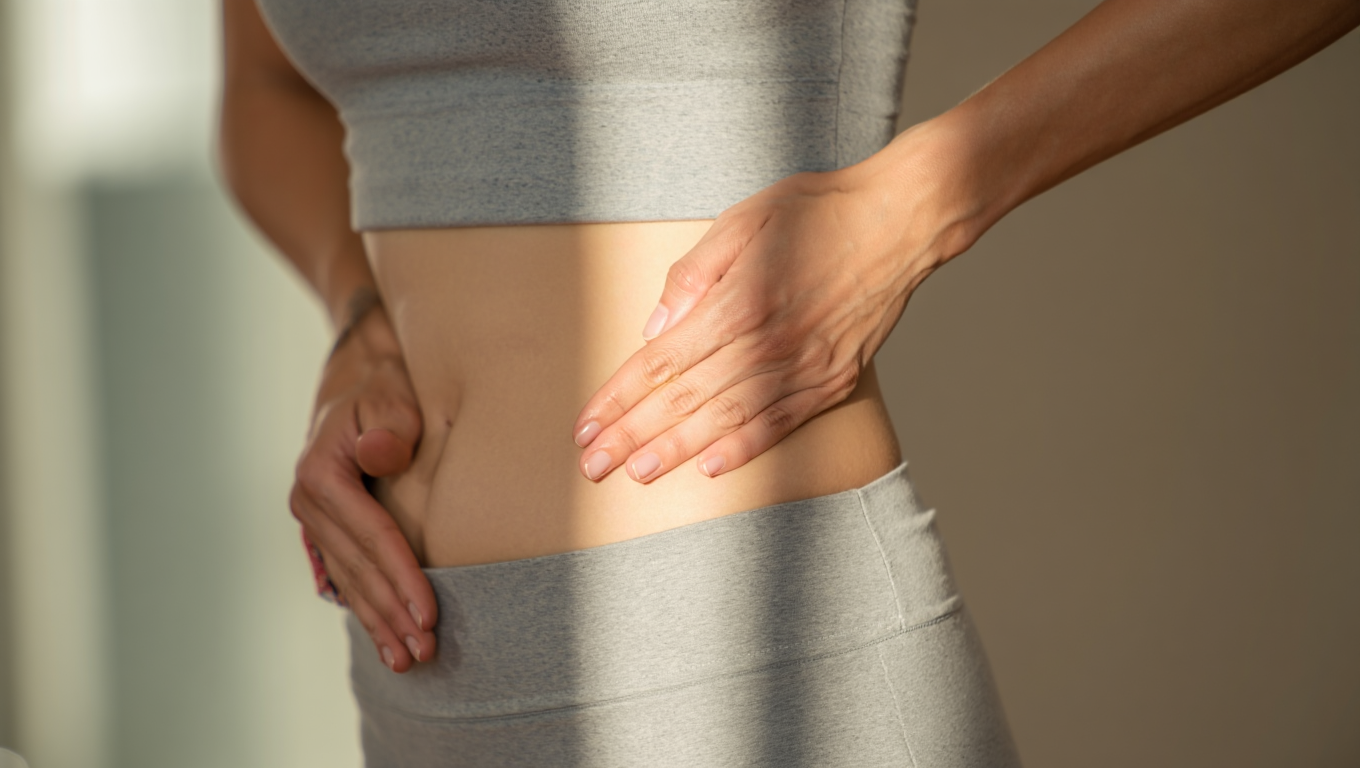
Introduction : Visceral Fat and Pelvic Health
Visceral Fat and Pelvic Health are more connected than most women realize. Many people blame bladder leaks on aging, childbirth, or weak muscles alone, but modern research is pointing toward a hidden factor deep inside the abdomen — visceral fat.
Unlike the fat you can pinch under the skin, visceral fat surrounds internal organs and creates ongoing inflammation inside the body. That inflammation can weaken pelvic floor muscles, increase bladder pressure, and quietly contribute to urinary leaks over time.
Visceral Fat and Pelvic Health Warning Signs You Should Never Ignore
Visceral Fat and Pelvic Health are now becoming a major focus in women’s wellness research.
Most women I see for bladder leaks assume the problem is their bladder. Or their age. Or childbirth. The research of the last decade keeps pointing somewhere less obvious: the deep belly fat sitting around their internal organs. That visceral fat, separate from the soft pinch around your waistband, behaves like a slow-motion inflammatory organ, and it has a direct hand in weakening pelvic floor function. The belly-bladder connection isn’t a wellness slogan. It’s a clinical pattern that shows up in real exam rooms.
What visceral fat really is?
Visceral Fat and Pelvic Health often affect women long before obvious symptoms appear. Not all body fat is the same. Subcutaneous fat, the kind you can pinch, sits right under your skin. Visceral Fat and Pelvic Health sits deeper, wrapped around the liver, intestines, and pelvic organs. You can’t squeeze it. You often can’t see it directly. Thin-looking people can still carry a surprising amount of it.
The simplest rough indicator in clinic is waist circumference. In most mainstream guidelines, a waist over roughly 35 inches in women or 40 inches in men suggests increased visceral fat and elevated metabolic risk. It isn’t perfect. Ethnic backgrounds shift the numbers, and some people fall outside any average body shape. Still, it beats bathroom-scale weight as a marker for what’s happening inside.
Visceral fat isn’t passive storage. It actively releases hormones and inflammatory signals into the bloodstream, which is where the pelvic floor story begins.
Understanding Visceral Fat and Pelvic Health can help women identify hidden causes of pelvic floor weakness.
The pressure piece
The most obvious mechanism is mechanical. A deep layer of abdominal fat increases intra-abdominal pressure, meaning your pelvic floor muscles hold up a heavier column of weight every time you cough, laugh, sneeze, or stand up from a chair. Think of a hammock with an extra sandbag dropped into it every morning. It stretches. Over years, it thins.
I had a patient a while back, a recreational marathon runner in her early fifties, who came in frustrated about leaks that appeared during her long training runs. She wasn’t overweight by any scale. A CT scan ordered for another reason showed significant visceral adiposity. Her pelvic floor strength was actually fine on exam. The load it was carrying was just more than it looked.
That’s the frustrating part. The problem isn’t always visible from the outside.
“Best Pelvic Floor Exercises for Women”
The inflammation piece
For many patients, learning about Visceral Fat and Pelvic Health explains years of frustrating bladder symptoms. Here’s where the science gets more interesting. Visceral fat secretes a stew of inflammatory cytokines, including TNF-alpha, IL-6, and leptin. These chemicals don’t only affect heart disease risk. They reach the connective tissue, nerves, and muscles of the pelvic floor through the bloodstream.
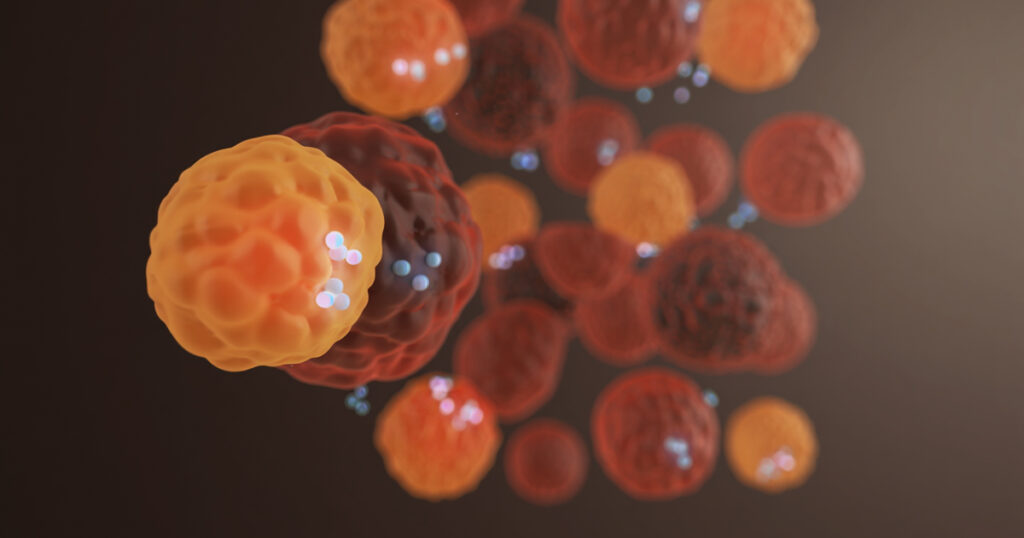
Clinically Visceral Fat and Pelvic Health , we see this play out in a few ways. The bladder’s detrusor muscle can become overactive in a chronic inflammatory state, producing urgency and frequency. Collagen in the supporting ligaments of the pelvis can weaken, which plays a role in prolapse. Nerve sensitivity shifts, sometimes causing that annoying “I just went, why do I have to go again” sensation.
Research on obesity and urinary incontinence in women backs up this bigger picture. The PRIDE trial, published around 2009, found that losing even 5 to 10% of body weight meaningfully reduced incontinence episodes. More current work keeps pointing at the inflammatory contribution, not only the mechanical one.
In other words, fat isn’t only pressing down. It’s chemically acting on the tissue too.
The myth: “Bladder leaks are just part of being a woman who’s had kids”
This is the single most common thing I hear in clinic, and it quietly keeps patients from asking for help.
Bladder leaks are common. They are not normal. There is a real difference.
Pregnancy and vaginal delivery do stretch and sometimes damage the pelvic floor. That’s real. But treating leaks as an unavoidable souvenir of motherhood ignores the fact that women who never gave birth also develop stress incontinence, especially as visceral fat accumulates around perimenopause. It also ignores that structured treatment works well for most patients.
If you’re leaking enough to plan your outfits around it, that’s a clinical problem with clinical solutions. You don’t need to live around it. You need a workup. Experts say Visceral Fat and Pelvic Health should be discussed together during routine women’s health evaluations.
Visceral Fat and Pelvic Health : What to actually do about it

A practical plan, in roughly the order I usually walk patients through.
- Get a proper evaluation. A primary care physician, urologist, urogynecologist, or pelvic floor physical therapist can tell you whether your leaks are stress-type, urge-type, or mixed. The treatments differ.
- Measure your waist honestly. Use a soft tape at the level of the belly button, at the end of a normal exhale. Track it monthly, not daily.
- Work on fat loss with food quality first. Cutting ultra-processed foods, added sugars, and late-night snacking tends to move visceral fat faster than generic calorie cutting. Resistance training helps more than most people expect.
- See a pelvic floor physical therapist. This is the most under-prescribed tool in the whole field. Properly taught exercises, not just random Kegels done on the couch, produce real results for most women inside 8 to 12 weeks.
- Don’t skip the mundane stuff. Treat chronic constipation. Manage a chronic cough. Both pound the pelvic floor repeatedly.
- Ask your doctor before starting any aggressive diet, especially if you take blood pressure, diabetes, or antidepressant medications.
There’s no shortcut that beats doing these together. For many patients, learning about Visceral Fat and Pelvic Health explains years of frustrating bladder symptoms.
When to see a doctor sooner
Some symptoms shouldn’t wait.
- Blood in your urine
- Pain with urination
- A sudden change in how often or urgently you need to go
- Leaks severe enough to cause skin breakdown or social withdrawal
- A feeling of something bulging into the vagina
Any of these deserves an in-person evaluation, not another wellness blog search.
Bladder leaks are common, treatable, and not something anyone should accept as a life sentence. The belly-bladder connection means the fix often starts farther north than patients expect. Begin there, and the pelvic floor usually follows.
This article is for general information only and is not a substitute for personalized medical advice from your physician.













Post Comment