infectious disease news
best advice for heatwave hospital appointments, extreme heat hospital operations, heat exhaustion hospital emergency, heat related illness emergency signs, hospital appointments cancelled heat, mri scanner cooling failure heatwave, nhs heatwave infrastructure, nhs hospitals heatwave, nhs hospitals heatwave 2026, nhs hospitals heatwave guide, nhs trust critical incident meaning, overheating hospital wards uk, what is a critical incident in hospitals, why are hospitals declaring critical incidents
Carolyn Stinnett
0 Comments
NHS Heatwave Cancellations Now Create Major Hospital Disruption in the UK
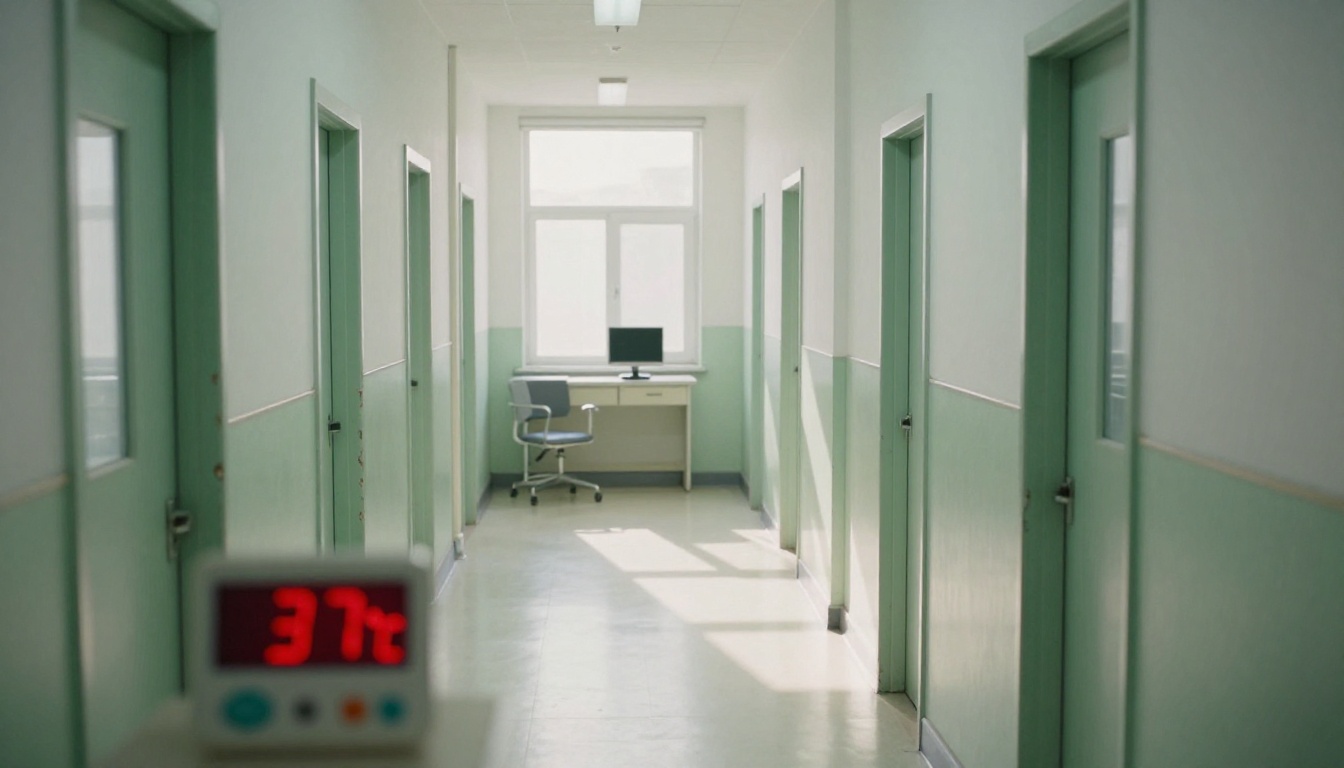
NHS heatwave cancellations now create major disruption across hospitals in the UK as extreme temperatures continue to strain healthcare services. Planned surgeries, diagnostic scans, and outpatient appointments are increasingly being postponed while hospitals prioritise emergency care and manage rising patient demand during periods of intense heat.
NHS heatwave cancellations now create ongoing pressure across UK hospitals, especially during peak summer temperatures.
Hospitals run by the National Health Service are facing growing operational pressure as heatwaves become more frequent and severe.
Why NHS Heatwave Cancellations Are Increasing
Heatwaves affect hospitals in multiple ways at the same time, forcing NHS trusts to make difficult decisions about which services can safely continue.
Key reasons include:
- Overheating hospital buildings
- Increased emergency admissions
- Strain on cooling and ventilation systems
- Reduced staff performance in extreme heat
- Risk to sensitive medical equipment
When these issues combine, hospitals prioritise urgent and life-saving care over non-emergency procedures.
How Heatwaves Disrupt Hospital Services
1. Surgeries and Operating Theatres Affected
Operating theatres require stable temperatures for safe surgery and infection control. During heatwaves:
- Air conditioning systems can struggle
- Infection control conditions may worsen
- Staff fatigue increases
- Equipment may overheat
As a result, non-urgent operations such as joint replacements are often postponed.
2. Diagnostic Scans and MRI Delays
MRI scanners and imaging systems depend on advanced cooling systems to function safely. When temperatures rise:
- Cooling systems become overloaded
- Machines may shut down automatically
- Appointment backlogs increase
This can delay important diagnoses, including cancer and neurological conditions.
3. Pressure on Emergency Departments
Heatwaves significantly increase emergency admissions. Common cases include:
- Heat exhaustion
- Dehydration
- Heatstroke
- Falls caused by dizziness
- Worsening heart and respiratory conditions
This surge forces hospitals to shift staff away from planned procedures.
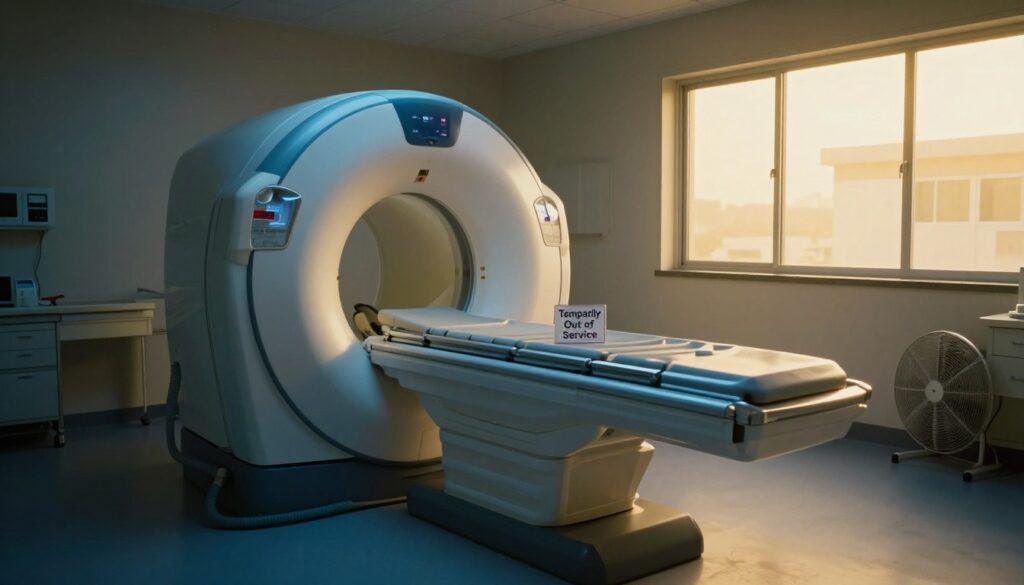
Critical Pressure on NHS Hospitals
In extreme cases, NHS trusts may declare a critical incident when normal operations cannot safely continue.
These NHS heatwave cancellations now create delays in both surgeries and diagnostic services when hospitals become overloaded.
This may happen due to:
- Simultaneous equipment failures
- Overcrowded emergency departments
- Staff shortages caused by heat-related stress
- IT system strain in server rooms
These combined pressures force hospitals to temporarily reduce non-urgent services.
Older Hospital Buildings Make the Problem Worse
Many NHS hospitals were built decades ago when extreme heatwaves were less common.
Older facilities often have:
- Limited insulation
- Outdated ventilation systems
- Poor airflow design
- Insufficient cooling infrastructure
As a result, wards can become uncomfortably warm, affecting both patients and staff.
Impact on Patients
Behind every cancelled appointment is a patient affected by:
- Delayed treatment or diagnosis
- Increased anxiety while waiting
- Time lost from work and family responsibilities
- Longer NHS waiting lists
While hospitals attempt to reschedule quickly, high demand often causes further delays.
What Patients Should Do During Heatwaves
Stay hydrated
Drink water regularly throughout the day, even if you don’t feel thirsty.
Keep indoor spaces cool
Close blinds during the day and ventilate rooms at night when safe.
Recognise heat illness symptoms
Warning signs include:
- Dizziness
- Headache
- Nausea
- Weakness
- Excessive sweating
Heatstroke is a medical emergency and requires immediate help.
Check NHS updates
Always check your local NHS trust website before attending appointments during extreme weather.
Review medications
Some medications may increase dehydration risk. Speak to a GP or pharmacist before making any changes.
NHS Response to Heatwaves
The NHS works with national public health bodies to issue heat-health alerts and activate emergency preparedness plans.
During heatwaves, hospitals may:
- Prioritise emergency care
- Delay elective procedures
- Monitor vulnerable patients more closely
- Reduce strain on hospital systems
These measures are designed to protect patient safety during extreme weather conditions.
NHS heatwave cancellations now create significant disruption across UK hospitals, affecting surgeries, diagnostics, and emergency care. As heatwaves become more frequent, the strain on healthcare infrastructure continues to grow.

While the NHS adapts with emergency planning and prioritisation systems, long-term investment in climate-resilient hospitals will be essential to ensure safe and reliable patient care in the future.
In the meantime, patients can reduce risk by staying hydrated, monitoring symptoms, and checking NHS updates before attending appointments during extreme heat.
Overall, NHS heatwave cancellations now create significant disruption across healthcare services during extreme weather events.













Post Comment