Oncology & Immunotherapy Breakthroughs
advanced skin cancer treatment 2026, best merkel cell carcinoma treatment, immunotherapy for skin cancer, merkel cell carcinoma, merkel cell carcinoma treatment, merkel cell carcinoma treatment 2026, merkel cell carcinoma treatment options, merkel cell carcinoma treatment uk, mhra approval 2026, pd-1 inhibitor, rare skin cancer, retifanlimab, what is merkel cell carcinoma, zynyz
Carolyn Stinnett
0 Comments
MHRA Retifanlimab Approval: A Major Breakthrough for Merkel Cell Carcinoma Treatment
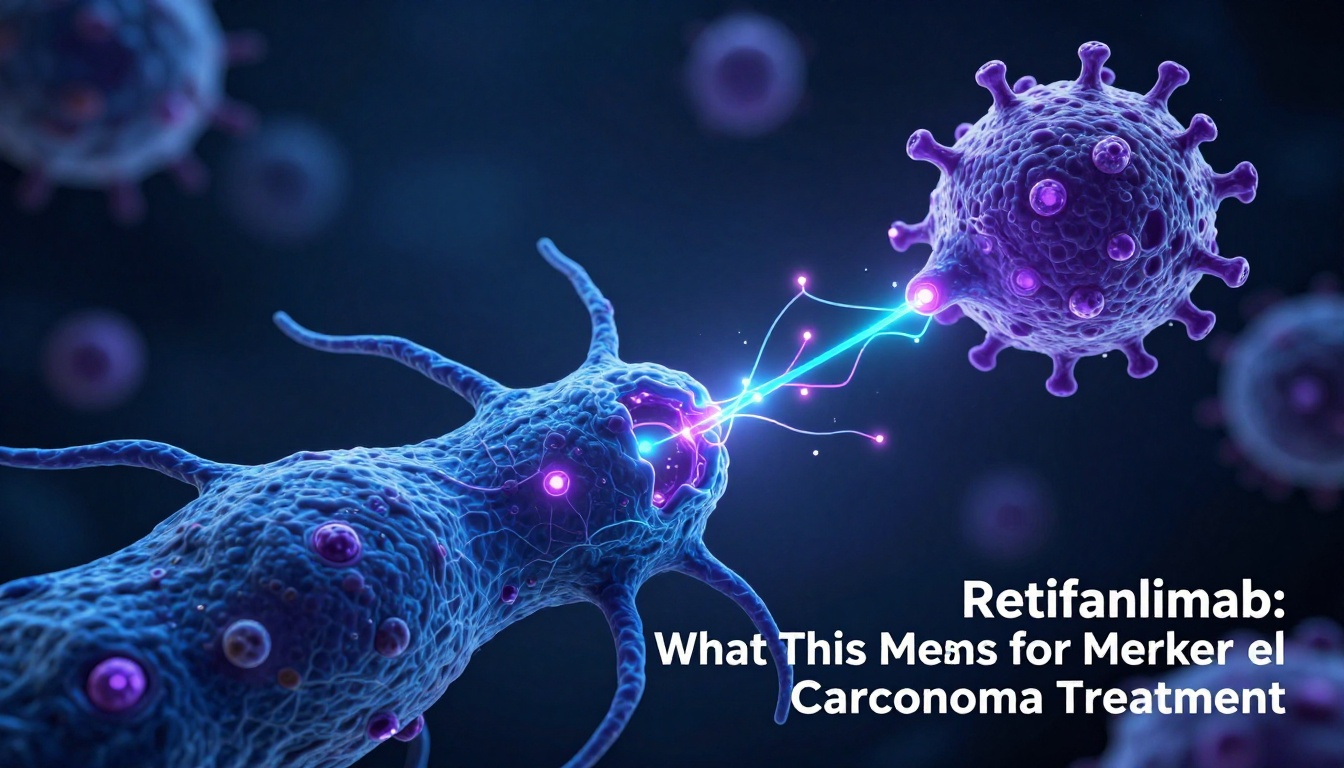
MHRA Retifanlimab Approval is one of the biggest medical breakthroughs for patients living with advanced Merkel cell carcinoma, a rare and aggressive form of skin cancer. For many years, treatment options were limited, especially after the disease spread beyond the skin. Now, the approval of retifanlimab by the UK’s Medicines and Healthcare products Regulatory Agency (MHRA) gives doctors a new and dedicated treatment option that could improve outcomes for many patients.
Retifanlimab is an immunotherapy medicine that helps the body’s immune system recognize and attack cancer cells. Clinical studies have shown encouraging results, with more than half of treated patients experiencing significant tumor shrinkage. Some patients even achieved a complete response, meaning no detectable cancer was seen on scans after treatment. While it is not a cure, this approval represents an important step forward in treating a disease that has long been difficult to manage.
In this article, we’ll explain what Merkel cell carcinoma is, why the MHRA Retifanlimab Approval matters, how the treatment works, its benefits, possible side effects, and what this decision means for patients across the UK.
What Is Merkel Cell Carcinoma?
Merkel cell carcinoma (MCC) is a rare but highly aggressive type of skin cancer. It develops from Merkel cells, which are found in the outer layer of the skin and help us sense light touch. Although uncommon, MCC grows quickly and can spread to nearby lymph nodes and other parts of the body if it is not detected early.
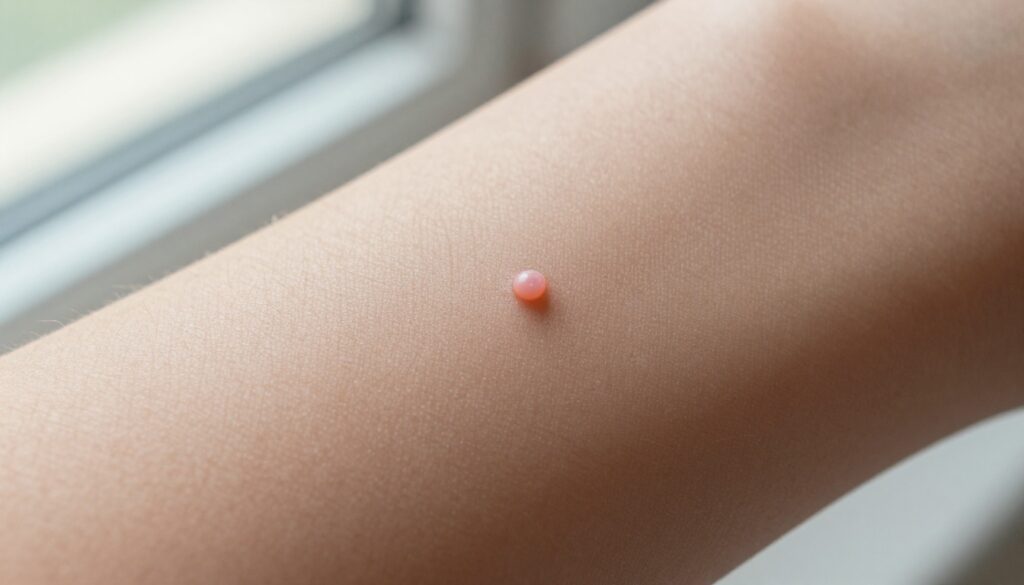
The disease often appears as a painless lump that may be pink, red, purple, or skin-colored. It usually develops on areas that receive a lot of sunlight, such as the face, neck, arms, or hands. Because the lump is often painless, many people do not seek medical advice immediately, allowing the cancer to progress.
Early diagnosis is extremely important. When detected before it spreads, surgery and radiation therapy can successfully treat many patients. However, once the cancer becomes advanced or metastatic, treatment becomes much more challenging.

Why the MHRA Retifanlimab Approval Is Important
The MHRA Retifanlimab Approval is a landmark decision because it provides the first licensed immunotherapy specifically approved in the UK for adults with advanced Merkel cell carcinoma that cannot be removed by surgery or treated with radiation.
Before this approval, chemotherapy was the standard treatment for advanced cases. While chemotherapy could temporarily shrink tumors, the cancer often returned within months, and many patients experienced difficult side effects such as fatigue, nausea, hair loss, and weakened immunity.
The approval of retifanlimab offers a new approach. Instead of directly attacking cancer cells like chemotherapy, it empowers the body’s immune system to recognize and destroy them. This strategy has already transformed treatment for cancers such as melanoma and lung cancer, and now it is bringing hope to patients with Merkel cell carcinoma.
How Retifanlimab Works
Retifanlimab is a type of immunotherapy known as a PD-1 inhibitor. Cancer cells often protect themselves by sending signals that stop the immune system from attacking them. This allows tumors to grow without being recognized as harmful.
Retifanlimab blocks these signals by targeting the PD-1 pathway on immune cells. Once this pathway is blocked, T-cells become active again and can identify and destroy cancer cells more effectively.
Unlike chemotherapy, which attacks both healthy and cancerous cells, immunotherapy works by strengthening the body’s natural defenses. This targeted approach often results in better long-term responses and improved quality of life for many patients.
Clinical Trial Results Show Promising Outcomes
One of the biggest reasons behind the MHRA Retifanlimab Approval is the encouraging success of the Phase II POD1UM-201 clinical trial. The study involved adults with advanced Merkel cell carcinoma who had not received previous systemic treatment for their disease.
The results gave doctors and researchers new confidence in using retifanlimab. More than half of the patients experienced significant tumor shrinkage after receiving the treatment. Even more encouraging, some patients achieved a complete response, meaning no detectable cancer was found on imaging scans during follow-up.
These findings are especially important because advanced Merkel cell carcinoma has historically been difficult to treat. While researchers continue to study how long these responses last, the trial clearly showed that retifanlimab can offer meaningful benefits for many patients.
Key Highlights from the Trial
- Over 50% of patients had tumor shrinkage.
- Some patients experienced complete disappearance of detectable cancer.
- Many responses lasted longer than expected with traditional chemotherapy.
- Patients generally tolerated the treatment well.
Benefits of Retifanlimab Compared with Chemotherapy
For many years, chemotherapy was the main treatment for advanced Merkel cell carcinoma. Although it could reduce tumor size, the benefits were often temporary, and the disease frequently returned.
Retifanlimab offers a different approach by helping the immune system fight cancer naturally.
Advantages of Retifanlimab
- Targets the immune system instead of directly attacking healthy cells.
- Offers longer-lasting responses for many patients.
- Causes fewer side effects than standard chemotherapy.
- Improves quality of life for many people.
- Requires treatment only once every four weeks through an IV infusion.
Because of these benefits, many oncologists see retifanlimab as an important step forward in the treatment of this rare cancer.
Possible Side Effects
Like all medicines, retifanlimab may cause side effects. However, many patients tolerate immunotherapy better than chemotherapy.
Some of the most common side effects include:
- Tiredness or fatigue
- Skin rash
- Itching
- Mild fever
- Joint or muscle pain
Since retifanlimab activates the immune system, it can sometimes cause the immune system to attack healthy organs. Less common but more serious side effects may affect the thyroid, lungs, liver, or intestines. For this reason, doctors closely monitor patients during treatment and can manage most side effects if detected early.
NHS Availability and Patient Access
Following the MHRA Retifanlimab Approval, NHS trusts across the UK are beginning to introduce the treatment into routine cancer care. Availability may differ between hospitals while local services complete the rollout.
Patients diagnosed with advanced Merkel cell carcinoma should speak with their oncology team about whether retifanlimab is suitable for their condition. Some specialist cancer centers may also offer clinical trials that combine retifanlimab with other promising immunotherapy treatments.
The approval provides hope that more patients will gain access to an effective treatment specifically designed for this rare disease.











Post Comment