Food Safety
artificial food dyes, childhood obesity, chronic disease prevention, diabetes prevention, dietary guidelines, food affordability, food policy, food regulation, health policy, MAHA, nutrition education, public health nutrition, SNAP reform, ultra-processed foods
Carolyn Stinnett
0 Comments
MAHA Food Policy Reforms: 7 Bold Changes Explained
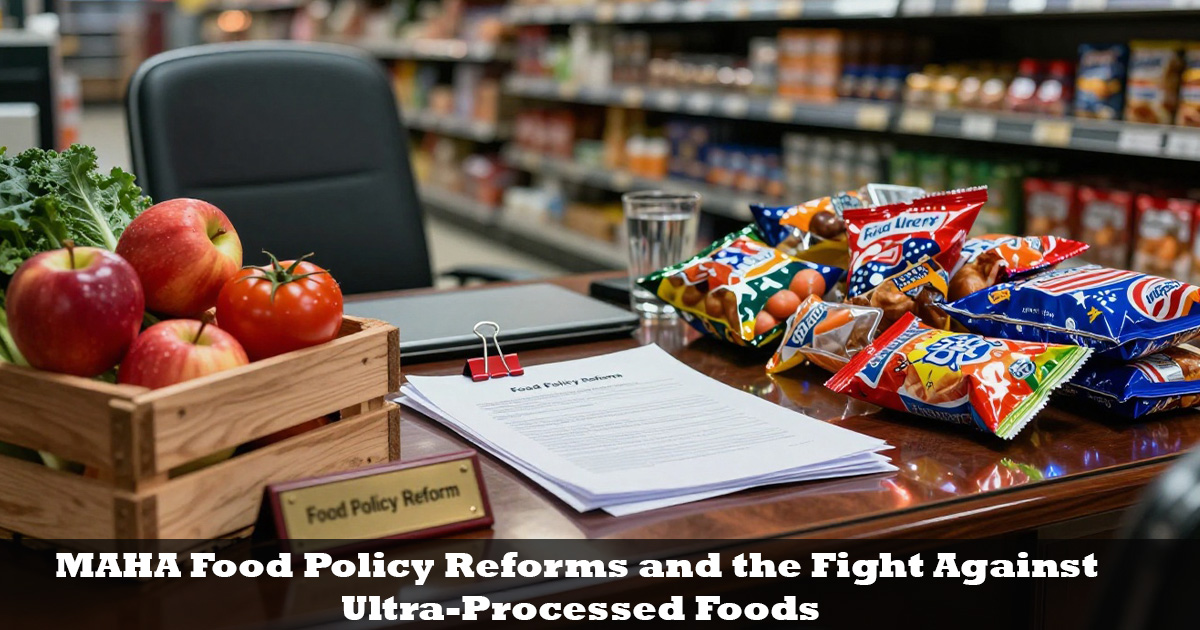
MAHA Food Policy Reforms and a Nation at a Crossroads
MAHA food policy reforms are quickly becoming one of the most debated health and nutrition topics in the United States. At the heart of the Make America Healthy Again (MAHA) movement lies a simple but powerful idea: the modern food system is deeply linked to rising chronic disease rates, and it needs urgent reform.
Walk into almost any supermarket, and the issue becomes obvious. Brightly packaged snacks, sugary drinks, and ultra-processed foods dominate shelves. They’re cheap, convenient, and heavily marketed—but they come with long-term health consequences that many families can no longer ignore.
The MAHA food policy reforms propose bold changes to tackle this issue at its root. From banning synthetic dyes to reshaping SNAP benefits and regulating ultra-processed foods, the movement is pushing for a major reset of how America eats.
But the debate is far from simple. While public health experts see opportunity, critics worry about affordability, accessibility, and unintended consequences. This tension defines the future of food policy in America.

What Are MAHA Food Policy Reforms?
The MAHA food policy reforms focus on reshaping the food environment rather than just telling people to “eat better.”
Instead of relying on personal responsibility alone, the reforms aim to:
- Restrict harmful food additives
- Reduce consumption of ultra-processed foods
- Adjust federal food assistance programs
- Encourage healthier product reformulation
At the core, the idea is simple: if unhealthy food is the cheapest and most accessible option, then health outcomes will never improve significantly.
Why MAHA Food Policy Reforms Matter Today
The urgency behind MAHA food policy reforms comes from rising chronic disease rates.
Conditions like:
- Type 2 diabetes
- Obesity
- Non-alcoholic fatty liver disease
- Cardiovascular issues
are increasingly appearing in younger populations.
This shift suggests that diet is not just a lifestyle factor—it is a structural health issue. The modern food environment is designed for convenience and shelf life, not long-term wellness.
That’s why policymakers are paying attention.

Synthetic Dye Regulations in MAHA Food Policy Reforms
One of the most discussed elements of MAHA food policy reforms is the push to regulate or ban synthetic food dyes such as Red 40, Yellow 5, and Blue 1.
These dyes are widely used in:
- Candy
- Breakfast cereals
- Soft drinks
- Snack foods
Some research suggests potential links between synthetic dyes and behavioral effects in sensitive children, leading several countries to adopt warning labels or restrictions.
Under MAHA proposals, the U.S. could move toward:
- Mandatory warning labels
- Full bans on certain dyes
- Pressure on manufacturers to switch to natural coloring
This would likely reshape product formulas across the food industry.
SNAP Restrictions and Behavioral Nutrition Shifts
Another major pillar of MAHA food policy reforms is the proposed restriction of SNAP benefits for sugary drinks and candy.
The logic is based on public health spending:
- SNAP funds support millions of low-income families
- Diet-related diseases cost billions in healthcare spending annually
Supporters argue that taxpayer-funded food assistance should prioritize nutrition, not ultra-processed sugar-heavy products.
Critics, however, raise concerns:
- Reduced choice for families
- Increased stigma
- Administrative complexity
This debate highlights the tension between public health goals and real-world economic constraints.
Ultra-Processed Foods Under MAHA Food Policy Reforms
A major focus of MAHA food policy reforms is the regulation of ultra-processed foods.
These are products that typically contain:
- Artificial flavors
- Preservatives
- Emulsifiers
- High levels of added sugar, salt, and fat
Examples include packaged snacks, frozen meals, and sugary cereals.
The concern is not just individual ingredients, but the overall food design, which encourages overconsumption.
Potential policy tools include:
- Front-of-pack warning labels
- Taxation on ultra-processed categories
- Marketing restrictions to children
Health Evidence Behind MAHA Food Policy Reforms
The scientific backing for MAHA food policy reforms comes from growing nutritional research.
Key findings include:
- High intake of ultra-processed foods is linked with obesity
- Excess sugar consumption contributes to metabolic disease
- Poor diet quality is associated with inflammation and chronic illness
While not every study proves direct causation, the overall pattern is consistent: diet quality strongly influences long-term health outcomes.
Importantly, many health professionals now agree that environment shapes eating behavior more than willpower alone.
Economic Concerns and Affordability Challenges
Despite health benefits, MAHA food policy reforms face serious economic questions.
Key concerns include:
- Higher food production costs
- Increased grocery prices
- Limited access to fresh food in low-income areas
- Time constraints for working families
For many households, processed foods are not a choice—they are a necessity based on cost, time, and availability.
Without structural support, reforms risk widening inequality rather than reducing disease.

Common Myths About Food Policy Reform
There are several misconceptions surrounding MAHA food policy reforms:
Myth 1: All processed food is bad
Not true. Frozen vegetables and canned beans are processed but nutritious.
Myth 2: Policy alone will fix health problems
Behavior change still matters. Policy is only one part of the solution.
Myth 3: Small changes don’t matter
Even minor dietary shifts can significantly improve long-term health outcomes.
What Families Can Do Right Now
While MAHA food policy reforms develop slowly, families can still take practical steps today:
- Replace sugary drinks with water or unsweetened alternatives
- Choose lower-sugar breakfast options
- Reduce ultra-processed snacks gradually
- Cook simple meals in batches
- Focus on small, consistent improvements
These changes don’t require perfection—just consistency.













Post Comment