Uncategorized
best botox safety guide, botox complications explained, botulinum toxin 2026, botulinum toxin safety warnings, botulinum toxin safety warnings 2026, botulinum toxin safety warnings guide, botulism after botox injection, cosmetic injection safety, how common is botulism after botox injection, iatrogenic botulism symptoms, mhra botulinum toxin warning, uk botox warning, what is botulism after botox injection
Carolyn Stinnett
0 Comments
Botulinum Toxin Safety Warnings: 6 Vital Facts for 2026
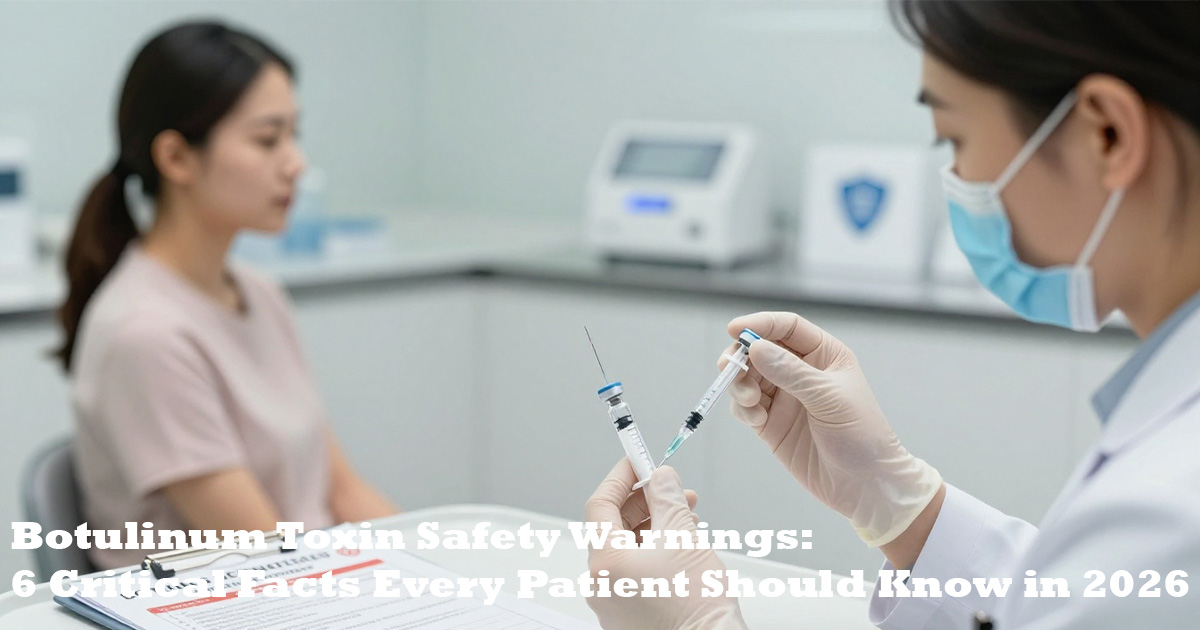
Botulinum toxin safety warnings have become a major talking point after rare cases of botulism linked to unsafe injections raised concerns across the UK.
For many people, treatments involving botulinum toxin have become part of normal beauty and medical routines. They are used for reducing wrinkles, managing muscle conditions, treating migraines, and improving quality of life for many patients.
However, recent events have reminded both patients and practitioners that these treatments require proper medical standards. Botulinum toxin is powerful. When it is correctly manufactured, stored, prescribed, and injected by trained professionals, it has a strong safety record. When those standards are ignored, serious problems can occur.
The updated guidance from UK regulators highlights an important message: injectable treatments should never be treated like ordinary beauty services. They involve a medical substance that affects nerve signals and muscle activity.
Understanding the facts can help patients make safer choices without unnecessary fear.
Botulinum toxin safety warnings: What the UK update means
The latest botulinum toxin safety warnings from UK health authorities focus on the possibility of rare but serious complications after treatment.
The concern is not that every person receiving botulinum toxin is at high risk. Serious reactions remain uncommon, especially when licensed products are used correctly. The concern is that problems can happen when people receive injections from unqualified providers or when products come from unreliable sources.
Botulinum toxin works by temporarily blocking signals between nerves and muscles. This effect is useful because it relaxes targeted muscles. However, if the toxin spreads beyond the intended area, it may affect other muscles.
In rare situations, this can lead to symptoms linked to botulism, including problems with:
- Swallowing
- Speaking
- Breathing
- General muscle strength
The main purpose of the updated warnings is early awareness. Recognizing symptoms quickly can make a significant difference.
How common is botulism after Botox treatment?
One of the biggest questions people ask is whether Botox-related botulism is common.
The short answer is no. Serious complications are rare. Millions of botulinum toxin treatments are performed worldwide every year with many patients experiencing safe and positive results.
However, a cluster of cases in England highlighted the dangers of unlicensed or counterfeit products. These cases involved injections that were not supplied through normal regulated medical channels.
This distinction matters.
A licensed product used by a qualified professional follows strict rules around:
- Manufacturing quality
- Dosage accuracy
- Storage conditions
- Product tracking
- Patient assessment
An unknown product purchased online may not have the same protections.
A low price or quick appointment may seem attractive, but medical treatments should never be judged only by cost. Saving money on an injection is not worth risking your health.

Botulinum toxin safety warnings highlight the danger of unlicensed products
One of the strongest messages in the new guidance is the importance of avoiding unlicensed products.
The internet has made it easier for people to find cheap cosmetic treatments. Social media advertisements often promote discounted injections, home visits, or “special offers” that create pressure to book quickly.
This is where patients need to slow down and ask questions.
A professional provider should be able to explain:
- What product is being used
- Who manufactured it
- Whether it is approved for use
- How much will be injected
- What possible side effects may occur
A sealed box or professional-looking packaging does not always guarantee safety. Counterfeit medical products can look convincing.
A trustworthy clinic should welcome questions rather than avoid them.
The warning signs you should never ignore after treatment
Another important part of the new botulinum toxin safety warnings is understanding symptoms that require medical attention.
Some side effects after treatment can be mild. Temporary redness, swelling, or small bruises around the injection area are common.
However, certain symptoms should not be ignored, especially if they appear days or weeks after treatment.
Seek medical advice if you experience:
- Difficulty swallowing
- A weak or unusual voice
- Slurred speech
- Breathing problems
- Drooping eyelids
- Double vision
- Increasing muscle weakness
- Heavy feelings in the arms or legs
Symptoms may not appear immediately. In some cases, problems can develop over several weeks after an injection.
Many people assume symptoms such as tiredness or voice changes are caused by stress, a cold, or lack of sleep. After botulinum toxin treatment, unusual neurological symptoms deserve attention.
Early action can prevent complications from becoming more serious.

How patients can stay safer before and after injections
Choosing the right practitioner is one of the most important safety decisions you can make.
Before treatment, consider asking:
- Is the product licensed and approved?
- Who will perform the injection?
- Are they properly trained?
- Can they explain possible risks?
- Will there be a proper consultation first?
A responsible provider should never rush you into treatment.
Be cautious if a service:
- Offers unusually cheap prices
- Refuses to discuss the product used
- Has no proper consultation process
- Operates in unsuitable locations
- Makes unrealistic promises
After treatment, follow all aftercare instructions. Monitor your health and contact a medical professional if something feels unusual.
The goal of botulinum toxin safety warnings is not to discourage safe treatment. It is to encourage better decisions.
Why cosmetic injections need medical respect
For years, some people have viewed Botox treatments as simple beauty appointments.
That mindset can create problems.
Although cosmetic injections are common, botulinum toxin is still a medical substance. It affects the nervous system and requires knowledge, skill, and responsibility.
A qualified injector understands:
- Facial anatomy
- Correct dosage
- Injection techniques
- Possible complications
- Patient suitability
The treatment itself is not the enemy. Unsafe practices are the real concern.
Many patients rely on botulinum toxin for medical reasons, including muscle disorders and chronic conditions. The answer is not avoiding treatment completely. The answer is improving safety standards and patient awareness.
Botulinum toxin safety warnings and the future of aesthetic medicine
The conversation around botulinum toxin safety warnings represents a wider change in the aesthetics industry.
Patients are becoming more informed. Regulators are paying closer attention. Responsible clinics are focusing more on education, transparency, and professional standards.
The future of cosmetic medicine depends on trust.

Patients should feel comfortable asking questions. Practitioners should prioritize safety over sales. Regulators should continue monitoring risks and improving guidance.
When everyone involved takes responsibility, treatments can remain both effective and safer.
Botulinum toxin safety warnings serve as an important reminder that even popular cosmetic treatments deserve careful consideration.
Botulinum toxin has helped many people achieve medical and cosmetic benefits. When used correctly by qualified professionals with approved products, it remains a valuable treatment option.
The biggest risks often come from unsafe shortcuts: unlicensed products, inexperienced injectors, and decisions based only on price.
Before any injection, research your provider, ask questions, and understand the possible risks. Your health should always come before convenience.
The most important lesson from recent UK cases is simple: safe treatment starts with informed choices.














Post Comment