Food Safety
cyclospora contaminated food produce, cyclospora diarrhea, cyclospora guide, cyclospora outbreak, cyclospora outbreak 2026, cyclospora outbreak explained, cyclospora parasite, cyclospora symptoms diarrhea, cyclospora treatment, foodborne illness outbreak, fresh produce safety, how to prevent cyclospora infection, restaurant food safety, what is cyclospora
Carolyn Stinnett
0 Comments
Cyclospora Outbreak: 5 Critical Facts Every Diner Should Know Before Eating Out in 2026
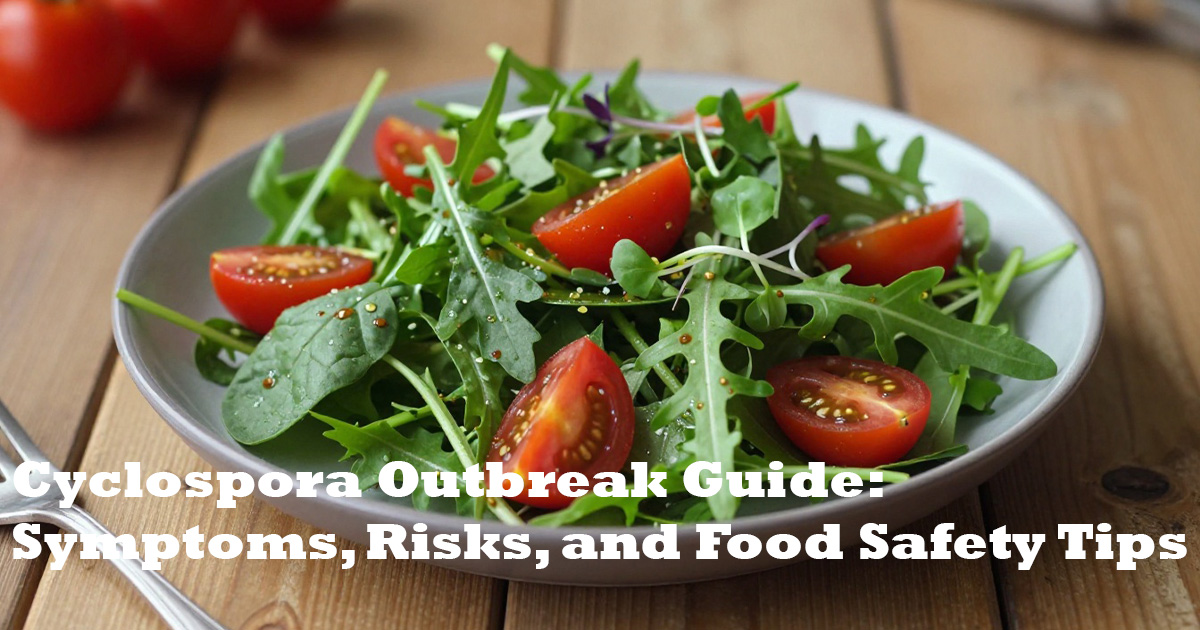
Food should be something you enjoy—not something you worry about. Yet the Cyclospora outbreak reported across the United States has raised understandable questions for people who regularly eat at restaurants or enjoy fresh produce.
As of early July 2026, more than 30 states have reported confirmed cases, with hundreds of illnesses and dozens of hospitalizations. Health officials continue investigating the source, and while there’s no reason to panic, staying informed can help you make smarter dining choices.
The good news is that most people can continue eating out safely by following a few practical precautions. Understanding how Cyclospora spreads, recognizing symptoms early, and knowing which foods carry a higher risk can make a real difference.
This guide explains everything restaurant customers should know about the current outbreak in simple, easy-to-understand language.
Although the Cyclospora outbreak continues to make headlines, health experts emphasize that informed decisions are more effective than fear. Understanding how the Cyclospora outbreak spreads can help diners reduce their risk while continuing to enjoy restaurant meals.
What Is Cyclospora and How Is It Linked to the Cyclospora Outbreak?
Cyclospora is a microscopic parasite that causes an intestinal illness known as cyclosporiasis. Unlike bacteria such as Salmonella or E. coli, this parasite behaves differently and has a much longer incubation period.
People usually become infected after eating fresh produce contaminated during growing, harvesting, or processing. Common foods linked to previous outbreaks include:
- Fresh cilantro
- Basil
- Lettuce
- Mixed salad greens
- Raspberries
After entering the digestive system, the parasite settles in the small intestine, where it causes inflammation and digestive problems.
An important fact is that Cyclospora does not spread directly from one person to another through casual contact. The parasite needs time in the environment before it becomes infectious, making contaminated food or water the primary source of outbreaks.
Why the 2026 Cyclospora Outbreak Matters
The current Cyclospora outbreak is unusual because investigators have not yet identified a single restaurant chain, farm, supplier, or distributor responsible for the illnesses.
According to public health officials, more than 30 states have reported confirmed infections, and the number of diagnosed cases continues to grow as laboratory testing improves.
Experts also believe the actual number of infections is much higher because many people mistake the illness for a routine stomach bug and never seek medical testing.
This delayed diagnosis makes tracking the outbreak especially challenging.
Cyclospora Outbreak vs. Typical Food Poisoning: What’s the Difference?
One of the biggest misconceptions is assuming Cyclospora behaves like ordinary food poisoning.
Most foodborne illnesses appear within a few hours after eating contaminated food. Cyclospora works much more slowly.
Symptoms generally begin about one week after exposure, although they can appear anywhere from two days to two weeks later.
Because of this delay, many people struggle to remember what they ate, making outbreak investigations far more difficult.
Unlike many bacterial infections, standard antibiotics won’t eliminate the parasite. Doctors usually prescribe a medication called trimethoprim-sulfamethoxazole, which is considered the most effective treatment for most patients.
Recognizing the difference between Cyclospora and common food poisoning helps people seek the right medical care sooner.

Cyclospora Outbreak Symptoms Often Take Days to Appear
The most common symptom is persistent watery diarrhea.
Unlike a brief stomach upset, Cyclospora infections can last for weeks if left untreated.
Other symptoms may include:
- Frequent diarrhea
- Loss of appetite
- Weight loss
- Fatigue
- Stomach cramps
- Bloating
- Nausea
- Low-grade fever
Some people experience symptoms that improve temporarily before returning again, which can make diagnosis even more confusing.
If you’ve eaten fresh produce or dined out recently and develop watery diarrhea lasting more than three days, healthcare professionals recommend discussing your symptoms with a doctor.
A routine stool test may not detect Cyclospora, so your healthcare provider may need to order a specialized stool examination specifically designed to identify parasites.
Early diagnosis often shortens recovery time and also helps public health investigators identify additional cases connected to the ongoing outbreak.
Why the Cyclospora Outbreak Is So Difficult to Trace
One reason the current Cyclospora outbreak has attracted attention is that investigators have not yet identified a single source. Unlike some foodborne illnesses that can quickly be linked to one restaurant or food product, Cyclospora presents unique challenges.
The parasite has a long incubation period. Most people don’t develop symptoms until about a week after exposure. By then, remembering every meal, salad, or garnish eaten days earlier can be nearly impossible.
Fresh produce also travels through a complex supply chain. A single restaurant may receive lettuce, herbs, or vegetables from multiple farms and distributors. If contamination occurs anywhere along that chain, tracing it back takes time.
Previous outbreaks have been linked to imported raspberries, basil, cilantro, and leafy greens. However, health officials have not confirmed that any specific food or supplier is responsible for the 2026 cases.
Until investigators identify the source, it’s wise to stay informed without assuming any one restaurant or grocery store is unsafe.
Washing Produce During the Cyclospora Outbreak Doesn’t Always Eliminate the Risk
Many people believe washing vegetables completely removes harmful germs. While rinsing fresh produce is an important food safety habit, it doesn’t guarantee protection against Cyclospora.
The parasite produces tiny structures called oocysts that can cling tightly to the surface of fruits and vegetables. Running water helps reduce dirt and some contaminants, but it may not remove every parasite.
Food safety experts generally recommend:
- Rinse produce thoroughly under clean running water.
- Separate leafy greens to wash every surface.
- Scrub firm fruits and vegetables with a clean produce brush.
- Avoid washing produce with soap or detergent, as residue can remain on the food.
- Keep raw produce separate from raw meat and seafood to prevent additional contamination.
Cooking is one of the most reliable ways to destroy many foodborne parasites. If you’re pregnant, have a weakened immune system, or are at higher risk of complications, choosing cooked vegetables instead of raw salads may be a sensible temporary precaution until the investigation is complete.

Smart Dining Habits During the Cyclospora Outbreak Can Help Reduce Your Risk
The ongoing Cyclospora outbreak doesn’t mean you need to stop enjoying restaurants. Instead, a few practical choices can help lower your risk while health officials continue their investigation.
Choose Cooked Foods More Often
Heat destroys many harmful organisms. Grilled, roasted, steamed, or sautéed vegetables may be a safer option than raw salads during an active outbreak.
Be Mindful of Fresh Herb Garnishes
Fresh cilantro, basil, parsley, and similar herbs have been associated with previous Cyclospora outbreaks. If you’re concerned, consider asking for your meal without fresh herb garnishes.
Practice Good Hand Hygiene
Wash your hands with soap and water before eating, especially after touching menus, door handles, or shared surfaces.
Hand sanitizer is useful for many germs but is not considered a reliable substitute for proper handwashing when it comes to foodborne parasites.
Stay Informed
Follow updates from trusted public health agencies as new information becomes available. Once investigators identify the contamination source, recommendations may change.
Practical Tips to Protect Yourself
Reducing your risk doesn’t require major lifestyle changes. Consider these simple habits:
- Wash fruits and vegetables thoroughly before eating.
- Refrigerate fresh produce promptly.
- Avoid eating spoiled or damaged produce.
- Choose reputable restaurants that follow good food safety practices.
- Drink safe, clean water when traveling.
- Seek medical advice if diarrhea lasts more than three days.
These small steps can help lower your exposure to many foodborne illnesses—not just Cyclospora.

Frequently Asked Questions
Can Cyclospora spread from person to person?
No. Unlike many viruses, Cyclospora does not spread through casual contact. The parasite must mature in the environment before it becomes infectious.
How long does Cyclospora last?
Without treatment, symptoms can continue for several weeks and may come and go. Appropriate medical treatment often shortens recovery.
Should I stop eating salads?
Not necessarily. Health officials have not advised people to avoid all fresh produce. If you’re concerned or have a higher risk of severe illness, choosing cooked vegetables temporarily may provide extra peace of mind.
When should I see a doctor?
Seek medical attention if you experience persistent watery diarrhea, dehydration, severe abdominal pain, or symptoms lasting longer than a few days—especially after eating raw produce or dining out.













Post Comment