hantavirus pulmonary syndrome
The Andes Hantavirus Cruise Ship Outbreak
andes virus cruise ship, andes virus transmission, cdc hantavirus update, cruise ship virus news, emerging infectious diseases, hantavirus outbreak, hantavirus prevention, hantavirus pulmonary syndrome, hantavirus risk assessment, hantavirus symptoms, orthohantavirus, public health alert, rodent-borne illness, travel health advisory, who disease outbreak news
Carolyn Stinnett
0 Comments
Andes Virus Cruise Ship Outbreak: 13 Shocking Cases Explained

Public Health & Virus Updates –
The Andes Hantavirus Cruise Ship Outbreak: What Happened and What It Means
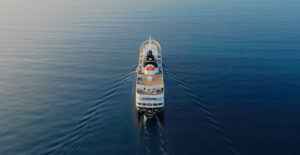
Thirteen cases. Three dead. Over 600 contacts traced across more than 30 countries. A Holland America Line cruise, the M/V Hondius, turned into the site of an Andes virus outbreak — a rare hantavirus normally confined to parts of South America. The numbers sound alarming, and they are. But the details matter, and they do not point to a broader threat.
Person-to-person transmission
Most hantaviruses are dead-end infections for humans. Sin Nombre virus, the usual cause of hantavirus pulmonary syndrome in the U.S., doesn’t jump between people. Andes virus does. It’s the only hantavirus known to transmit from person to person, and that’s why the CDC and WHO moved fast. On a ship, with close quarters and shared ventilation, the possibility of sustained spread was a real worry.
A Dutch ornithologist was the first patient. He likely got infected on land before boarding, then fell ill and died on April 11. His wife became sick two weeks later and died within 48 hours. Sequencing confirmed near-identical virus strains, pointing directly to human-to-human transmission in that cabin. The case fatality rate in this cluster sits around 23%. Historically, Andes virus outbreaks in Argentina and Chile have been as high as 40-50%, especially in older adults. The average passenger age on the Hondius was 65. That matters.
Not like COVID-19
People ask if this is the next pandemic. I get the reflex. We’re all a little scarred from 2020. The virology, though, tells a very different story. The effective reproduction number for this outbreak was estimated at 0.7 as of late May. Anything below 1.0 means transmission is declining, not growing. Measles can hit an Rt of 12 to 18. COVID-19’s original strain was around 2.5 to 3. The WHO’s consistent phrasing has been “limited human-to-human transmission.” It takes prolonged, close contact. Household clusters have happened; a cruise-ship cabin qualifies. A casual interaction in a grocery store does not. Early on, a WHO official put it bluntly: “This is an outbreak on a ship, not another COVID-19.”
Hantavirus outbreak linked to cruise ship travel, Multi-locations
Hantavirus species and transmission routes

When news of a hantavirus outbreak breaks, many readers lump every strain together. That leads to confusion. Old World hantaviruses like Hantaan and Puumala cause hemorrhagic fever with renal syndrome — found in Europe and Asia. They don’t spread between humans.
New World hantaviruses like Sin Nombre, Bayou, and Black Creek Canal virus, which are endemic to the United States, cause hantavirus pulmonary syndrome. They also don’t spread between people. The transmission always starts with rodents, usually when someone inhales aerosolized virus from urine or droppings.
Andes virus is the lone exception. It’s endemic to Argentina and Chile, carried by the long-tailed pygmy rice rat, a species that doesn’t range into the United States. So the risk to the American public, per the CDC, is extremely low unless you were on that specific ship or had direct close contact with a confirmed case. A few suspected cases among returning passengers in the U.S. were tested, and all came back negative.
Practical guidance
If you or a family member traveled on the M/V Hondius, public health authorities are likely already tracking you. High-risk contacts are being quarantined for up to 42 days — the outer edge of the virus’s incubation period, based on past outbreak data. The mean incubation is about 22 days, but the 42-day window gives a 96% probability of safe release. It’s long and inconvenient, and it’s also prudent.

Know the early symptoms: Andes virus usually starts with fever, muscle aches, and fatigue. That’s flu-like stuff. Within days, that can progress to coughing, shortness of breath, and a sensation of drowning in fluid as the lungs fill. No specific antiviral exists. Treatment is supportive: oxygen, careful fluid management, and, in severe cases, mechanical ventilation or ECMO. Early recognition and fast transfer to an ICU-level facility improve survival significantly.
For everyone else, there’s no reason to change daily life. The global risk is assessed as low by the WHO. Basic hantavirus precautions still apply if you’re in a rural area with rodent infestations. Ventilate enclosed spaces before cleaning. Wet down droppings with a bleach solution. And never sweep or vacuum dry waste. That’s good advice no matter the news cycle.
Aggressive contact tracing
With only 13 cases and a low global risk, placing 600 people under active contact tracing might seem like overkill. It isn’t. The exact ways Andes virus transmits (respiratory droplets, fomites on surfaces, short-range aerosols) are still being sorted out. Preliminary genetic work shows the virus sequences are nearly identical across cases, which confirms a single spillover event.
But on a ship with shared air handling and endless communal surfaces, proving which route dominated is tough. Health authorities are working on a precautionary principle: isolate cases and quarantine high-risk contacts, while monitoring low-risk ones. The aim is containment. Not because the world is at risk, but because if someone boards a plane while infectious, the ripple effects become a logistical headache.
And let’s not ignore what’s right in front of us: the passengers were older, and there’s no specific treatment. If you’re 65 and develop Andes virus hantavirus pulmonary syndrome, the odds are not in your favor. That’s not alarmism; it’s just the clinical facts.
The response was coordinated and, by most measures, impressive. Labs in South Africa, the Netherlands, and the U.S. worked together. The WHO published technical guidance on ship disembarkation, contact management, and clinical care within weeks. The three additional cases confirmed after docking (in Canada, the Netherlands, and Spain) were all found through routine weekly testing of high-risk contacts. They weren’t surprises. They were expected. That’s the system doing its job.
The primary source of the outbreak is still under investigation. Rodent exposure during recreational activities in South America remains the leading hypothesis for the index case. Environmental samples from the ship are being analyzed; results are due by August. For now, the 42-day quarantine for high-risk contacts continues.










Post Comment