Drug-Resistant Shigella: 7 Alarming Signs of This Dangerous Infection You Shouldn’t Ignore
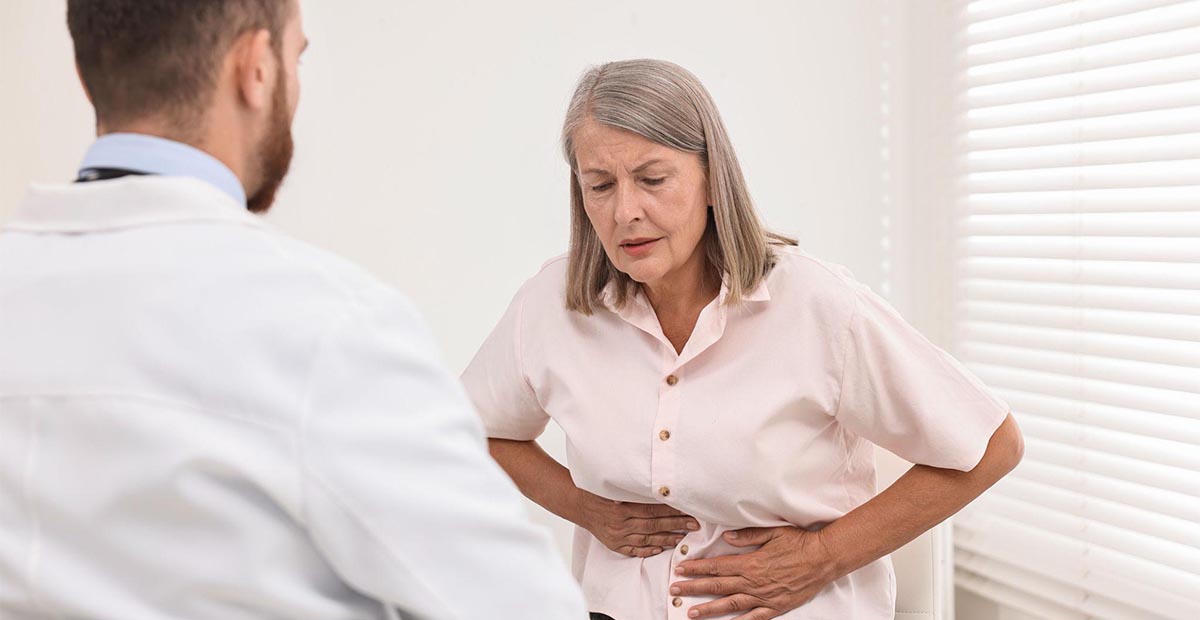
What Is Drug-Resistant Shigella and Why Is It So Dangerous?
Understanding Shigella Infection Basics
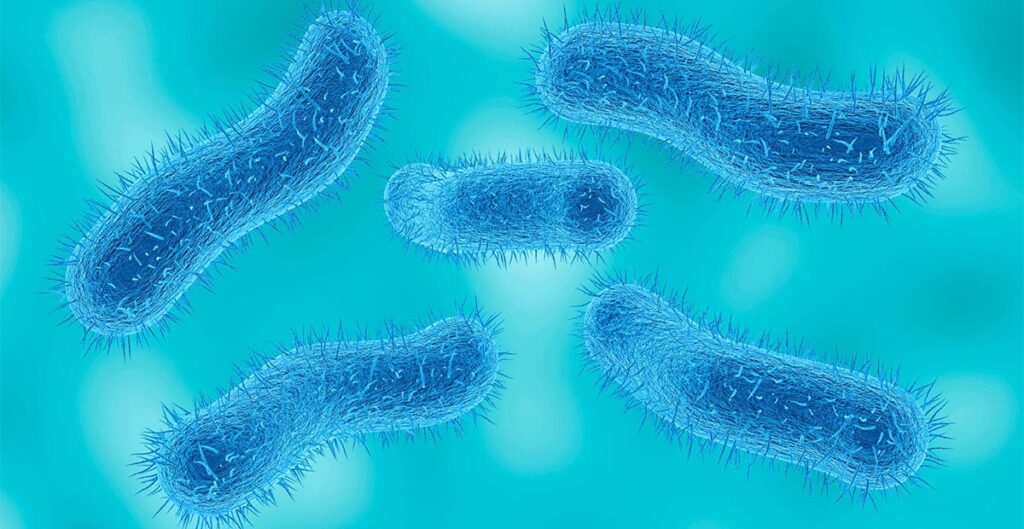
In recent years, drug-resistant shigella has emerged as a growing global health threat, raising serious concerns among medical experts and public health authorities. This bacterial infection, caused by the Shigella species, primarily affects the digestive system and spreads easily through contaminated food, water, or direct contact.
What makes Dangerous Infection especially dangerous is its ability to survive even after treatment with commonly used antibiotics. This means infections can last longer, become more severe, and increase the risk of complications. As antibiotic resistance continues to rise worldwide, infections that were once easily treatable are now becoming harder to manage.
Understanding this condition is the first step toward protecting yourself and your loved ones from its potentially serious consequences.
How Drug-Resistant Shigella Spreads So Quickly
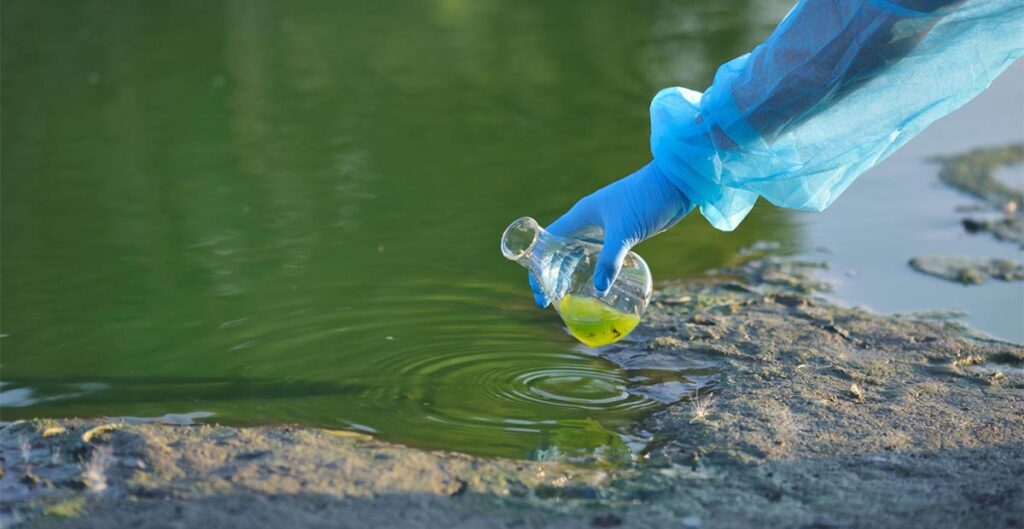
The rapid spread of Dangerous Infection is one of the main reasons it has become such a serious public health concern. The bacteria are highly contagious and require only a small number of organisms to cause infection.
Common Transmission Routes You Should Know
- Consuming contaminated food or water
- Poor hand hygiene after using the restroom
- Direct contact with an infected person
- Exposure in daycare centers or crowded environments
High-Risk Environments for Infection
Places with limited sanitation facilities or high population density are hotspots for drug-resistant shigella transmission. This includes schools, public transport systems, and areas affected by poor water quality.
How Poor Hygiene Increases the Risk
Failing to wash hands properly after using the toilet or before handling food significantly increases the risk of infection. Even a small lapse in hygiene can lead to exposure to Dangerous Infection, making prevention essential.
7 Alarming Signs of Drug-Resistant Shigella You Shouldn’t Ignore
Recognizing the symptoms of Dangerous Infection early can help prevent complications and ensure timely medical intervention.
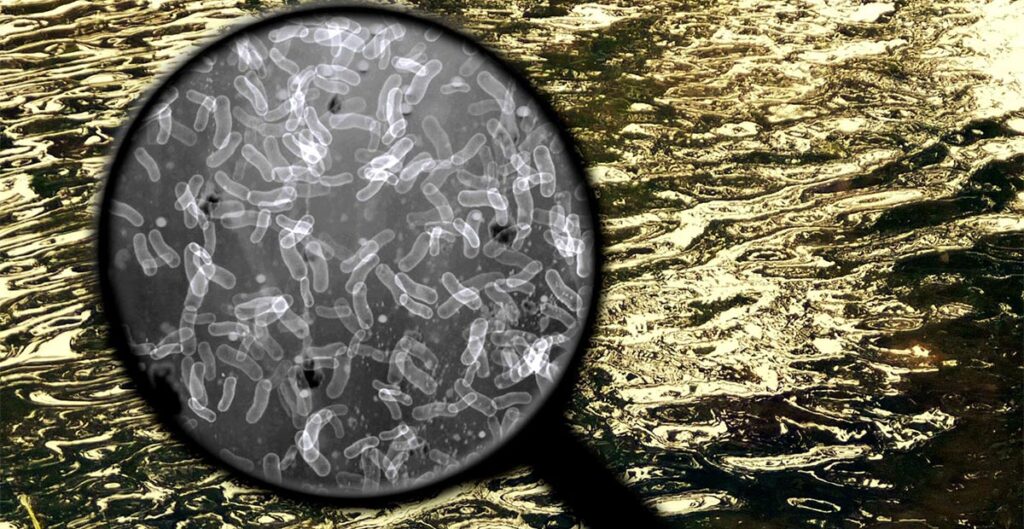
1. Persistent Diarrhea That Doesn’t Improve
One of the most common symptoms is diarrhea that continues for several days without improvement. Unlike typical infections, drug-resistant shigella may not respond to standard treatments.
2. Severe Abdominal Pain and Cramping
Patients often experience intense stomach cramps due to inflammation in the intestines caused by drug-resistant shigella.
3. High Fever That Lasts for Days
A prolonged fever is a sign that the body is fighting a persistent infection. In cases of drug-resistant shigella, the fever may not subside easily.
4. Blood or Mucus in Stool
This is a serious symptom indicating damage to the intestinal lining and should never be ignored.
5. Extreme Fatigue and Weakness
The body becomes exhausted as it tries to fight off the infection, leading to significant weakness.
6. Nausea and Vomiting
These symptoms can worsen dehydration and make recovery more difficult.
7. Signs of Dehydration and Electrolyte Imbalance
Dry mouth, dizziness, and reduced urination are warning signs that the infection is affecting the body’s fluid balance.
Why Drug-Resistant Shigella Is Harder to Treat
Treating drug-resistant shigella is more challenging than traditional bacterial infections because standard antibiotics may no longer be effective.
Antibiotic Resistance Explained
Overuse and misuse of antibiotics have allowed bacteria like Shigella to evolve resistance. This makes drug-resistant shigella a difficult condition to manage.
Challenges Doctors Face in Treatment
Doctors often need to rely on alternative medications, which may be less effective, more expensive, or have stronger side effects.
When Hospitalization Becomes Necessary
Severe cases of Dangerous Infection may require hospitalization, especially if the patient is dehydrated or at risk of complications.
Who Is Most at Risk of Drug-Resistant Shigella Infection?
Certain groups are more vulnerable to drug-resistant shigella and should take extra precautions.
Children and Elderly Individuals
Young children and older adults have weaker immune systems, making them more susceptible.
People with Weak Immune Systems
Individuals with chronic illnesses or compromised immunity face higher risks.
Travelers and People in Crowded Areas
Traveling to regions with poor sanitation increases exposure to drug-resistant shigella.
How to Prevent Drug-Resistant Shigella Effectively
Prevention is the best defense against drug-resistant shigella.
Proper Handwashing Techniques
Wash hands with soap and water for at least 20 seconds, especially after using the restroom and before eating.
Safe Food and Water Practices
- Avoid consuming untreated water
- Eat freshly cooked meals
- Wash fruits and vegetables thoroughly
Hygiene Habits That Can Save Your Life
Maintaining good personal hygiene significantly reduces the risk of contracting Dangerous Infection.
When Should You See a Doctor Immediately?
While mild cases may resolve on their own, drug-resistant shigella can become severe if left untreated.
Warning Signs That Require Urgent Care
- Persistent high fever
- Blood in stool
- Severe dehydration
Complications You Should Never Ignore
Untreated infections can lead to serious complications such as kidney problems and intestinal damage.
Importance of Early Diagnosis
Early medical attention can prevent the infection from worsening and improve recovery outcomes.
Final Thoughts on Drug-Resistant Shigella Awareness
Raising awareness about Dangerous Infection is crucial in preventing its spread and reducing its impact. As antibiotic resistance continues to rise, individuals must take responsibility for maintaining hygiene and seeking timely medical care.
Why Awareness Can Save Lives
Understanding how Dangerous Infection spreads and recognizing its symptoms can make a life-saving difference.
Simple Steps to Stay Protected
- Practice good hygiene
- Stay informed about outbreaks
- Avoid unnecessary antibiotic use
Staying Informed in 2026 and Beyond
As global health challenges evolve, staying updated on infections like Dangerous Infection is essential for protecting yourself and your community.
CDC Warns About Drug-Resistant Shigella: What to Know
Drug-Resistant Shigella Outbreak: 8 Warning Signs You Should Never Ignore












Post Comment