Doctors Are Warning About These 7 Habits in 2026
Why Doctors Are Raising Red Flags in 2026
The Rise of Lifestyle-Driven Health Issues

In 2026, healthcare professionals across the world are sounding the alarm louder than ever before. The phrase Doctors Are Warning About modern lifestyle habits is no longer just a headline—it’s a reality backed by research, rising disease rates, and everyday clinical observations. From young adults to older populations, people are facing health issues earlier than ever, and much of it traces back to daily habits we often ignore.
What makes this situation more concerning is that many of these habits feel “normal.” Scrolling late into the night, skipping meals, sitting for hours, or dealing with constant stress has become part of modern life. However, Doctors Are Warning About the long-term consequences of these seemingly harmless routines.
This article dives deep into the 7 most dangerous habits in 2026, explaining why they matter and how you can fix them before they take a serious toll on your health.

1: Constant Screen Exposure Is Damaging Your Brain
How Blue Light Affects Sleep and Mental Health
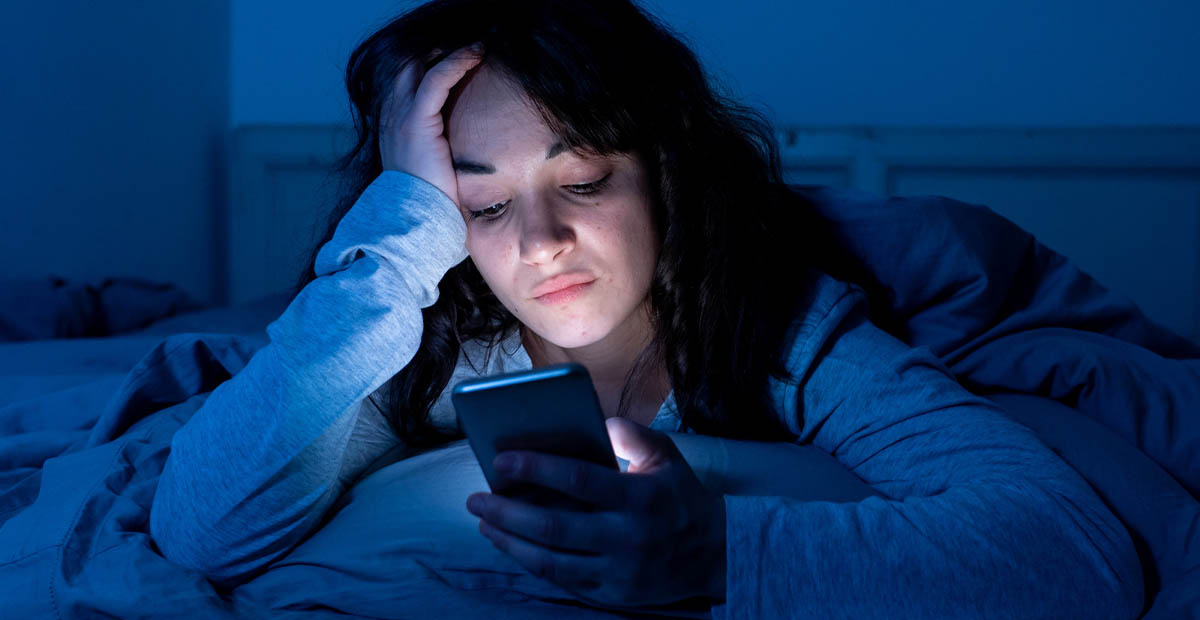
One of the top issues Doctors Are Warning About is excessive screen exposure. Smartphones, laptops, and TVs emit blue light that interferes with melatonin production—the hormone responsible for sleep. As a result, your sleep cycle becomes disrupted, leading to poor rest and fatigue.
The Hidden Link Between Screen Time and Anxiety
Excessive screen time is also linked to increased anxiety and depression. Social media comparisons, information overload, and constant notifications keep your brain in a hyperactive state.
Simple Fixes Doctors Recommend
Doctors suggest limiting screen usage at least one hour before bed, using blue light filters, and taking regular breaks during work hours.
2: Sitting for Long Hours Is the New Smoking
What Happens to Your Body When You Sit Too Much
Another major concern Doctors Are Warning About is prolonged sitting. When you sit for extended periods, your metabolism slows down, blood circulation decreases, and muscle activity drops significantly.
The Impact on Heart Health and Metabolism
Studies show that long sitting hours are linked to obesity, heart disease, and even diabetes. It’s not just about lack of exercise—continuous inactivity is harmful on its own.
Easy Movement Habits to Reverse the Damage
Doctors recommend standing every 30–60 minutes, stretching, and incorporating short walks into your routine.
3: Ignoring Sleep Quality Is Ruining Your Health
Why 7–8 Hours Isn’t Always Enough
Sleep is not just about quantity—it’s about quality. One of the critical issues Doctors Are Warning About is poor sleep quality despite adequate hours.
Signs Your Sleep Is Not Truly Restorative
If you wake up tired, feel groggy during the day, or rely heavily on caffeine, your sleep may not be effective.
Doctor-Approved Night Routines
Maintaining a consistent sleep schedule, reducing screen exposure, and creating a calm sleeping environment can significantly improve sleep quality.
4: Overconsumption of Processed Foods
How Processed Foods Affect Hormones and Weight
Nutrition is another key area Doctors Are Warning About. Processed foods are often high in sugar, unhealthy fats, and preservatives, which disrupt hormonal balance.
The Long-Term Risks You Can’t See Immediately
These foods increase the risk of obesity, heart disease, and metabolic disorders over time.
Healthier Alternatives You Can Start Today
Switching to whole foods like fruits, vegetables, lean proteins, and whole grains can make a big difference.
5: Chronic Stress Is Silently Destroying Your Body
The Science Behind Stress and Cortisol
Stress is unavoidable, but chronic stress is dangerous. One of the biggest issues Doctors Are Warning About is elevated cortisol levels over long periods.
Physical and Mental Effects of Long-Term Stress
Chronic stress can lead to weakened immunity, weight gain, sleep problems, and mental health disorders.
Proven Ways to Manage Stress Naturally
Meditation, exercise, deep breathing, and spending time in nature are effective ways to manage stress.
6: Dehydration Is More Serious Than You Think
Hidden Signs Your Body Needs More Water
Many people underestimate hydration. Yet, Doctors Are Warning About widespread dehydration, even among people who think they drink enough water.
How Dehydration Impacts Energy and Brain Function
Even mild dehydration can lead to fatigue, headaches, and poor concentration.
Smart Hydration Habits to Follow Daily
Carry a water bottle, drink regularly throughout the day, and include water-rich foods in your diet.
7: Skipping Physical Activity in Daily Life
Why Occasional Exercise Isn’t Enough
A surprising fact Doctors Are Warning About is that going to the gym occasionally does not compensate for a sedentary lifestyle.
The Risks of a Sedentary Lifestyle
Lack of daily movement increases the risk of chronic diseases and reduces overall fitness levels.
Easy Ways to Stay Active Without a Gym
Take the stairs, walk during calls, and engage in light activities throughout the day.
How to Break These Habits in 2026
Small Changes That Create Big Health Results
Breaking habits doesn’t require drastic changes. Start small—reduce screen time, drink more water, and move more frequently.
Building Sustainable Healthy Routines
Consistency is key. Focus on creating routines that are easy to follow and maintain.
Tracking Progress Without Stress
Use apps or journals to track your progress without becoming overwhelmed.
Expert Tips Doctors Want Everyone to Know
The Importance of Preventive Health
Prevention is always better than cure. This is why Doctors Are Warning About ignoring early signs of health issues.
Listening to Your Body’s Early Signals
Fatigue, headaches, and mood changes are signals your body is sending—don’t ignore them.
When to Seek Medical Advice
If symptoms persist, consult a healthcare professional early rather than delaying treatment.
Conclusion: Fix These Habits Before It’s Too Late
The message is clear—Doctors Are Warning About these everyday habits because they are silently impacting millions of lives. The good news is that these habits are within your control.
Your health is shaped by what you do daily. Small, consistent changes can lead to massive improvements over time. Start today—limit screen time, move more, eat better, and prioritize sleep.
Because when it comes to your health, waiting is the only risk you cannot afford.
Read next on Lifenurt : 10 Powerful Science-Backed Lifestyle Fixes That Actually Work in 2026
Also read for more information : Three Doctor-Approved Habits That Could Transform Your Health in 2026












Post Comment