Hepatitis B Vaccine: 10 Safe and Proven Reasons Your Baby Needs the Birth Dose

What Is the Hepatitis B Vaccine?
Why Hepatitis B Is Dangerous for Newborns
Hepatitis B Vaccine protection for newborns is one of the most important and scientifically supported steps parents can take in the first 24 hours of a baby’s life. New parents often have questions about whether the birth dose is necessary, whether it’s safe, and why global health organizations emphasize giving it immediately after delivery. The truth is simple: the Hepatitis B Vaccine is a powerful, time-tested shield against a dangerous virus that can silently affect a child for life.
This guide breaks down the 10 safe and proven reasons why giving the Hepatitis B Vaccine at birth is the smartest, safest, and most protective decision for your baby.
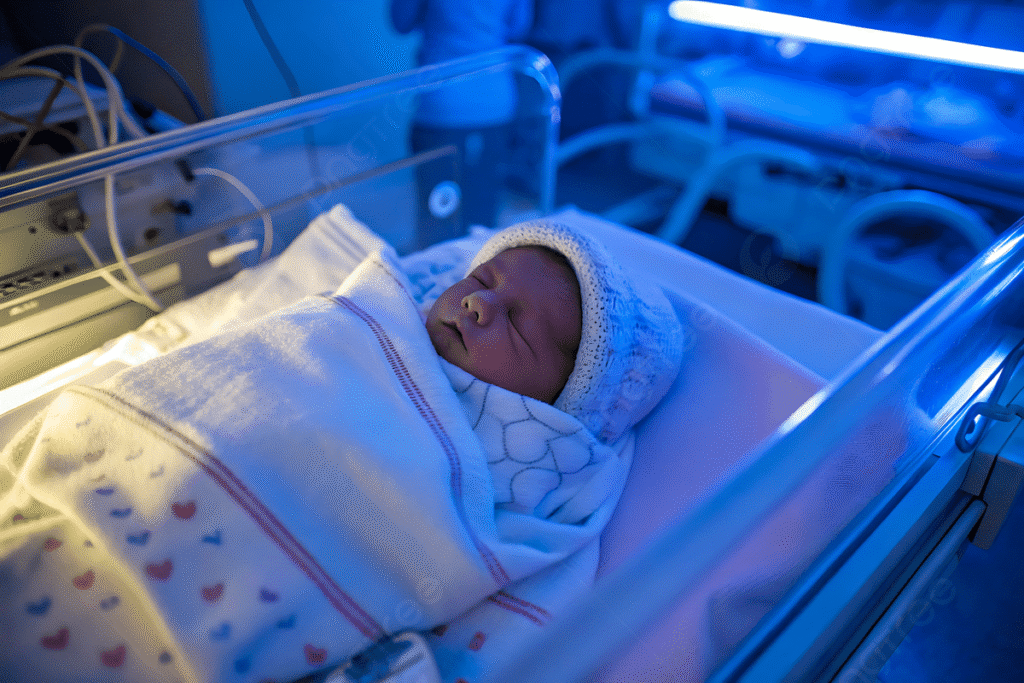
What Is the Hepatitis B Vaccine?
The Hepatitis B Vaccine is designed to protect infants and adults from the Hepatitis B virus, a severe infection that attacks the liver. It is made from harmless particles that train the baby’s immune system to recognize and destroy the virus if exposure ever happens later in life. Because babies’ immune systems are still developing, giving this protection from day one creates a solid foundation of immunity.
How the Vaccine Works
The vaccine teaches the immune system to build antibodies against Hepatitis B without causing the disease. These antibodies stay in the system for years, providing strong long-term protection.
Why Hepatitis B Is Dangerous for Newborns
Hepatitis B can cause lifelong liver problems — including chronic infection, cirrhosis, and even liver cancer. Newborns who contract the virus are at extremely high risk of developing long-term complications because their immune systems cannot fight the virus effectively.
1. It Protects Your Baby From a Serious Liver Infection
Hepatitis B is far more than a temporary illness. It is a virus that can remain in the body for decades without causing symptoms while silently damaging the liver. Babies infected at birth have a 90% chance of developing chronic Hepatitis B.
Why Infants Are More Vulnerable
Adults and teenagers are better equipped to fight the virus, but an infant’s immune system is still learning how to respond. Without the Hepatitis B Vaccine, even the smallest exposure can lead to lifelong infection.
Long-Term Health Risks
Without vaccination, a baby may face:
- Chronic liver disease
- Liver scarring
- Cirrhosis
- Liver failure
- Liver cancer
The Hepatitis B Vaccine reduces these risks to near zero.
2. The Birth Dose Protects Babies From Hidden Maternal Infection
Many mothers test negative for Hepatitis B during pregnancy, but infections can be missed. A late-term infection, testing error, or unrecognized exposure can put a newborn at risk.
When Maternal Tests Miss Hidden Infections
Even with proper testing, some infections go undetected. That means the virus can pass from mother to baby during delivery without anyone realizing it.
Why the First 24 Hours Matter
The Hepatitis B Vaccine given within 24 hours drastically lowers the chance of transmission — even if the mother is unknowingly infected.
3. It Prevents a Lifetime of Chronic Hepatitis B
If a newborn becomes infected, the virus almost always becomes chronic. That means it stays for life and can cause serious complications later.
Infant vs. Adult Infection
- Adults: About 95% clear the virus naturally
- Infants: About 90% become chronically infected
This dramatic difference is why the Hepatitis B Vaccine at birth is so critical.
4. The Vaccine Reduces the Risk of Liver Cancer
Hepatitis B is a leading cause of liver cancer globally. Giving the Hepatitis B Vaccine early protects children from a disease that often has no symptoms until severe damage has been done.
Why Early Immunization Works
Stopping the virus early prevents the liver inflammation and scarring that lead to cancer decades later.
5. The Vaccine Is Extremely Safe for Newborns
With millions of infants vaccinated worldwide, the safety record is exceptional.
Common Mild Side Effects
- Low fever
- Injection-site tenderness
- Fussiness
These mild effects are regular and temporary.
Strong Global Safety Record
The Hepatitis B Vaccine is one of the most widely studied vaccines ever created, with decades of research proving its safety for newborns, children, and adults.
6. It Follows Trusted CDC and ACIP Guidelines
Global health organizations agree on this schedule because decades of data support it.
The Standard Schedule
CDC and ACIP recommend:
- Dose 1: Birth (within 24 hours)
- Dose 2: 1–2 months
- Dose 3: 6–18 months
This schedule ensures complete protection.
Worldwide Health Consensus
WHO recommends the Hepatitis B Vaccine, and nearly every medical association supports it, underscoring its global importance.
7. It Protects Babies From Future Exposure Risks
Even if the mother is not infected, babies can be exposed to Hepatitis B later in multiple ways.
Childhood Exposure Risks
Minor cuts, scrapes, and shared items can transmit tiny amounts of infected blood.
Unplanned Contact
Situations like accidental needle injuries or contact in child-care settings can pose risks. The Hepatitis B Vaccine shields your child long before these risks appear.
8. It Helps Stop the Spread of Hepatitis B in Communities
Vaccinated infants grow into protected adults, lowering overall infection rates.
How Vaccination Reduces Transmission
The more people protected, the fewer chances the virus has to spread. Widespread use of the Hepatitis B Vaccine is one of the biggest reasons infection rates have dropped worldwide.
Long-Term Benefits
Large-scale newborn vaccination creates safer communities, healthier families, and lower healthcare burdens.
9. It Provides Strong, Long-Lasting Immunity
Studies show that the protection from the Hepatitis B Vaccine lasts decades and often provides lifelong immunity.
How Long Does It Last?
Even when antibody levels drop over time, the immune system “remembers” how to fight the virus.
Booster Recommendations
Most healthy individuals do not need boosters later in life. The childhood series is typically enough.
10. It Gives Parents Peace of Mind From Day One
Being a new parent comes with worries, but protecting your child from a lifelong virus shouldn’t be one of them.
Protection During the Most Vulnerable Stage
The birth dose of the Hepatitis B Vaccine gives your newborn immediate defense when the immune system is still developing.
Confidence in Evidence-Based Care
You can rest easy knowing you’ve followed the strongest, most proven medical guidance for your child.
Final Thoughts
Choosing the Hepatitis B Vaccine at birth is one of the most effective and scientifically supported ways to protect your baby from a severe virus that can impact health for decades. It is safe, recommended worldwide, and offers peace of mind that your child is shielded from their very first day of life.
With so many proven health benefits and decades of strong global data, the decision is clear: the Hepatitis B Vaccine is a simple, decisive step toward giving your baby the healthy future they deserve.
Why Infants Should Receive the Hepatitis B Vaccine at Birth
Childish Gambino Stroke Claims at Camp Flog Gnaw: Fact-Check & 10 Critical Warning Signs













Post Comment