AI-Powered Brain Mapping Autism Subtypes
autism biological subtypes, autism brain mapping, autism research 2026, autism spectrum disorder, autism subtypes, brain connectivity, child mind institute, fMRI brain scans, hyperconnectivity autism, hypoconnectivity autism, immune pathways autism, nature neuroscience autism, neuroimaging research, precision psychiatry, synaptic dysfunction
Carolyn Stinnett
0 Comments
7 Powerful Insights from AI-Powered Brain Mapping Autism Subtypes That Change Everything
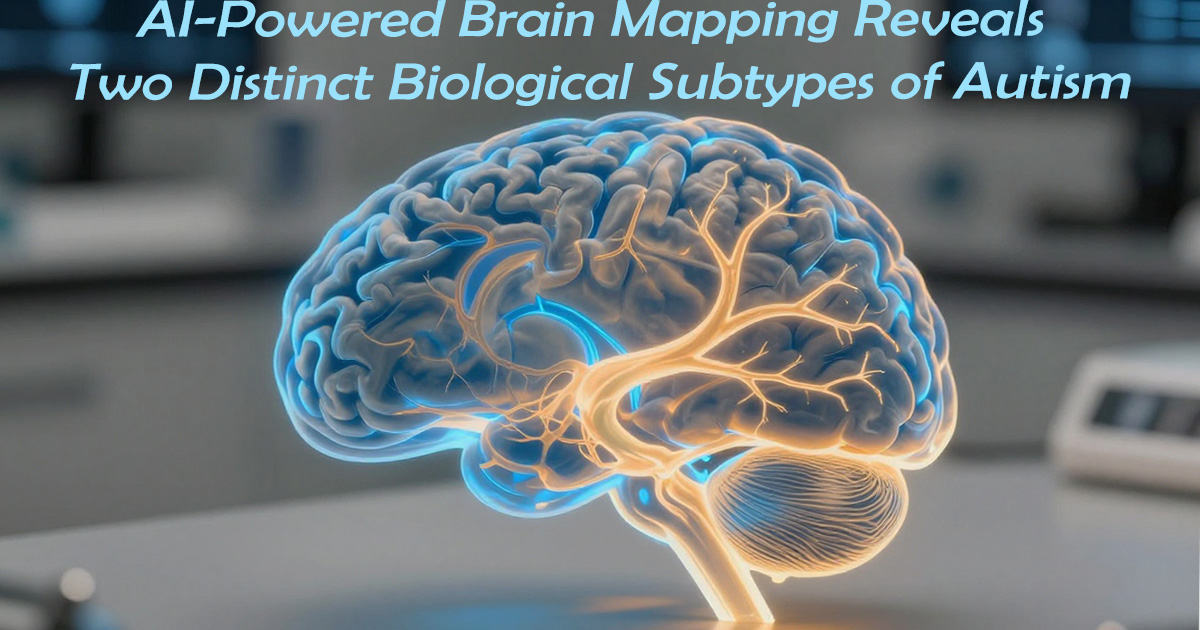
AI-Powered Brain Mapping Reveals Two Distinct Biological Subtypes of Autism
AI-Powered Brain Mapping Autism Subtypes is reshaping how scientists understand autism at a biological level. Autism is often described as a spectrum. The term acknowledges that brains differ, but it doesn’t say much about the biology underneath. A study in Nature Neuroscience highlights how AI-Powered Brain Mapping Autism can identify at least two distinct biological patterns. Using AI to comb through thousands of brain scans, researchers showed that AI-Powered Brain Mapping Autism Subtypes can separate brain connectivity into two clear camps.
Parents have been asking the same question for years: why does my child’s autism look nothing like another child’s? Clinically, the range is vast. One child might be nonverbal and hypersensitive to sound; another is hyperverbal and seeks deep pressure. The variation has long been chalked up to diagnostic noise. Now, AI-Powered Brain Mapping Autism Subtypes suggests it may reflect underlying biology rather than randomness.
What the Scans Revealed
For years, neuroimaging research on autism was inconsistent. Some studies found reduced connectivity between brain regions, while others found increased connectivity. Researchers assumed errors in sampling or methodology. However, AI-Powered Brain Mapping Autism Subtypes took a different approach by treating this contradiction as meaningful data.
The team from the Italian Institute of Technology and the Child Mind Institute used 20 genetically distinct mouse models of autism. Each model represented different autism-linked mutations. Resting-state fMRI data was analyzed using AI, and AI-Powered Brain Mapping revealed two distinct clusters: one with weakened brain connectivity and another with strengthened connectivity.
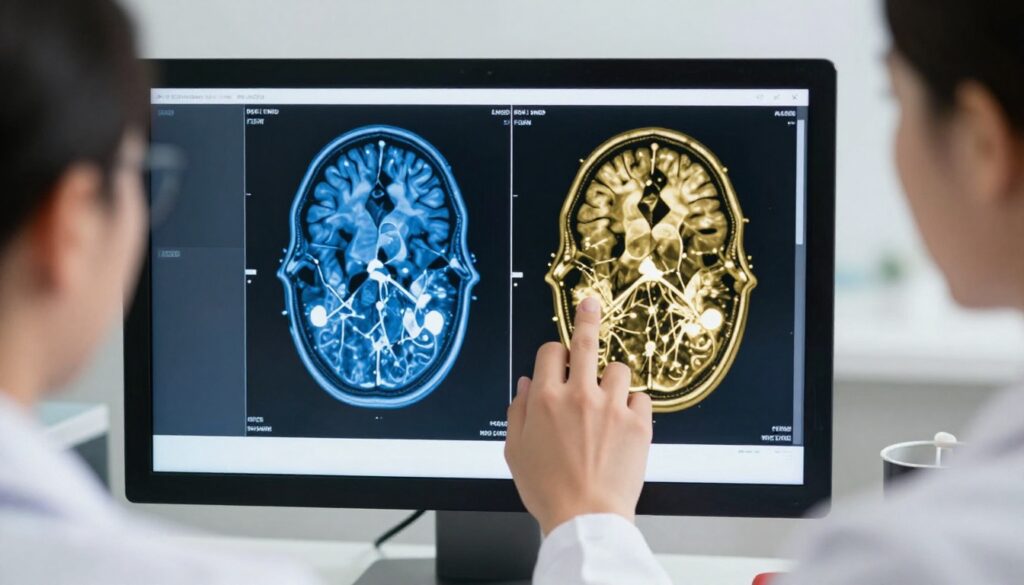
These findings were then tested on humans. Using 940 autistic individuals and 1,036 neurotypical controls, AI-Powered Brain Mapping Autism Subtypes again identified the same two patterns. The replication strengthened confidence that these are not random findings.
Biological Differences Between the Subtypes
The two connectivity patterns identified by AI-Powered Brain Mapping Autism Subtypes suggest different biological mechanisms.
The hypoconnected subtype is linked to synaptic dysfunction, meaning communication between neurons is disrupted. Genes involved in synapse formation appear strongly associated with this group.
The hyperconnected subtype identified by AI-Powered Brain Mapping Autism Subtypes shows stronger immune-related signaling and altered gene regulation. This aligns with observations that some autistic individuals also experience immune system differences or autoimmune conditions.
While AI-Powered Brain Mapping Autism Subtypes does not prove causation, it provides a biological framework for understanding variation within autism.

What This Study Is Not
It is important to understand what AI-Powered Brain Mapping Autism does not do. It does not provide a clinical diagnostic tool. It does not classify all individuals with autism. In fact, only about 25% of participants fit clearly into the two subtypes identified by AI-Powered Brain Mapping Autism Subtypes.
This means autism is still more complex than just two categories. Researchers believe AI-Powered Brain Mapping Autism Subtypes is only the beginning, and additional subtypes likely exist.
What Families Can Do Right Now
For families, AI-Powered Brain Mapping Autism Subtypes offers insight but not immediate treatment changes. It helps explain why autism presentations vary so widely from child to child.
The research suggests that individualized support is important because different brain patterns may respond differently to therapy approaches. However, AI-Powered Brain Mapping Autism Subtypes does not yet translate into clinical protocols.
Experts caution against unproven treatments targeting immune systems or brain “rebalancing.” The biological links identified by AI-Powered Brain Mapping Autism Subtypes are still under investigation.
Where the Research Goes Next
The same research teams are now expanding AI-Powered Brain Mapping by integrating genetics, cognition, and sensory processing data.
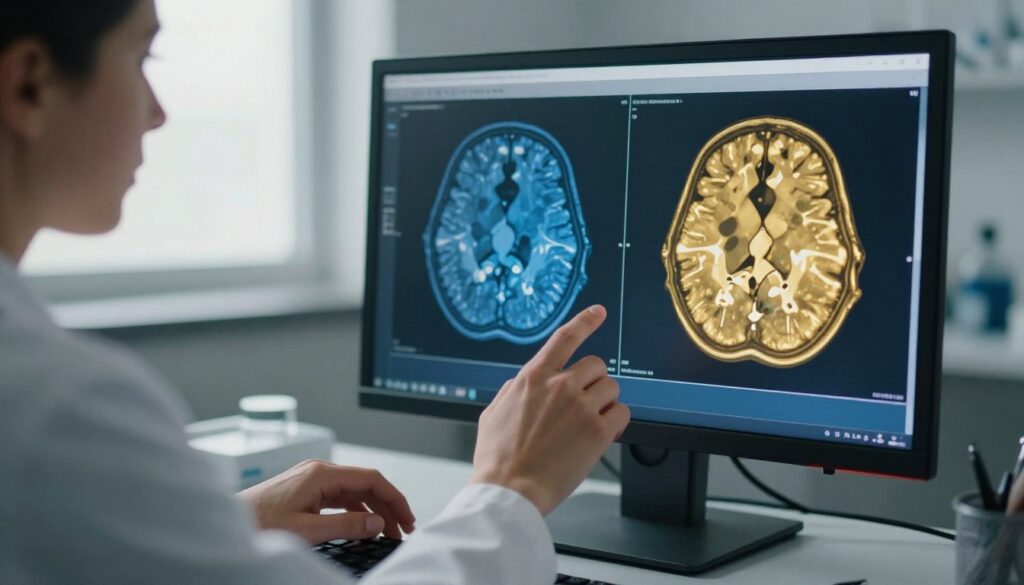
Early findings suggest:
- One subtype may be linked to language delays
- Another may be associated with sensory sensitivity or anxiety
These early signals from AI-Powered Brain Mapping Autism Subtypes are promising but not definitive.
Researchers believe AI-Powered Brain Mapping Autism Subtypes could eventually lead to more precise autism classification systems, potentially improving personalized interventions in the future.
Conclusion
AI-Powered Brain Mapping Autism Subtypes represents a major shift in how autism is studied. Instead of viewing autism as one broad spectrum, AI-Powered Brain Mapping Autism Subtypes suggests multiple biological pathways may exist.
While still in early stages, Brain Mapping Autism Subtypes provides a scientific foundation for understanding autism diversity at the brain level. It does not change diagnosis today, but it changes how we think about the condition moving forward.
Ultimately, AI-Powered Brain Mapping Autism Subtypes is not just a scientific discovery—it is a step toward more precise, personalized understanding of neurodevelopmental differences.











Post Comment