women's health
ADHD
hormone replacement therapy
ADHD, adhd treatment, adult adhd, brain fog, dopamine, estrogen, executive dysfunction, fezolinetant, hormonal changes, hormone replacement therapy, hot flashes, menopause, perimenopause, women's mental health, Women’s Health
Carolyn Stinnett
0 Comments
Menopause and ADHD : 7 Powerful Insights Every Woman Should Know
Menopause and ADHD : Women’s Health
Menopause & ADHD : Women’s Health Perimenopause is hard enough. Add ADHD to the mix, and it can feel like someone flipped a switch inside your brain and the lights went dim. New research out of Iceland, published in European Psychiatry in 2025, backs this up in a big way. Women with ADHD don’t just have a rougher time during perimenopause. They start experiencing severe symptoms up to a decade earlier than other women.
The hormone-ADHD link
Menopause and ADHD Here’s the nuance a lot of people miss. Estrogen doesn’t just regulate your menstrual cycle. It’s a potent modulator of dopamine and serotonin, the two brain chemicals that ADHD medications are designed to boost. When estrogen levels drop during perimenopause, your brain’s supply of these neurotransmitters takes a hit. For a woman with ADHD, whose dopamine system is already running low, this is a double whammy.
The 2025 population-based study from Iceland looked at over 5,000 women aged 35 to 55. Women with Menopause and ADHD reported total perimenopausal symptom scores about five points higher than women without. A difference that’s clinically meaningful. More striking, the worst symptoms hit women with Menopause and ADHD between ages 35 and 39, while women without Menopause and ADHD peaked around 45 to 49. That’s a ten-year head start on suffering. The data show women with Menopause and ADHD are 1.8 times more likely to experience severe perimenopausal symptoms overall, with physical symptoms hot flashes and joint pain, for instance -2.2 times more common.
Why ADHD is often missed during perimenopause
This is one of the most frustrating misconceptions I encounter. A woman walks into her OB-GYN’s office complaining of brain fog, forgetfulness, mood swings, and trouble focusing. She’s told it’s normal for menopause. And it is common. But that doesn’t mean Menopause and ADHD isn’t part of the equation.
The truth is, perimenopause and ADHD share a lot of symptoms. Trouble concentrating, poor working memory, irritability, emotional volatility — all are common. But Menopause and ADHD doesn’t start at 45. It’s a neurodevelopmental condition that’s been there since childhood, even if it was missed. Women are masters of masking. They compensate for years with extra effort, lists, and sheer willpower, until perimenopause strips those coping mechanisms away.
A 2024 review found that 70% of women with Menopause and ADHD described the condition as “life-altering” in their 40s and 50s. Half rated their symptoms as “extremely severe.” If you’re a woman in this age range and you’re wondering whether you’ve always had Menopause and ADHD, ask yourself: Did you struggle with organization as a teen? Were you called “spacey” or “too talkative”? Did you feel like you had to work twice as hard to keep up? If the answer is yes, perimenopause may not be causing new problems. It’s just revealing old ones.
Treatment options for perimenopause and ADHD
For decades, the go-to treatment for hot flashes and night sweats was hormone replacement therapy. And HRT can be genuinely helpful for Menopause and ADHD symptoms, too. By stabilizing estrogen, it helps your dopamine system get back on an even keel. But not everyone can take estrogen, and not everyone wants to.
That’s where the newer non-hormonal options come in. Fezolinetant, a drug that works on the brain’s temperature-regulating center, was approved by the FDA for moderate to severe hot flashes. It’s not a hormone, and it doesn’t affect Menopause and ADHD directly. But if you’re waking up six times a night drenched in sweat, your ADHD symptoms aren’t going to care about dopamine. They’re going to intensify from sheer exhaustion. Getting your sleep under control with the right tool, hormonal or not, is step one.
The other neglected intervention is your Menopause and ADHD medication itself. Many women find their usual stimulant dose feels half as effective during perimenopause. That’s not in your head. Lower estrogen can blunt the response to stimulants. Some women need a dose bump under their doctor’s supervision. Others do better splitting their dose — a smaller amount in the afternoon — to cover the whole day. There’s also evidence that lisdexamfetamine (Vyvanse) can improve executive function in perimenopausal women *without* Menopause and ADHD. So if you have it, the effect may be even more pronounced. But we need more research. The existing studies are small.

Practical steps to manage symptoms
Let’s move from the science to the Monday-morning plan. If you have ADHD and you’re in your late 30s to early 50s, consider these steps.
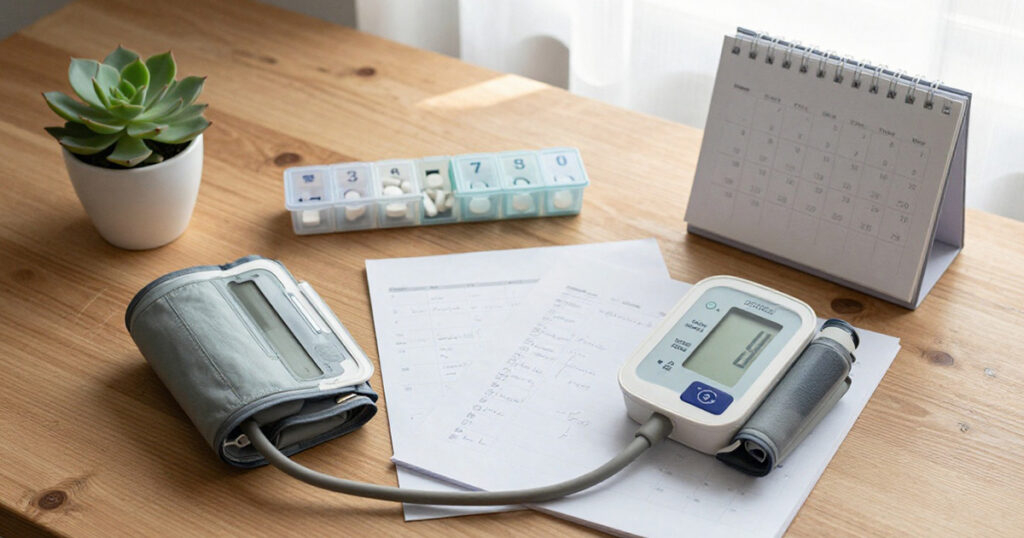
First, start tracking. Not vaguely. Write down your symptoms daily for a month. If you’re still menstruating, note where you are in your cycle. A simple app or a paper calendar works. Look for patterns: Are your Menopause and ADHD symptoms worse in the week before your period? Do hot flashes and sleep problems correlate with days you can’t focus? This information is gold for your doctor.
Second, bring your psychiatrist and your gynecologist into the same conversation. Too often, they never talk to each other. Your psychiatrist can adjust your Menopause and ADHD meds. Your gynecologist can discuss HRT or fezolinetant for vasomotor symptoms. Ideally, both happen together. A 2024 guide from Healthline echoes this: combining therapy (like CBT), medication, and lifestyle changes is the most effective approach.
Third, lifestyle stuff that actually works. The Mediterranean diet — loaded with vegetables, fish, olive oil — has been shown to improve menopause symptom severity in general, and it supports brain health. Exercise is non-negotiable: 150 minutes of moderate activity a week helps with sleep, mood, and executive function. And mindfulness training? Research shows it can improve emotional regulation in adults with Menopause and ADHD. It’s not woo-woo. It’s evidence.
Fourth, consider Menopause and ADHD coaching or cognitive behavioral therapy. Medication is a tool, not a cure. Coaching helps you build systems for the daily chaos — managing time, breaking tasks down, dealing with the guilt of not being able to “just get it together.” For many women, this is where the real breakthroughs happen.
Perimenopausal symptoms in women with and without ADHD: A population-based cohort study
What we still don’t know
Menopause and ADHD doesn’t end when your periods stop. The Icelandic study showed that women with ADHD in their 60s still had higher symptom burden on the Menopause Rating Scale than women without ADHD. Even though by then, they were well into postmenopause. That tells us the issues aren’t purely hormonal. The underlying neurobiology remains.
We need more research. Specifically, big longitudinal studies that follow women with ADHD across the full reproductive lifespan. We need to understand how HRT interacts with stimulants, whether non-hormonal hot flash treatments improve cognition, and why women with ADHD seem to experience premature ovarian aging. The Eunethydis review calls for this urgently, and I agree.
But one question lingers: Why does the ADHD brain seem to age the ovaries faster? No one has a solid answer yet.
This article is for educational purposes only and does not constitute medical advice. Always consult your healthcare provider before making changes to your medication or treatment plan.











Post Comment