Toxin Exposure
drugs
Health Tips
Medical Conditions
Mind & Lifestyle
andes virus, andes virus cruise ship, cruise ship outbreak, hantavirus, hantavirus outbreak, hantavirus person to person transmission, hantavirus prevention, hantavirus pulmonary syndrome, hantavirus symptoms, hantavirus treatment, hps, infectious disease outbreak, rodent-borne disease, zoonotic disease
Carolyn Stinnett
0 Comments
Powerful Hantavirus on a Cruise Ship Insights From the 2026 Outbreak
Hantavirus on a Cruise Ship: What the 2026 Outbreak Tells Us
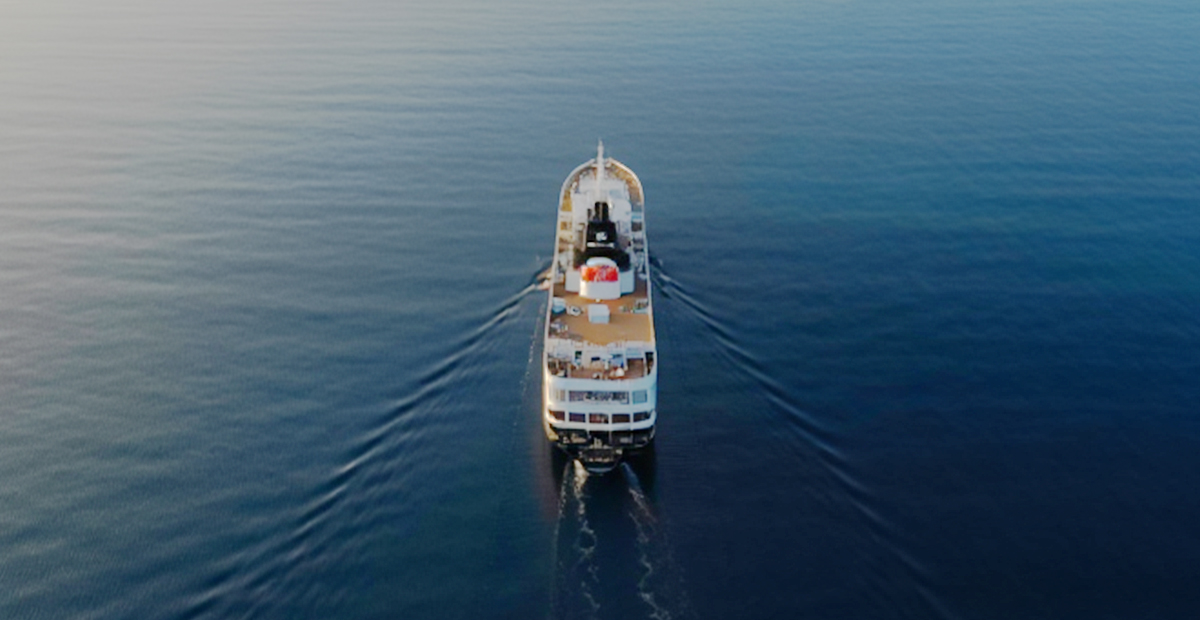
Hantavirus rarely makes the news. Then eight people got sick on a cruise ship in the Atlantic, three of them died, and public health agencies across nine countries were suddenly scrambling to coordinate a response nobody had planned for. The outbreak aboard the M/V Hondius in April and May 2026 involved Andes virus, a strain most people have never heard of. It should change how we talk about hantavirus risk.
How a rodent virus got aboard
The first case was a man who’d spent more than three months traveling in Argentina, Chile, and Uruguay. He likely picked up Andes virus from rodent exposure during birdwatching before boarding the ship on April 1. Symptoms showed up five days later. He died onboard April 11, and no lab tests were run at the time.
What followed got the world’s attention. Over the next few weeks seven more people fell ill: a traveling companion, other passengers, even the ship’s doctor. The timing of each case strongly suggests human-to-human transmission. That’s been documented before with Andes virus, but it is genuinely rare. Researchers have described “super-spreader” events with person-to-person Andes virus transmission in Argentina, though chains like this remain unusual.
Most hantavirus infections come from inhaling particles shed in rodent urine, droppings, or saliva. Person-to-person spread is essentially unique to Andes virus, and even then it seems to require close, prolonged contact.
What makes Andes virus different
There are more than 20 hantavirus species. In North America, Sin Nombre virus causes the majority of cases. In Europe and Asia, other strains cause hemorrhagic fever with renal syndrome, which attacks the kidneys. Human-to-human transmission hasn’t been documented with any of those.
Andes virus is the exception. It’s the only hantavirus confirmed to spread between people, typically during the early phase of illness through close indoor contact. Think sharing a cabin or handling contaminated bedding. The cruise ship, with its tight quarters and an average passenger age of 65, was close to a worst-case scenario for onward spread.
The fatality numbers are grim. Hantavirus pulmonary syndrome can kill up to 40–50% of those infected in the Americas, according to CDC estimates. This outbreak had a 38% fatality rate as of May 8, 2026. Seasonal influenza kills roughly 0.1%.
The person-to-person problem
Here’s my issue. Most public health materials about hantavirus still frame rodent exposure as the only meaningful risk. That’s accurate for the vast majority of species. It is not accurate for Andes virus, and the gap in messaging matters.
Both WHO and CDC acknowledge limited person-to-person transmission with Andes virus among close contacts. The cruise ship outbreak fits that pattern cleanly. The ship’s doctor, a guide, and several passengers all developed symptoms on timelines consistent with secondary transmission.
Nobody’s catching this walking past someone in an airport. But enclosed spaces, prolonged proximity, direct physical contact with someone actively ill? That changes things. Public health authorities classified all passengers as high-risk contacts and recommended 42 days of monitoring. Some face quarantine. None were allowed on commercial flights for repatriation.
How the response worked
The WHO and ECDC response involved a striking number of moving parts at once.
Symptomatic individuals were isolated and medically evacuated to hospitals in South Africa, the Netherlands, and Switzerland. Contact tracing relied on passenger manifests and seating arrangements, plus activity logs from the voyage. Passengers who had already disembarked to St. Helena, Switzerland, or South Africa were tracked down individually. Samples were tested across multiple countries, with PCR confirming Andes virus. Genomic sequencing is now comparing this strain against those circulating in South America.
On the ship itself, remaining passengers were told to stay in their cabins, practice hand hygiene, and report fever, muscle aches, nausea, or breathing difficulty. A WHO expert and an ECDC specialist boarded the vessel. Healthcare workers were required to use FFP2 respirators, gowns, gloves, and eye protection for all clinical encounters.
The ECDC published [guidance for managing exposed passengers covering contact classification, infection control, and countering misinformation.
Prevention and what to watch for
Unless you were aboard the M/V Hondius or in close contact with someone who was, your personal risk is zero. CDC and WHO both say so plainly.
But hantavirus prevention in general matters if you hike or clean out old sheds and cabins. Don’t sweep or vacuum mouse droppings. Wet them down with a 10% bleach solution first, then wipe up carefully. Sweeping launches viral particles into the air, and that’s how most infections happen. Seal gaps in your home (mice can squeeze through openings the width of a pencil). Store food in sealed containers. If you’re cleaning a heavily infested space, wear an N95 respirator and gloves.
If you develop fever, severe muscle pain, and sudden difficulty breathing after any potential rodent exposure, get to an emergency department. Don’t sit on it. Hantavirus pulmonary syndrome can deteriorate from stable to critical within hours. There is no antiviral that works against it. Treatment is entirely supportive: careful fluids, oxygen, ICU monitoring, sometimes mechanical ventilation or ECMO. Antibiotics won’t help unless a bacterial co-infection is suspected. Early recognition is where survival odds get better.
What’s still unknown
Genomic sequencing of the cruise ship strain is ongoing. Whether this particular lineage of Andes virus transmits between people more efficiently than others is an open question, and one that matters a great deal for future risk assessments. The last confirmed case aboard the Hondius developed symptoms on May 3. The 42-day monitoring window for contacts won’t close until mid-June at the earliest.
*This article is for educational purposes only and does not constitute medical advice. Consult a healthcare provider for any health concerns.*
Hantavirus rarely makes the news. Then eight people got sick on a cruise ship in the Atlantic, three of them died, and public health agencies across nine countries were suddenly scrambling to coordinate a response nobody had planned for. The outbreak aboard the M/V Hondius in April and May 2026 involved Andes virus, a strain most people have never heard of. It should change how we talk about hantavirus risk.
How a rodent virus got aboard
The first case was a man who’d spent more than three months traveling in Argentina, Chile, and Uruguay. He likely picked up Andes virus from rodent exposure during birdwatching before boarding the ship on April 1. Symptoms showed up five days later. He died onboard April 11, and no lab tests were run at the time.
What followed got the world’s attention. Over the next few weeks seven more people fell ill: a traveling companion, other passengers, even the ship’s doctor. The timing of each case strongly suggests human-to-human transmission. That’s been documented before with Andes virus, but it is genuinely rare. Researchers have described “super-spreader” events with person-to-person Andes virus transmission in Argentina, though chains like this remain unusual.
Most hantavirus infections come from inhaling particles shed in rodent urine, droppings, or saliva. Person-to-person spread is essentially unique to Andes virus, and even then it seems to require close, prolonged contact.
What makes Andes virus different
There are more than 20 hantavirus species. In North America, Sin Nombre virus causes the majority of cases. In Europe and Asia, other strains cause hemorrhagic fever with renal syndrome, which attacks the kidneys. Human-to-human transmission hasn’t been documented with any of those.
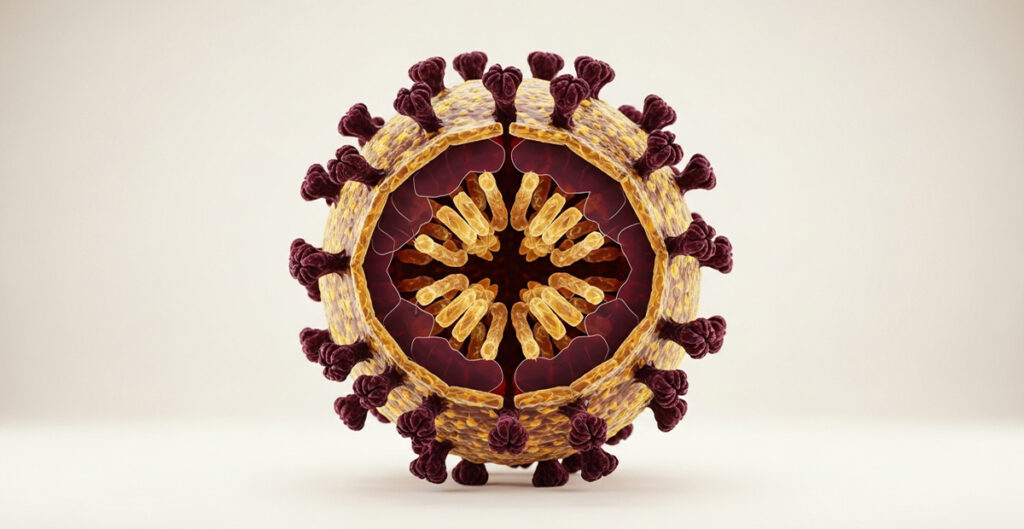
Andes virus is the exception. It’s the only hantavirus confirmed to spread between people, typically during the early phase of illness through close indoor contact. Think sharing a cabin or handling contaminated bedding. The cruise ship, with its tight quarters and an average passenger age of 65, was close to a worst-case scenario for onward spread.
The fatality numbers are grim. Hantavirus pulmonary syndrome can kill up to 40–50% of those infected in the Americas, according to CDC estimates. This outbreak had a 38% fatality rate as of May 8, 2026. Seasonal influenza kills roughly 0.1%.
The person-to-person problem
Here’s my issue. Most public health materials about hantavirus still frame rodent exposure as the only meaningful risk. That’s accurate for the vast majority of species. It is not accurate for Andes virus, and the gap in messaging matters.
Both WHO and CDC acknowledge limited person-to-person transmission with Andes virus among close contacts. The cruise ship outbreak fits that pattern cleanly. The ship’s doctor, a guide, and several passengers all developed symptoms on timelines consistent with secondary transmission.
Nobody’s catching this walking past someone in an airport. But enclosed spaces, prolonged proximity, direct physical contact with someone actively ill? That changes things. Public health authorities classified all passengers as high-risk contacts and recommended 42 days of monitoring. Some face quarantine. None were allowed on commercial flights for repatriation.
How the response worked
The WHO and ECDC response involved a striking number of moving parts at once.
Symptomatic individuals were isolated and medically evacuated to hospitals in South Africa, the Netherlands, and Switzerland. Contact tracing relied on passenger manifests and seating arrangements, plus activity logs from the voyage. Passengers who had already disembarked to St. Helena, Switzerland, or South Africa were tracked down individually. Samples were tested across multiple countries, with PCR confirming Andes virus. Genomic sequencing is now comparing this strain against those circulating in South America.
On the ship itself, remaining passengers were told to stay in their cabins, practice hand hygiene, and report fever, muscle aches, nausea, or breathing difficulty. A WHO expert and an ECDC specialist boarded the vessel. Healthcare workers were required to use FFP2 respirators, gowns, gloves, and eye protection for all clinical encounters.
The ECDC published [guidance for managing exposed passengers covering contact classification, infection control, and countering misinformation.
Prevention and what to watch for
Unless you were aboard the M/V Hondius or in close contact with someone who was, your personal risk is zero. CDC and WHO both say so plainly.

But hantavirus prevention in general matters if you hike or clean out old sheds and cabins. Don’t sweep or vacuum mouse droppings. Wet them down with a 10% bleach solution first, then wipe up carefully. Sweeping launches viral particles into the air, and that’s how most infections happen. Seal gaps in your home (mice can squeeze through openings the width of a pencil). Store food in sealed containers. If you’re cleaning a heavily infested space, wear an N95 respirator and gloves.
If you develop fever, severe muscle pain, and sudden difficulty breathing after any potential rodent exposure, get to an emergency department. Don’t sit on it. Hantavirus pulmonary syndrome can deteriorate from stable to critical within hours. There is no antiviral that works against it. Treatment is entirely supportive: careful fluids, oxygen, ICU monitoring, sometimes mechanical ventilation or ECMO. Antibiotics won’t help unless a bacterial co-infection is suspected. Early recognition is where survival odds get better.
About Hantavirus
Hantavirus : What’s still unknown
Genomic sequencing of the cruise ship strain is ongoing. Whether this particular lineage of Andes virus transmits between people more efficiently than others is an open question, and one that matters a great deal for future risk assessments. The last confirmed case aboard the Hondius developed symptoms on May 3. The 42-day monitoring window for contacts won’t close until mid-June at the earliest.
*This article is for educational purposes only and does not constitute medical advice. Consult a healthcare provider for any health concerns.*













Post Comment