COVID Variant 2026: 7 Hidden Risks of BA 3.2 That People Are Ignoring
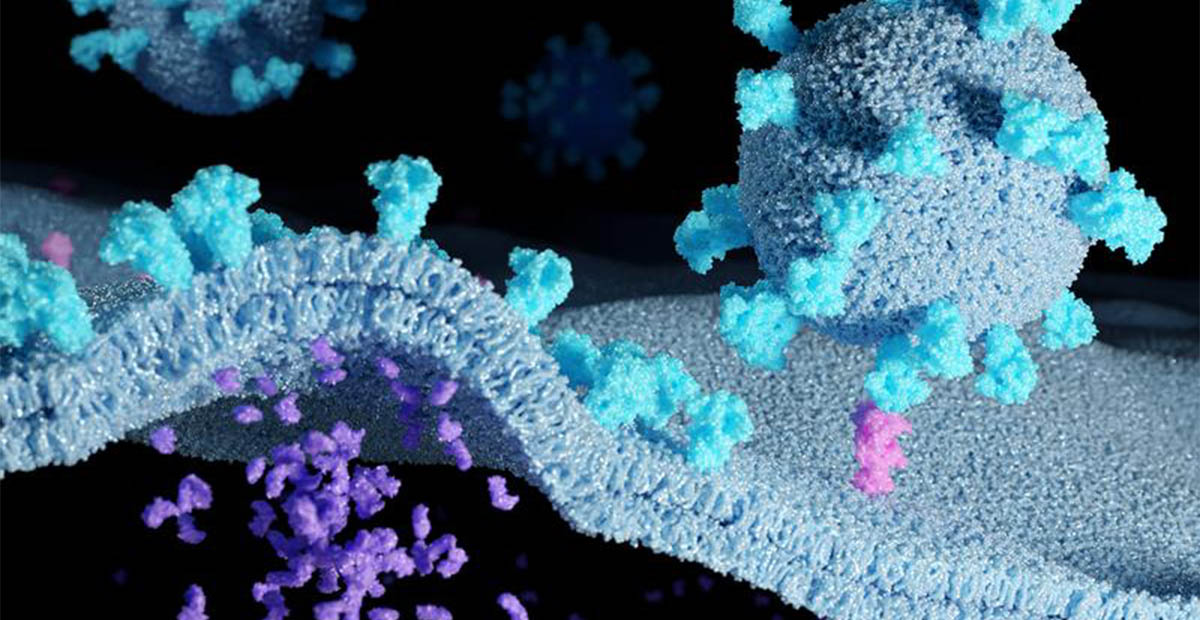
COVID Variant 2026 Overview – What Is BA 3.2 and Why It Matters
Origin and Mutation Pattern of the BA 3.2 Variant

Introduction
The emergence of new variants has been a recurring pattern since the start of the COVID-19 pandemic. In COVID Variant 2026, health experts are closely monitoring a new strain known as BA 3.2. While it may not yet dominate headlines everywhere, early signals suggest that this variant carries subtle but important risks that many people are overlooking.
Unlike earlier waves that triggered immediate panic, this time the danger lies in underestimation. The COVID Variant 2026 situation is evolving quietly, with BA 3.2 spreading in ways that are less obvious but potentially impactful.
In this article, we explore the 7 hidden risks of BA 3.2 and what they mean for your health, your family, and your daily life.
COVID Variant 2026 Overview – What Is BA 3.2 and Why It Matters
Origin and Mutation Pattern of the BA 3.2 Variant
BA 3.2 is believed to be a sub-lineage that evolved from earlier Omicron-related strains. Like previous variants, it carries mutations that may affect transmissibility and immune response.
The COVID Variant 2026 is not just about a new name—it represents how the virus continues to adapt. These mutations can influence how quickly it spreads and how the body reacts after infection.
How BA 3.2 Differs From Previous COVID Variants
Compared to earlier strains, BA 3.2 appears to have:
- Faster transmission in close-contact environments
- Milder but easily overlooked symptoms
- Potential immune escape properties
This makes COVID Variant 2026 particularly tricky, as people may not realize they are infected.
Why Experts Are Monitoring This Variant Closely in 2026
Health organizations are keeping a close watch because BA 3.2 shows patterns similar to early-stage variants that later caused significant waves.
COVID Variant 2026 Spread – How BA 3.2 Is Transmitting Rapidly
Transmission Rate Compared to Earlier Variants
Initial observations suggest that BA 3.2 spreads efficiently, especially in indoor and crowded environments. While it may not appear explosive, its steady spread is concerning.
The COVID Variant 2026 spread pattern indicates that small clusters can quickly turn into larger outbreaks if unchecked.
High-Risk Environments for BA 3.2 Exposure
Certain places increase the risk of infection:
- Public transport
- Offices with poor ventilation
- Indoor gatherings
Role of Asymptomatic Carriers in Silent Spread
One of the biggest challenges in COVID Variant 2026 is asymptomatic transmission. People without symptoms can unknowingly pass the virus to others.
COVID Variant 2026 Symptoms – Early Signs of BA 3.2 Infection
Most Common Symptoms People Are Reporting
Symptoms associated with BA 3.2 may include:
- Mild fatigue
- Sore throat
- Low-grade fever
- Headache
Mild vs Severe Cases – What Changes With BA 3.2
Unlike earlier waves, many cases appear mild. However, mild symptoms can lead to delayed testing and increased spread.
Symptoms That Are Often Ignored in Early Stages
Many individuals mistake early signs for seasonal illness. This is a key issue in COVID Variant 2026, as delayed recognition increases transmission.
1 – Increased Reinfection Possibility
Why Previous Immunity May Not Fully Protect
BA 3.2 may partially evade immunity from previous infections or vaccinations. This raises concerns about reinfection.
Reinfection Trends Observed Globally
Reports suggest that reinfections are becoming more common, even among those who had COVID earlier.
2 – Subtle Symptoms Leading to Delayed Detection
Why BA 3.2 Can Go Undetected for Days
Because symptoms are mild, many people continue daily activities without testing.
Impact of Delayed Testing on Community Spread
This silent spread is one of the biggest hidden dangers of COVID Variant 2026.
3 – Faster Transmission in Indoor Spaces
How Ventilation Plays a Critical Role
Poor airflow significantly increases transmission risk.
Everyday Places Where Risk Is Highest
- Elevators
- Cafes
- Air-conditioned offices
4 – Potential Impact on Vulnerable Groups
Elderly and Immunocompromised Individuals at Risk
Even if symptoms are mild for many, vulnerable individuals remain at higher risk.
Why Children May Also Be Affected Differently
Children may experience different symptom patterns, making detection harder.
5 – Vaccine Effectiveness Concerns
Current Vaccine Performance Against BA 3.2
Vaccines still provide protection against severe illness, but effectiveness against infection may be reduced.
Booster Shots and Updated Formulations
Updated boosters may play a key role in managing COVID Variant 2026.
6 – Long COVID Possibilities
Symptoms That May Persist After Recovery
Some individuals may experience:
- Brain fog
- Fatigue
- Respiratory issues
Early Research on Long-Term Effects of BA 3.2
Research is ongoing, but long-term effects remain a concern.
7 – Public Complacency and Reduced Precautions
Why People Are Ignoring Early Warning Signs
Pandemic fatigue has led many to lower their guard.
The Role of Pandemic Fatigue in 2026
The biggest risk in COVID Variant 2026 may not be the virus itself—but how people respond to it.
COVID Variant 2026 Prevention – How to Stay Safe From BA 3.2
Daily Habits That Reduce Infection Risk
- Maintain hygiene
- Avoid crowded indoor spaces
- Improve ventilation
When to Test and Seek Medical Advice
Testing early helps prevent spread and ensures timely care.
Importance of Vaccination and Boosters
Staying updated with vaccines remains essential.
COVID Variant 2026 Final Thoughts – What the Future Could Look Like
Will BA 3.2 Trigger Another Wave?
It is too early to say definitively, but early indicators suggest caution is necessary.
How Individuals Can Stay Prepared in 2026
The key to managing COVID Variant 2026 lies in awareness, early action, and responsible behavior.
Conclusion
The COVID Variant 2026 scenario highlights an important shift in how the pandemic evolves. BA 3.2 may not appear as alarming at first glance, but its hidden risks make it a serious concern.
Understanding these risks—and acting on them—can help prevent unnecessary spread and protect vulnerable populations. As the world continues to adapt, staying informed remains the most powerful tool we have.
Also read for more information : WHO TAG-VE Risk Evaluation for SARS-CoV-2 Variant Under Monitoring: BA.3.2
Read next on Lifenurt : Why Cancer Experts Are Excited About mRNA COVID Vaccines Right Now]
COVID-19 Vaccine South Carolina: Hassle-Free Access Sets New Wellness Standard














Post Comment