Weight Management
blood sugar balance, cortisol and stress eating, cravings control, dopamine and food, emotional eating, food addiction, ghrelin hormone, healthy habit building, hunger vs cravings, leptin resistance, mindful eating, protein and fiber, sleep and appetite, ultra processed foods
JyotiSE
0 Comments
Your Brain vs Your Cravings: The 7 Hidden Battle Behind Weight Gain
Understanding Why Cravings Feel Impossible to Control
The Difference Between Hunger and Cravings
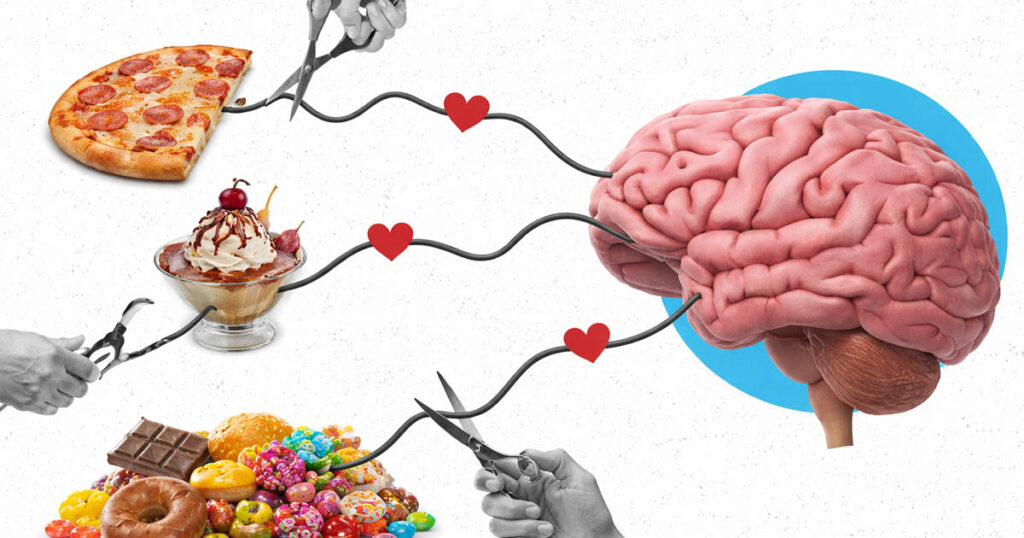
Weight gain is often blamed on lack of discipline, poor food choices, or inconsistent exercise. But what if the real struggle isn’t happening on your plate — it’s happening inside your mind? The truth is that Your Brain vs Your Cravings is a constant biological battle shaping how, when, and why you eat. Understanding this hidden conflict can completely change how you approach weight management.
This is exactly where Your Brain vs Your Cravings becomes the real story behind modern weight gain, revealing why logic and biology often move in opposite directions.
Understanding Why Cravings Feel Impossible to Control
The Difference Between Hunger and Cravings
Hunger builds gradually and can be satisfied with almost any food. Cravings, however, are specific and urgent. You don’t crave vegetables when emotional stress hits — you crave sugar, salt, or high-fat comfort foods.
This difference exists because cravings originate in the brain’s reward system rather than the stomach. Recognizing this distinction is the first step toward mastering Your Brain vs Your Cravings instead of fighting blindly against it.
Understanding Your Brain vs Your Cravings helps explain why motivation alone rarely works for long-term weight control.
How the Brain Interprets Food Signals
Your brain constantly evaluates energy needs, emotional states, and past experiences. When it predicts pleasure or relief from certain foods, it sends strong motivational signals urging you to eat — even when you are physically full.
Emotional Eating vs Physical Need
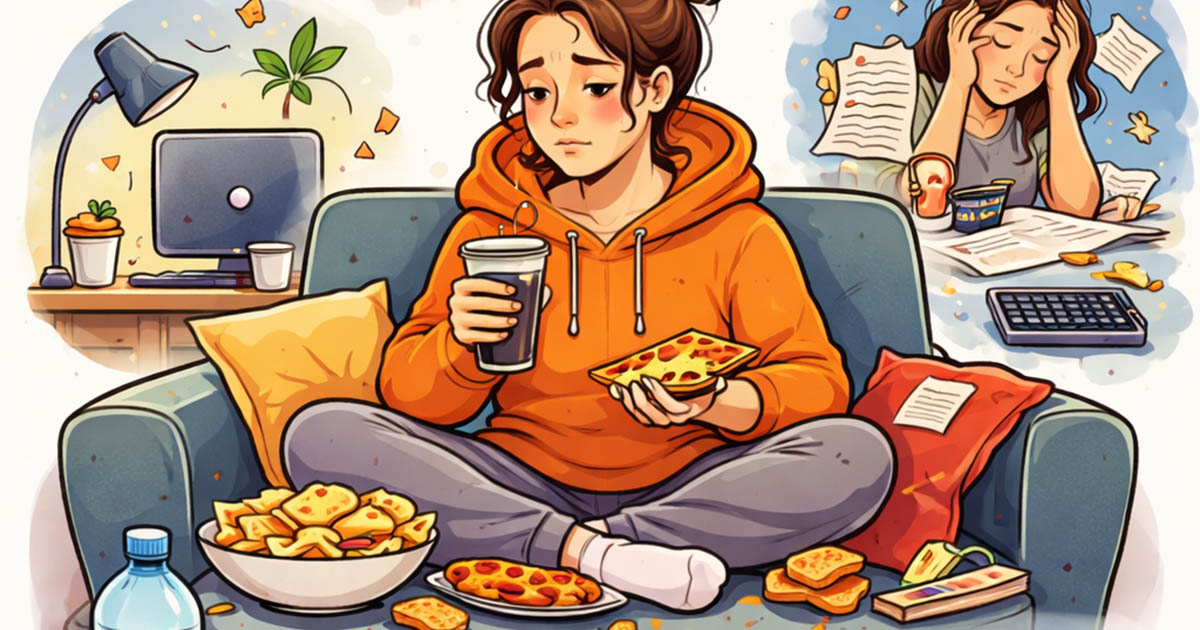
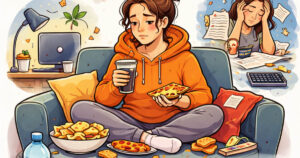
Stress, boredom, loneliness, and fatigue can all trigger eating behaviors unrelated to hunger. Emotional eating temporarily calms the nervous system, reinforcing a cycle that becomes harder to break over time.
The Science Behind Food Cravings
Dopamine and the Reward System Explained
Dopamine is often called the “feel-good” chemical, but its real role is motivation. When you eat highly palatable foods, dopamine spikes, teaching your brain to repeat that behavior.
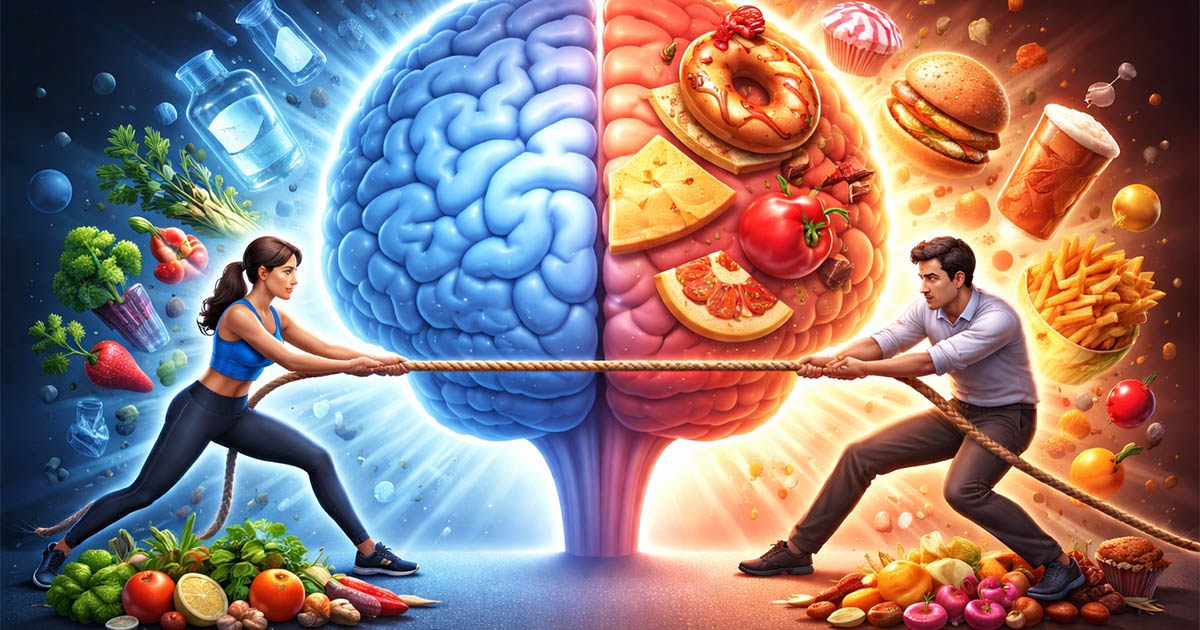
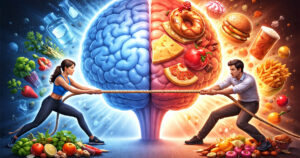
Over time, your brain begins anticipating rewards before you even take a bite. This anticipation drives cravings, making Your Brain vs Your Cravings feel like an internal tug-of-war.
Why Sugar and Processed Foods Hijack the Brain
Modern processed foods are engineered for maximum pleasure. They combine sugar, fat, and salt in ways rarely found in nature. This overstimulation confuses the brain’s natural appetite regulation, encouraging overeating.
How Habit Loops Strengthen Cravings
Every repeated behavior builds neural pathways. If you snack while watching TV nightly, your brain links relaxation with food. Eventually, the craving appears automatically whenever the situation repeats.
Hormones That Secretly Influence Your Appetite
Ghrelin — The Hunger Hormone
Ghrelin signals hunger and rises when meals are skipped or sleep is poor. High ghrelin levels intensify cravings and reduce self-control.
Leptin Resistance and Constant Hunger
Leptin tells your brain you’re full. However, chronic overeating and inflammation can cause leptin resistance, meaning your brain doesn’t receive the “stop eating” signal.
Cortisol, Stress, and Sudden Food Urges
Stress increases cortisol, which pushes the body toward calorie-dense foods for quick energy. This explains why stressful days often end with late-night snacking.
How Modern Lifestyle Makes Cravings Worse
Sleep Deprivation and Increased Appetite
Lack of sleep disrupts hunger hormones, increasing ghrelin while reducing leptin. Studies show sleep-deprived individuals consume significantly more calories.
Screen Time and Mindless Eating
Eating while distracted prevents the brain from registering fullness. This weakens natural appetite control mechanisms involved in Your Brain vs Your Cravings.
Ultra-Processed Foods and Brain Conditioning
Frequent exposure to hyper-palatable foods retrains the brain to expect intense flavors, making whole foods seem less satisfying.
The Psychology of Emotional Eating
Why Comfort Foods Feel So Powerful
Comfort foods often connect to memories and emotional safety. The brain associates them with relief, reinforcing emotional dependence.
Stress, Anxiety, and Reward Seeking
Food temporarily reduces stress by calming the nervous system. Unfortunately, this relief is short-lived, leading to repeated cycles.
Breaking the Emotional Eating Cycle
Awareness interrupts automatic behavior. Pausing before eating and identifying emotions helps weaken learned associations.
Training Your Brain to Reduce Cravings
Mindful Eating Techniques That Work
Eating slowly and without distractions allows the brain to recognize fullness signals. Mindful eating reduces overeating without strict dieting.
Rewiring Habits Through Small Daily Changes
Instead of eliminating cravings completely, replace routines gradually. A short walk, hydration, or protein snack can interrupt craving patterns.
The Power of Delayed Gratification
Waiting just ten minutes before giving in to a craving often reduces its intensity. This simple technique strengthens self-regulation pathways.
Nutrition Strategies That Calm Cravings Naturally
Protein and Fiber for Satiety
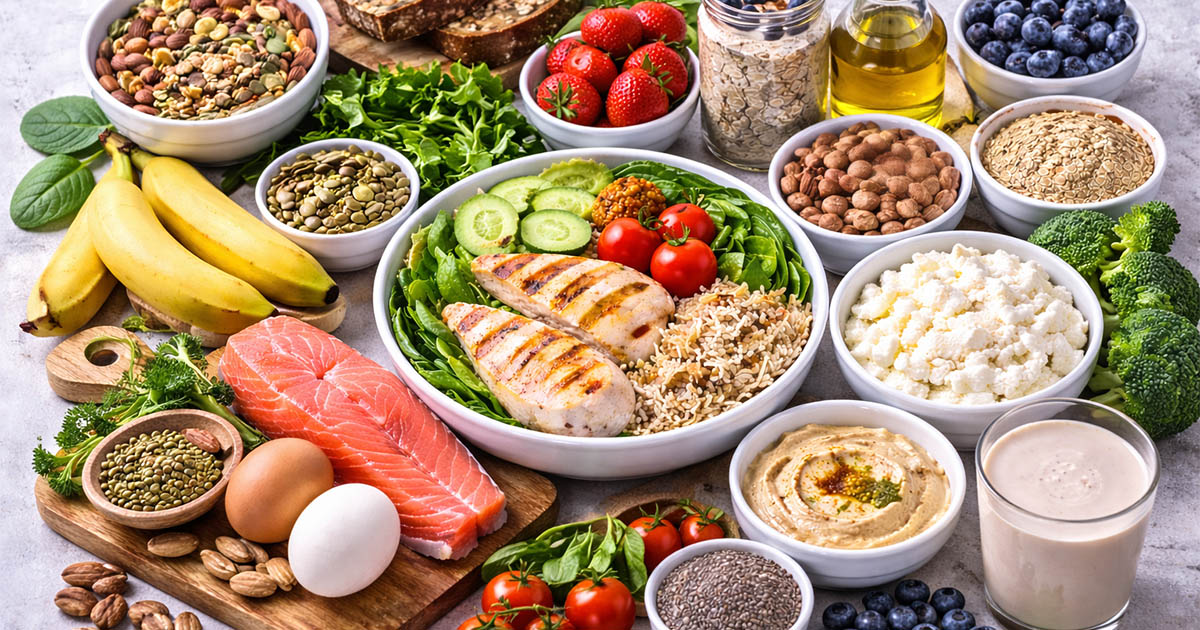
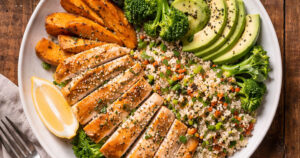
Protein stabilizes blood sugar and reduces hunger hormones. Fiber slows digestion, keeping you full longer.
Stabilizing Blood Sugar Levels
Frequent spikes and crashes increase cravings. Balanced meals with complex carbohydrates, fats, and protein help maintain steady energy.
Hydration and Micronutrient Balance
Dehydration often mimics hunger. Additionally, deficiencies in magnesium or iron may trigger unusual cravings.
Long-Term Weight Management Without Fighting Yourself
Building Sustainable Eating Patterns
Extreme diets often fail because they ignore brain biology. Sustainable habits work with your brain rather than against it.
Creating an Environment That Supports Success
Keeping nutritious foods visible and limiting trigger foods reduces decision fatigue. Environment shapes behavior more than willpower.
Turning Healthy Choices Into Automatic Habits
Consistency rewires neural pathways. Eventually, healthy behaviors require less effort because they become automatic responses.
Why Willpower Alone Doesn’t Work
Many weight-loss programs rely heavily on discipline. However, willpower is a limited resource influenced by stress, fatigue, and emotional load.
Understanding Your Brain vs Your Cravings shifts the focus from restriction to strategy. Instead of blaming yourself, you begin designing systems that support better choices naturally.
The Role of Self-Compassion in Weight Management
Self-criticism increases stress hormones, which can intensify cravings. Compassionate self-talk reduces emotional pressure and promotes healthier long-term behavior.
Progress happens faster when you treat setbacks as learning experiences rather than failures.
Final Thoughts — Winning the Battle Between Brain and Cravings
The journey toward healthy weight management is not about eliminating cravings forever. It’s about understanding them. When you recognize how biology, psychology, and environment interact, the struggle becomes clearer.
The truth is that Your Brain vs Your Cravings is not a fight you must win through force. It is a relationship you learn to manage. By improving sleep, balancing nutrition, reducing stress, and building mindful habits, you gradually retrain your brain.
Weight loss then becomes less about restriction and more about alignment — working with your body instead of against it. And when that shift happens, sustainable change finally feels possible.
Also read for more information : The neuroscience behind junk food cravings and how to stop eating them
Read next on Lifenurt : 9 Hidden Reasons You’re Not Losing Weight Even After Dieting








Post Comment