Living Strong with Type 1 Diabetes: Real Stories of Hope

Breaking the Stigma: Talking Openly About Type 1 Diabetes
Discover inspiring real stories of people living with Type 1 Diabetes. Learn how community, tech, and mindfulness build strength and hope daily.

Life doesn’t always change slowly. Sometimes, it shifts in a single day. A routine checkup turns into an unexpected hospital stay. A word you never imagined becomes part of your identity: diabetes.
Type 1 Diabetes (T1D) rarely presents itself. Instead, it often arrives like a storm—sudden, demanding, and relentless. It alters the rhythm of everyday life, affecting how someone eats, sleeps, travels, exercises, and even how they envision their future. Yet across homes, classrooms, and workplaces, countless individuals are not living in the shadow of this disease. Instead, they stand beside it, strong and determined.
This is not a story about statistics or medical charts. It’s a story about people. It’s about ordinary individuals who decided to adapt, about quiet courage that sustains day after day. The journeys of Emma, Raj, Maria, and Noah reveal that Type 1 Diabetes isn’t the end of anything. For many, it’s the beginning of a new kind of strength—built on resilience, creativity, and hope.
When Diagnosis Redraws the Map
Type 1 Diabetes is an autoimmune condition. Essentially, the body’s immune system mistakenly destroys the insulin-producing cells in the pancreas. Insulin is vital because it allows glucose to enter cells and be used for energy. Without it, sugar builds up in the bloodstream, causing dangerously high blood glucose levels.
Although it often develops in childhood or adolescence, adults are not immune to it. Unlike Type 2 Diabetes, it is not caused by lifestyle choices. Instead, the body turns against itself. Managing the condition means assuming the job that the pancreas once did. This involves monitoring blood sugar levels several times a day, counting carbohydrates, planning meals, administering insulin injections, and regularly consulting with medical professionals. There are no holidays from it. No “off” switch.
For many, the diagnosis lands like a shock. One week, they feel tired and thirsty. Next, they’re surrounded by new vocabulary, medical equipment, and a lifelong regimen. Fear, confusion, anger, and grief often swirl together during this period. However, these early moments frequently mark the first steps of extraordinary personal growth.
Emma: Finding Strength in Community
When Emma Thompson was thirteen, her world shifted gradually at first. Weeks of exhaustion and constant thirst concerned her parents. What began as a routine appointment ended with blood tests, hospital rooms, and a new diagnosis: Type 1 Diabetes.
She remembers being stunned. She hadn’t done anything “wrong,” but suddenly she had to learn how to prick her finger, inject insulin, and count carbohydrates. At school, she hid her testing kit in her bag, afraid of curious stares. “I didn’t want to be different,” she recalls. “I just wanted to be like everyone else.”
The turning point came the following summer. Her parents enrolled her in a diabetes camp—a week-long program for teenagers with T1D. Initially, she expected little. However, that camp became the place where fear cracked open and made space for something new. She met kids who checked their glucose casually in the cafeteria and athletes who raced around tracks with insulin pumps clipped to their shorts. Counselors spoke honestly about their challenges but radiated confidence.
For the first time, she wasn’t “the diabetic girl.” She was just Emma.
That experience didn’t erase the challenges, but it transformed her perspective. Over the years, Emma became an outspoken advocate. Now in her mid-twenties, she visits schools, shares her story with newly diagnosed students, and works with public health campaigns to reduce stigma. Her journey began with fear, but community turned it into strength. She discovered that sharing her reality made her part of something bigger.
Raj: Turning Data Into Power
Raj Patel was twenty-nine when Type 1 Diabetes entered his life. Working long hours as a software engineer, he dismissed his symptoms—weight loss, intense thirst, fatigue—as stress. By the time he reached the emergency room, his blood sugar was dangerously high.
The months following his diagnosis were chaotic. Between project deadlines and unpredictable work schedules, Raj struggled to maintain his steady glucose levels. Skipped meals, late nights, and frequent corrections left him exhausted. Nevertheless, his analytical mindset eventually became his greatest asset.
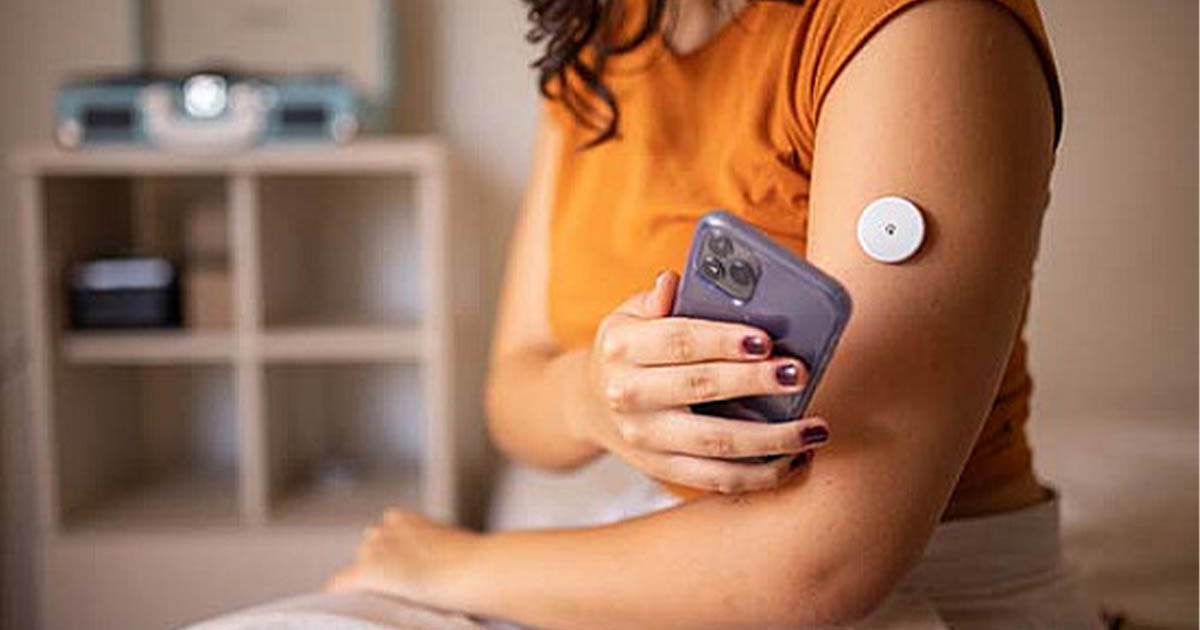
He began tracking everything—meals, insulin doses, exercise sessions—in detailed spreadsheets. Gradually, he adopted a continuous glucose monitor to track his blood sugar levels in real-time and paired it with an innovative insulin pump. As a result, he began to see clear patterns emerging.
The transformation was remarkable. His A1C levels stabilized, his energy improved, and his confidence grew. What had once felt like an unpredictable adversary became something he could understand and manage. A few years later, he ran his first marathon. Today, Raj mentors newly diagnosed adults, showing them how technology, used strategically, can bring order to the chaos. His story illustrates that resilience can manifest in various forms. Sometimes it’s grit. Other times, it’s structure, curiosity, and innovation.
Maria: Confronting Fear, Finding Calm
Maria Lopez had lived with T1D for years before fear caught her off guard. At forty-one, during a business trip overseas, she experienced severe nighttime hypoglycemia. She woke up in a hospital bed, disoriented and terrified. Her blood sugar had dropped so low that she’d had a seizure.
That moment shattered her sense of safety. Where she once felt confident, she now felt constantly on edge. She checked her blood sugar dozens of times daily, afraid of another nighttime episode. Slowly, her world began to shrink.
Her endocrinologist eventually referred her to a psychologist who specialized in chronic illness. At first, Maria wasn’t convinced therapy could make a difference. Over time, though, mindfulness techniques helped her draw a clear line between rational caution and overwhelming fear. Instead of letting anxiety take the lead, she learned to step back and observe it with clarity.
This shift didn’t make her reckless; it made her steady. Managing diabetes, she realized, isn’t just about insulin and numbers—it’s also about tending to the mind that oversees both. Through mindfulness, Maria reclaimed peaceful nights and quiet confidence. Perhaps most importantly, the experience reminded her that true strength isn’t only physical; it’s emotional, too.
Noah: Building a Circle of Hope
Noah Williams grew up with Type 1 Diabetes. Diagnosed at ten, he remembers being lost in a sea of adult instructions. Doctors spoke to his parents. Nurses explained injection techniques to adults towering over him. He was the patient, yet he felt invisible.
As a teenager, Noah noticed younger children at his clinic going through the same experience—quiet, overwhelmed, and unsure. At sixteen, he decided to do something about it. He started a small peer group for children with Type 1 Diabetes (T1D). They met after school at community centers, played games that involved carb counting, and shared tips for managing injections discreetly at school. Parents gathered in separate circles, learning from one another.
What started as a modest initiative grew steadily. Eventually, Noah’s group evolved into a nonprofit organization partnering with hospitals and schools. Through this work, he discovered that leadership doesn’t always begin with big gestures. Sometimes, it starts by looking back at who you once were and choosing to make that journey easier for someone else.
For Noah, community is more than support—it’s transformation. His initiative shows how shared experiences can turn vulnerability into collective strength.
The Invisible Work Behind Every Story

Behind each story of resilience lies daily, often unseen work. Early morning finger pricks. Insulin calculations before every meal. Mental math during holidays, business trips, and school exams. Nights when alarms go off at 3 a.m. because blood sugar levels have dipped dangerously low.
Fortunately, technology is lightening some of that load. Continuous glucose monitors, smart insulin pumps, and emerging “artificial pancreas” systems make life more predictable. At the same time, research continues to advance. Scientists are exploring immune therapies to halt autoimmune attacks, beta-cell replacement techniques using stem cells, and smart insulin that activates in response to changes in blood sugar levels.
None of these innovations erase the daily reality of T1D. However, they offer something equally powerful: hope grounded in steady progress.
Living Strong: More Than a Slogan
Living strong with Type 1 Diabetes does not mean denying its existence. Instead, it means facing it entirely and still choosing to build a meaningful life. It means finding structure when the body falters, seeking community when isolation looms, and cultivating calm when fear threatens to take over.
Emma found strength in others. Raj saw it in data and technology. Maria discovered it in her mind. Noah built it in his community. Their stories are different, yet their message is the same: Type 1 Diabetes is part of their story, not the definition of it.
Ultimately, their lives remind us that resilience is not loud. It lives in the quiet, daily acts of courage and care. It’s present in every decision to keep going.
Also read : Breaking the silence on World Diabetes Day, hearing from people living with diabetes
Key Reflections
- Type 1 Diabetes is a lifelong condition, but it does not have to define a person’s life.
- Community, technology, mental health support, and personal initiative play influential roles.
- Real stories demonstrate resilience in action, not as a cliché but as a daily practice.
- Scientific progress is bringing hope for a future with fewer burdens and greater freedom.
Type 1 Diabetes: Finding Strength, Hope, and Healing for Life













Post Comment