Smart Calorie Balance: 7 Science-Backed Ways to Lose Weight Without Starving
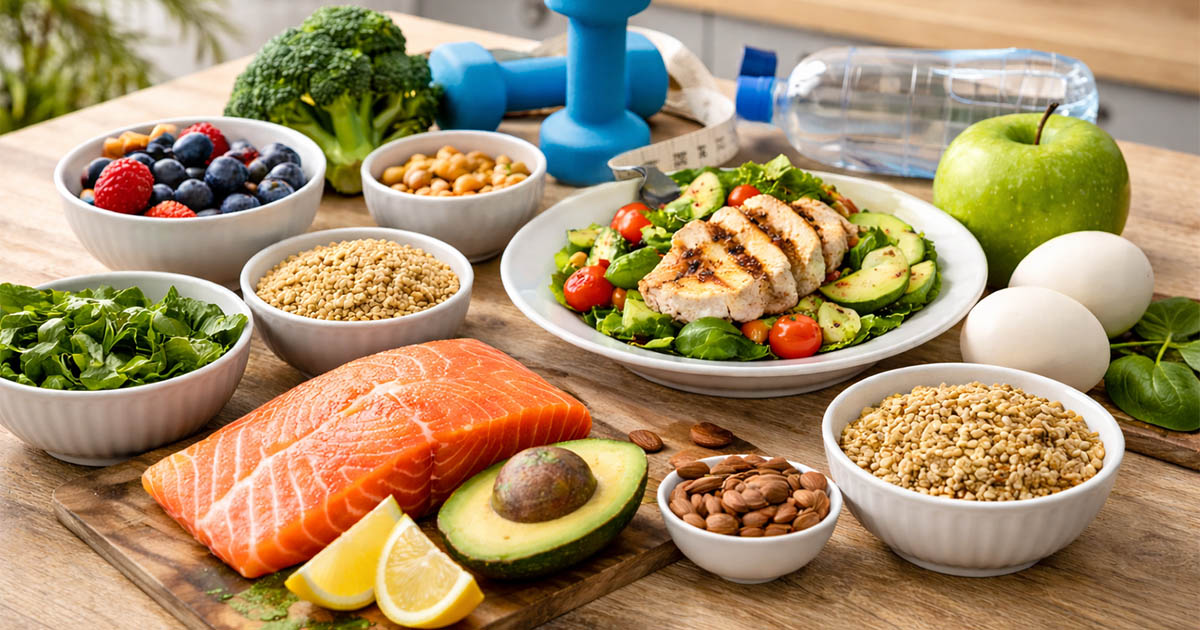
What Is Smart Calorie Balance?
Why Weight Loss Isn’t Just About Eating Less
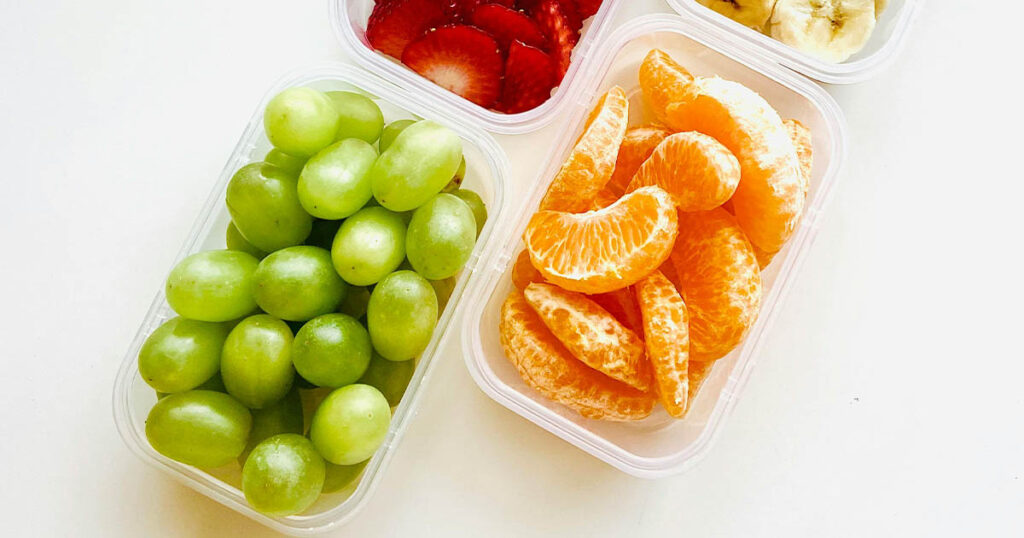
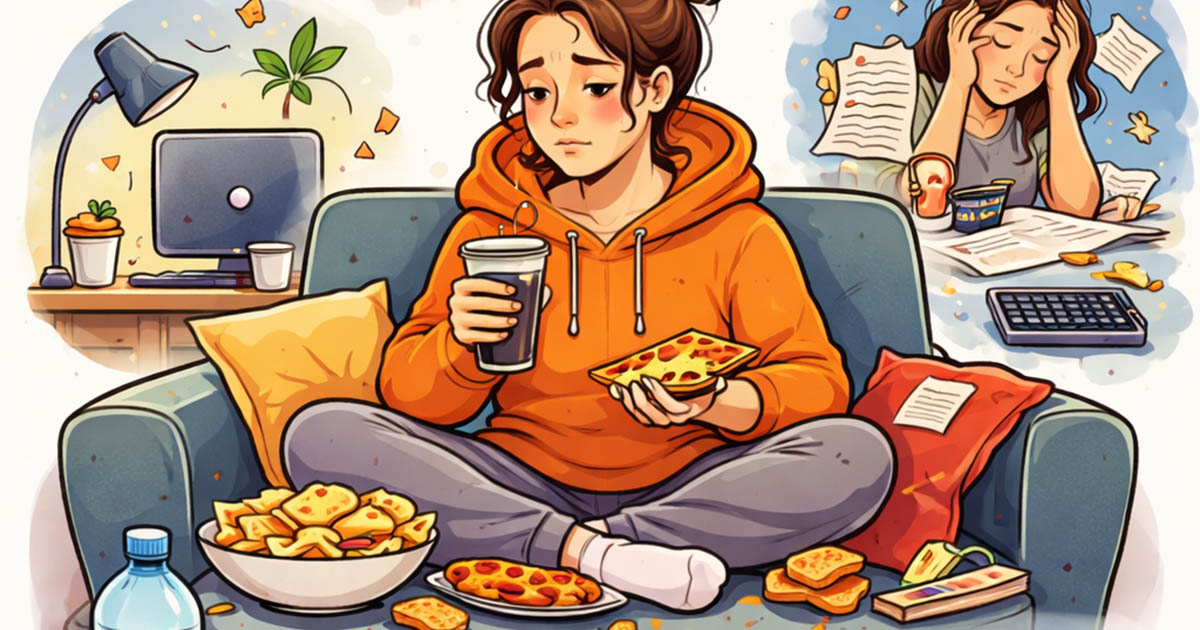
Losing weight is often portrayed as a battle of wills—a grueling test of how long you can endure hunger before your resolve breaks. We are told to “eat less and move more,” a simplified mantra that ignores the complex reality of human biology. Many assume that the faster the weight comes off, the better the diet. However, the human body doesn’t see a 500-calorie-a-day diet as a success; it sees it as a crisis.
When you drastically slash calories, your body responds defensively. It slows your metabolism, spikes your hunger hormones, and begins breaking down precious muscle tissue for energy. This is why most “crash diets” fail within weeks. The secret to lasting success isn’t extreme restriction; it is Smart Calorie Balance.
In this comprehensive guide, we will explore the science of losing weight without the agony of starvation. By understanding how to manage energy, hormones, and satiety, you can achieve a Smart Calorie Balance that fuels your life while steadily shedding body fat.
What Is Smart Calorie Balance?
At its core, Smart Calorie Balance means creating a strategic calorie deficit that allows for fat loss while keeping your energy levels, metabolism, and appetite stable. It is the antithesis of the “starvation diet.” Instead of forcing your body into a defensive survival mode, this approach uses nutrient-dense foods and lifestyle habits that work with your biology.
The goal of Smart Calorie Balance is to find the “Goldilocks Zone” of nutrition: eating enough to prevent metabolic slowdown and intense cravings, but little enough to encourage the body to use stored fat for fuel.
Why Weight Loss Isn’t Just About Eating Less
The “Calories In vs. Calories Out” (CICO) equation is technically true, but it is incomplete. If you eat 1,200 calories of gummy bears, your body will react very differently than if you eat 1,200 calories of salmon, avocado, and spinach.
When you practice Smart Calorie Balance, you recognize that food is information. It tells your hormones whether to store fat or burn it, whether to feel hungry or satisfied. Simply eating less often leads to “The Wall”—that point where your body fights back so hard that weight loss stalls completely.
How Your Body Responds to Severe Calorie Cuts
Extreme dieting triggers a biological process known as adaptive thermogenesis. Your thyroid hormones drop, your heart rate slows slightly, and you subconsciously move less throughout the day. Your brain also becomes hyper-focused on food. By adopting a Smart Calorie Balance, you provide enough nutrition to convince your brain that food is plentiful, which keeps your metabolic rate humming.
1. Prioritize Protein at Every Meal
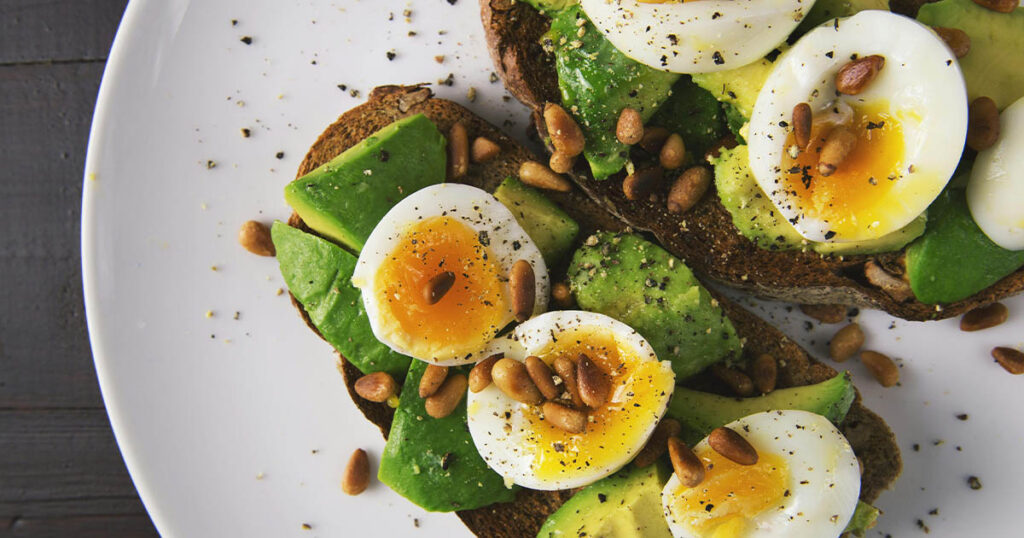
Protein is the cornerstone of a Smart Calorie Balance. If you want to lose weight without feeling like you are starving, protein is your best friend. It is the most satiating macronutrient, meaning it keeps you fuller for longer than fats or carbohydrates.
How Protein Supports Fat Loss Without Hunger
The “Satiety Index” ranks foods based on how well they satisfy hunger. High-protein foods consistently rank at the top. When you consume protein, your gut releases hormones like cholecystokinin (CCK) and glucagon-like peptide-1 (GLP-1), which signal to the brain that you are full.
Furthermore, protein has a high Thermic Effect of Food (TEF). Your body actually burns about 20-30% of the calories in protein just to digest and process it. This metabolic advantage is a key component of maintaining a Smart Calorie Balance.
Best Protein Sources for Daily Meals
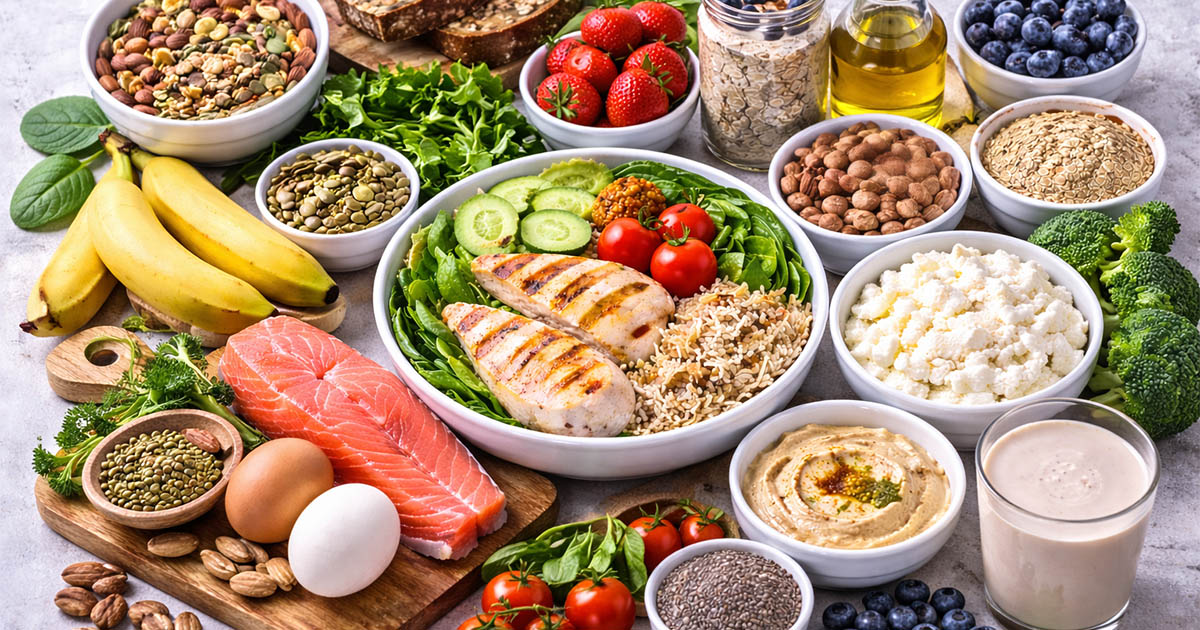
To stay within a Smart Calorie Balance, focus on high-quality, lean sources:
- Animal-Based: Eggs, Greek yogurt, chicken breast, turkey, lean beef, and wild-caught fish.
- Plant-Based: Tofu, tempeh, edamame, lentils, and chickpeas.
- Dairy: Cottage cheese and whey or casein protein powders.
Aim for 25–35 grams of protein at every meal. This ensures your muscles are protected and your appetite is kept in check.
2. Choose Fiber-Rich, Low-Calorie-Density Foods
If you hate small portions, you will love the concept of Low Calorie Density. This is a pillar of Smart Calorie Balance because it allows you to eat a large volume of food for very few calories.
Why Fiber Keeps You Full Without Extra Calories
Fiber is the “bulk” in your diet. Soluble fiber absorbs water and forms a gel in your digestive tract, which slows down the emptying of your stomach. Insoluble fiber adds physical bulk to your meals. When your stomach is physically distended by a large volume of fiber-rich food, it sends a signal to your brain to stop eating.
By prioritizing fiber, you can maintain a Smart Calorie Balance while still enjoying a plate that looks—and feels—completely full.
Simple Fiber-Focused Meal Ideas
- The “Volume” Salad: Instead of a small side salad, make a massive bowl using spinach, arugula, cucumbers, and peppers.
- Cruciferous Crunch: Roasted broccoli or cauliflower can be eaten in large quantities without significantly impacting your daily calorie total.
- Berries over Bananas: Berries are packed with fiber and water, making them a better choice for Smart Calorie Balance than denser fruits.
- Legumes: Adding black beans or kidney beans to soups increases fiber content and stabilizes blood sugar.
3. Balance Meal Timing Instead of Skipping Meals
A common mistake in weight loss is skipping breakfast or lunch to “save” calories for later. For most people, this backfires. By the time dinner rolls around, hunger is so intense that all logic disappears, leading to a binge. Smart Calorie Balance encourages a more rhythmic approach to eating.
How Irregular Eating Leads to Cravings
When you go too long without eating, your blood glucose drops. This triggers the release of ghrelin, the “hunger hormone,” and suppresses leptin, the “fullness hormone.” Your brain then begins to crave high-sugar, high-fat foods because it wants the fastest energy source available.
By maintaining a Smart Calorie Balance through regular meals, you keep your blood sugar stable. This prevents the “hangry” episodes that lead to poor decision-making.
Simple Eating Patterns That Work
You don’t need to eat six small meals a day, but you should avoid “accidental fasting.” A reliable structure for Smart Calorie Balance might look like:
- Protein-rich breakfast within two hours of waking.
- Fiber-and-protein lunch to sustain afternoon energy.
- A small, high-protein snack if the gap between lunch and dinner is longer than five hours.
- A balanced dinner containing protein, healthy fats, and complex carbs.
4. Control Portion Sizes Without Feeling Deprived
One of the biggest hurdles to weight loss is the feeling of being restricted. Smart Calorie Balance isn’t about eating tiny portions of the foods you love; it’s about rearranging your plate to maximize satisfaction while minimizing caloric load.
Visual Portion Strategies That Actually Work
Using the “Plate Method” is a scientifically proven way to maintain Smart Calorie Balance without needing a kitchen scale for every meal:
- 50% of your plate: Non-starchy vegetables (greens, broccoli, peppers).
- 25% of your plate: Lean protein (chicken, fish, tofu).
- 25% of your plate: Complex carbohydrates or healthy fats (sweet potato, brown rice, avocado).
Why This Feels Sustainable
When you see a full plate of food, your brain registers abundance. If you try to eat a 300-calorie burger alone, you’ll feel deprived. But if you take that same burger patty and put it over a massive bed of greens and roasted vegetables, you’ve maintained a Smart Calorie Balance while feeling like you’ve had a feast.
5. Reduce Liquid Calories and Hidden Sugars
Perhaps the most “expensive” calories in terms of your daily budget are those that come in liquid form. These calories offer zero satiety, meaning they don’t make you feel full, yet they can quickly derail a Smart Calorie Balance.
Why Liquid Calories Stall Weight Loss
Research shows that the brain does not register liquid calories the same way it registers solid food. When you drink a 400-calorie latte, your body doesn’t compensate by eating 400 fewer calories at lunch. Instead, those liquid calories act as “bonus” energy that is easily stored as fat.
Smarter Drink Choices
To support your Smart Calorie Balance, make these simple swaps:
- Swap soda for sparkling water with a squeeze of lime.
- Swap sugary lattes for black coffee or tea with a splash of unsweetened almond milk.
- Swap fruit juices for whole fruit (which contains the fiber the juice is missing).
- Limit alcohol, which not only adds calories but also lowers your inhibitions, making it harder to stick to your Smart Calorie Balance goals.
6. Support Metabolism With Daily Movement
Weight loss is often associated with grueling hours on a treadmill. However, Smart Calorie Balance leverages a much more powerful tool: NEAT (Non-Exercise Activity Thermogenesis).
NEAT: The Hidden Metabolism Booster
NEAT refers to all the calories you burn doing things other than sleeping, eating, or sports-like exercise. It includes walking to your car, typing, folding laundry, and pacing while on the phone. For many people, NEAT accounts for more daily energy expenditure than a 30-minute gym session.
When you are in a Smart Calorie Balance, your body might try to save energy by making you move less. Being intentional about movement keeps your metabolic furnace burning.
Practical Ways to Stay Active
- The 10-Minute Walk Rule: Walk for 10 minutes after every meal. This improves digestion, blunts the insulin response, and supports your Smart Calorie Balance.
- Stand Up: If you have a desk job, stand up every 30 minutes.
- Take the Stairs: It’s a cliché for a reason—it works.
- Active Leisure: Choose a weekend hike or a bike ride over a movie.
7. Build Habits Instead of Relying on Crash Diets
The ultimate goal of Smart Calorie Balance is to stop “dieting” and start “living.” Crash diets rely on willpower, which is a finite resource. Habits, however, are automatic.
Why Slow Progress Beats Quick Drops
If you lose 10 pounds in a week on a crash diet, a large portion of that is water and muscle. When you inevitably go back to your old eating habits, you gain the weight back—plus a little extra.
Smart Calorie Balance focuses on losing 0.5 to 2 pounds per week. This might feel slow, but it is fat loss, not just weight loss. Because this pace is sustainable, you won’t feel the need to “quit” the diet.
Simple Habit Changes That Stick
- Mindful Eating: Put your phone away. Taste your food. Chew slowly. This allows your brain to catch up with your stomach.
- Sleep Hygiene: Lack of sleep spikes cortisol and ghrelin. You cannot maintain a Smart Calorie Balance if you are chronically sleep-deprived.
- Stress Management: High stress leads to emotional eating. Finding non-food ways to cope (like meditation or exercise) is essential for long-term Smart Calorie Balance.
Final Thoughts: The Path to Sustainable Success
Losing weight doesn’t have to be a miserable experience. By shifting your focus away from “starvation” and toward Smart Calorie Balance, you are choosing a path of self-care rather than self-punishment.
The science is clear: when you prioritize protein, load up on fiber, move your body naturally, and respect your hunger cues, your body will naturally move toward its healthiest weight. You don’t have to be perfect; you just have to be smart about your choices.
Smart Calorie Balance is not a temporary fix; it is a blueprint for a healthier, more energized version of yourself. Start today by making just one “smart” swap at your next meal. Consistency over time will always yield better results than intensity for a short period.
Also read for more information : Science-Backed Tips to Lose Weight Naturally
Read next on Lifenurt : Digital Fatigue Metabolism: 7 Ways Screen Overload Quietly Slows Weight Loss
6 Mindless Snacking Triggers You Don’t Notice — Why You Eat Without Real Hunger










Post Comment