Dementia Awareness Through a Star’s Eyes — Sally Kirkland’s Courageous Health Battle

Sally Kirkland’s Health Journey: From Hollywood Spotlight to Silent Struggle
Sally Kirkland’s brave dementia journey inspires compassion, awareness, and dignity in aging — a reminder that courage and care can coexist with decline.
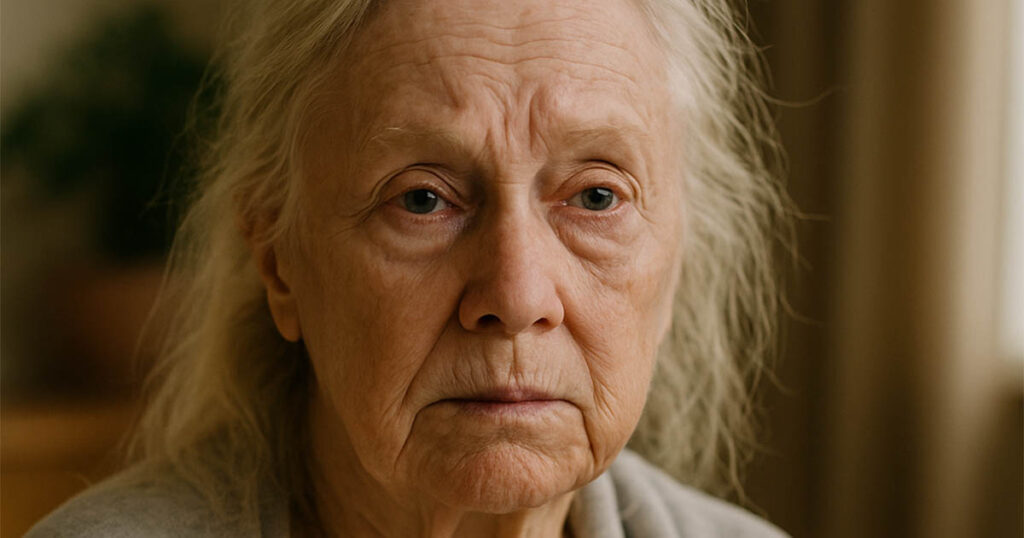
For more than half a century, Sally Kirkland shone brightly across the stages and screens of America. From her Oscar-nominated role in Anna to memorable appearances in The Sting and JFK, she represented a generation of fearless actresses who poured raw emotion into every frame. Her name became synonymous with artistic daring and emotional truth.
Now, at 83, that same courage defines her off-screen life. Kirkland’s transition into hospice care, following a painful battle with dementia and recurring infections, has moved millions. What once seemed like another tabloid headline has become something far more profound — a reflection of the universal struggle against one of the most heartbreaking conditions of our time.
Behind the glamour of red carpets and standing ovations, dementia does not discriminate. It quietly unravels memory, identity, and independence. In Kirkland’s case, the woman who once memorized entire screenplays now faces moments of disconnection — an unspoken tragedy shared by families around the world.
Her story is more than news; it’s a human reminder that awareness and empathy remain our strongest tools in the face of decline.
Understanding Dementia: The Mind’s Fragile Connection to Memory and Identity
Dementia is not a single illness but an umbrella term for disorders that affect the brain’s ability to remember, think, and communicate. Alzheimer’s disease accounts for roughly 60 to 80 percent of all cases, while vascular and Lewy body dementias also affect millions. The earliest signs often appear deceptively small — a lost word, a misplaced object, a confused glance that quickly passes.
But over time, these moments accumulate. The brain’s pathways, once electric with memory and creativity, begin to dim. For an actress like Sally Kirkland — whose craft depended on timing, recall, and emotional depth — dementia strikes at the very essence of who she is.
Her openness about the diagnosis has given a public face to a condition often hidden behind closed doors. Early awareness, she reminds us, is crucial. Families who recognize the symptoms early can seek care, adapt home routines, and prepare emotionally for what lies ahead.
Dementia does not erase the person; it simply changes how they communicate their humanity. In every forgotten line or paused sentence, there still exists the same soul deserving of love and patience.
How Dementia Impacts Aging Stars and Their Sense of Self
For artists, memory is not just recollection — it’s the foundation of their identity. To perform is to remember, to feel, and to express. When dementia enters that world, it dismantles both the art and the artist’s sense of control.
In Sally Kirkland’s case, the public learned about her condition when she entered hospice, and the outpouring of compassion was immediate. Fans who grew up watching her roles expressed both sorrow and admiration. Many saw their own parents and grandparents reflected in her journey — the same quiet confusion, the same flicker of recognition amid decline.
Aging in Hollywood is rarely discussed with honesty. Yet Kirkland’s story tears down the façade, revealing the reality of time’s impact even on icons. Fame, wealth, and prestige cannot shield anyone from the vulnerabilities of the human brain. What her courage gives us is perspective: that aging gracefully has little to do with appearance, and everything to do with acceptance.
Hospice Care and Compassion: Supporting Loved Ones Through Final Chapters
Hospice care is often misunderstood. It’s not about giving up; it’s about choosing dignity, comfort, and peace in life’s closing act. It provides patients and their families the space to focus on love instead of fear, presence instead of pain.
For Sally Kirkland, hospice represents that space — a sanctuary surrounded by caregivers, friends, and medical professionals dedicated to preserving her comfort. In this stage, the goal is not to extend days but to enrich the ones that remain.
Hospice teaches a powerful lesson: healing does not always mean recovery. Sometimes, healing implies acceptance. For countless families walking the same path, Kirkland’s example reinforces that hospice is a continuation of care, not its end.
It’s about creating moments of laughter amid tears — about reading favorite poems aloud, playing familiar music, and simply allowing the person to be.
Breaking the Stigma Around Dementia and Elder Mental Health
Society talks often about mental health in the young — anxiety, burnout, depression — but the mental well-being of older adults is too frequently overlooked. Dementia not only erodes memory but can amplify loneliness and depression. Too often, aging individuals are dismissed as “confused” or “forgetful,” when what they need is understanding and connection.
By sharing her diagnosis publicly, Sally Kirkland broke a silence that surrounds countless families. She became an accidental advocate for elder mental health, reminding the public that vulnerability is not weakness but courage in its purest form.
Her honesty underscores the need for policy support, medical funding, and public education on dementia. It invites communities to see aging not as a decline to hide, but as a season of life that deserves respect, care, and emotional safety.
Every conversation about dementia is a small act of rebellion against stigma — and a step toward compassion.
The Role of Family and Caregivers in Dementia Awareness
Behind every dementia story is another — that of the caregivers. These are the sons, daughters, spouses, and friends who hold together what illness tries to unravel. They become memory keepers, advocates, and emotional anchors.
Kirkland’s caregivers embody that devotion. Their days are filled with small acts of heroism — preparing meals, repeating familiar stories, maintaining gentle routines that preserve dignity. Their journey, like hers, requires patience that is both exhausting and sacred.
Caregivers often carry invisible wounds: fatigue, guilt, and isolation. That’s why caregiver support programs, counseling, and community groups are vital. Society must value not only those with dementia but those who stand beside them — for without these silent pillars, awareness cannot translate into genuine compassion.
Sally Kirkland’s Story as a Lesson in Courage, Grace, and Acceptance
Sally Kirkland has faced fame, loss, and illness with an unwavering grace that transcends Hollywood glamour. Her life story — now intertwined with the realities of dementia — has become a living message about human endurance.
In choosing transparency, she transformed pain into purpose. She showed that courage is not the absence of fear, but the willingness to face it with open eyes.
Her “third act” may not involve camera crews or awards, but it carries a deeper meaning. She reminds us that grace is found not in perfection, but in persistence — in meeting decline with dignity and transforming suffering into a source of awareness for others.
Why Dementia Awareness Matters for Every Family
Dementia touches more lives than many realize. Globally, someone develops the condition every three seconds. By 2050, cases are expected to exceed 150 million. These numbers are staggering, but behind each statistic is a person — a teacher, a musician, a grandmother, a friend.
When public figures like Sally Kirkland share their experiences, they break down barriers of fear and shame. Awareness leads to earlier diagnosis, more research funding, and communities better equipped to support those affected.
But most importantly, awareness restores empathy. It reminds families to have the difficult conversations early, to cherish each day, and to replace judgment with patience. Dementia may change communication, but it never erases love.
Recognizing Early Signs of Dementia and When to Seek Help
Awareness begins with knowledge. Some early warning signs include:
- Memory loss that interferes with daily routines
- Difficulty completing familiar tasks
- Confusion about time, place, or people
- Sudden mood swings or withdrawal from social life
- Trouble following conversations or stories
Recognizing these symptoms early allows families to seek evaluation and plan. Modern medicine cannot yet cure dementia, but treatments can slow its progression and improve quality of life.
Equally vital is emotional preparedness — ensuring loved ones have clear support systems and legal guidance before the condition advances. The earlier these steps are taken, the more control and peace a family retains.
Spreading Awareness: Turning Celebrity Stories Into Hope for Millions
Celebrity health stories often dominate headlines for a few days before fading away. But when used purposefully, they can ignite movements. Sally Kirkland’s openness offers visibility to a condition that thrives in silence. It reminds the public that dementia is not a distant medical issue; it’s a lived human experience.
Celebrities who share their health battles help humanize complex issues and inspire empathy across cultures. Their stories can drive funding for research, shape documentaries, and motivate legislative change.
Yet the real power lies in personal reflection — how these stories move individuals to act: to volunteer at a senior center, donate to Alzheimer’s research, or call an aging relative.
Awareness becomes meaningful only when it evolves into compassion.
Coping With a Loved One’s Decline: Emotional Healing and Mindful Support
Grieving someone with dementia begins long before their passing. Families experience what psychologists call “ambiguous loss” — mourning the gradual fading of personality while the person still lives. It’s one of the most painful emotional experiences a human can endure.
Healing begins with acceptance: acknowledging that the person you love is still there, even if they can’t express themselves as they used to. Creating daily rituals — music therapy, memory games, gentle conversation — helps maintain connection.
Hospice programs often offer counseling for family members to navigate guilt, anger, and exhaustion. In Kirkland’s case, this holistic approach allows loved ones to find comfort amid heartbreak and meaning amid loss.
Compassion, mindfulness, and self-care remain the caregiver’s lifeline.
Honoring Dignity in Aging: Lessons From Sally Kirkland’s Courageous Battle
True dignity in aging means being seen, heard, and respected — even in fragility. Sally Kirkland’s journey demonstrates that growing older should not be equated with fading worth. Her story invites all of us to reconsider how society defines beauty and value.
Aging gracefully is not about resisting change; it’s about embracing it. When we look beyond physical decline and focus on shared humanity, we find beauty in endurance, humor, and memory — even in moments of confusion.
Through her courage, Kirkland teaches that vulnerability is not the end of relevance. It’s the beginning of wisdom.
The Power of Awareness: Building a More Compassionate Future for Elder Care
At its core, Sally Kirkland’s story is not only about dementia but about the collective need to care more deeply. Her honesty offers a wake-up call to families, communities, and policymakers alike: elder care deserves empathy, not neglect.
If her journey inspires one person to check in on an elderly neighbor, volunteer in a hospice, or listen to an aging loved one’s stories, her legacy will extend far beyond Hollywood.
Dementia awareness starts with understanding but flourishes through action. Compassion, after all, is contagious. By choosing to speak, to care, and to advocate, we can build a future where aging is honored — not feared.
Tailored to You: Why Microbiome-Driven Nutrition Is the Next Big Wellness Wave in America
Also read for more information : Legendary Actress and Golden Globe Winner Sally Kirkland Is Fundraising for ‘Urgent Medical Care’














Post Comment