The Silent Inflammation Loop: Foods That Look Healthy but Hurt Your Body
Understanding the Silent Inflammation Loop
What chronic low-grade inflammation really means
Most people believe that eating “healthy” automatically protects their body from long-term health issues. But what if some of the foods you trust the most are quietly working against you?
The silent inflammation loop is a hidden cycle that slowly affects your energy, digestion, mood, and weight — often without obvious warning signs. It doesn’t start with dramatic symptoms. Instead, it builds gradually, fueled by foods that look nutritious on the surface but disrupt your body beneath it.
Understanding this loop can be the difference between feeling constantly tired and finally feeling balanced, light, and energized again.
Understanding the Silent Inflammation Loop
What chronic low-grade inflammation really means
Inflammation isn’t always bad. Your body uses it to heal injuries and fight infections. The problem starts when inflammation becomes constant. This low-grade, ongoing inflammation quietly stresses your immune system and organs without obvious pain or illness.
Over time, this creates a background “noise” in your body — one that interferes with metabolism, digestion, and hormone balance.

Why “healthy” foods can still trigger inflammation
Not all health foods are created equal. Many products marketed as nutritious contain hidden sugars, refined oils, additives, and preservatives that irritate your gut and spike blood sugar. These reactions can trigger inflammatory responses, even if the label says “organic” or “natural.”
How inflammation quietly affects weight, energy, and mood
Chronic inflammation can slow fat loss, reduce energy, disrupt sleep, and even affect mental clarity. Many people blame stress or aging, never realizing that food choices are feeding the problem.
How Inflammation Starts Without You Noticing
Blood sugar spikes and hidden stress responses
When you eat foods high in refined carbohydrates or sugar, your blood sugar rises quickly. Your body responds by releasing insulin and stress hormones. Over time, repeated spikes strain your system and promote inflammation.
The role of gut imbalance in silent inflammation
Your gut is home to trillions of bacteria. When processed foods, artificial sweeteners, and additives disrupt this balance, your immune system becomes more reactive. This creates inflammation that can spread throughout your body.
Why do symptoms often appear too late
Unlike injuries, inflammation doesn’t always cause immediate pain. Fatigue, bloating, brain fog, and stubborn weight gain often feel “normal,” so the underlying issue goes unnoticed for years.
Foods That Look Healthy but Fuel Inflammation
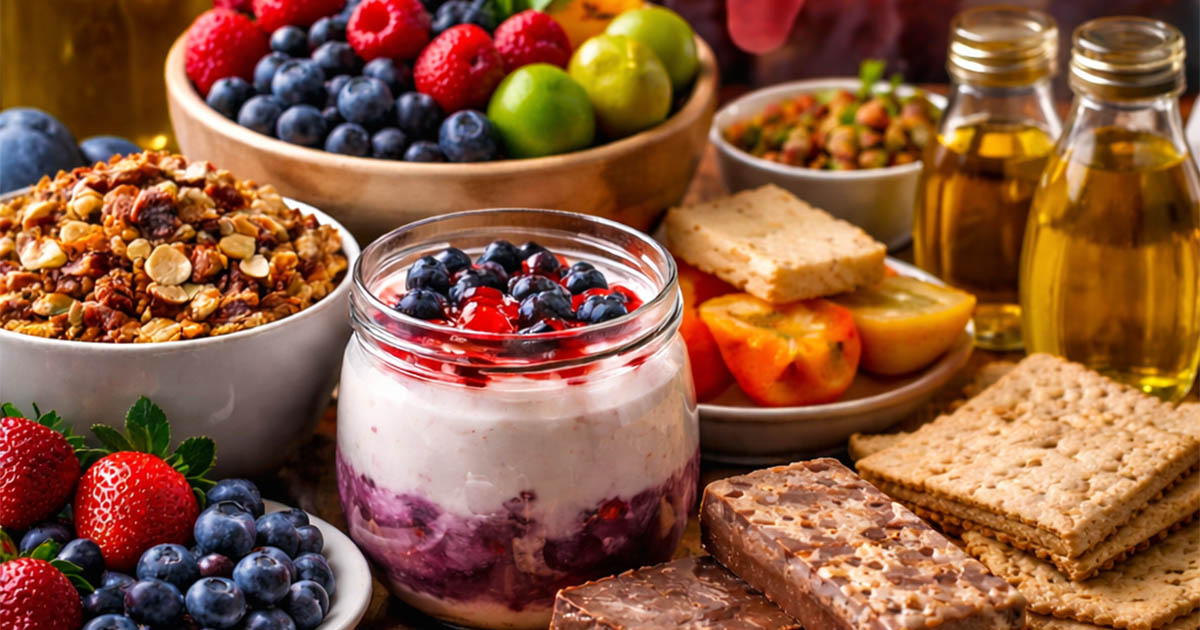
Flavored yogurts and sweetened dairy products
Many yogurts contain more sugar than a dessert. Added flavors, syrups, and stabilizers can trigger blood sugar spikes and digestive irritation.
Granola, protein bars, and “fitness” snacks
These products often contain processed oils, sweeteners, and refined grains. They look healthy, but act more like candy bars inside your body.
Vegetable oils and processed plant fats
Oils like soybean, corn, and sunflower oil are heavily processed and rich in omega-6 fats. When consumed in excess, they promote inflammatory pathways.
Gluten-free packaged foods
Gluten-free doesn’t mean inflammation-free. Many products use refined starches and additives that irritate the gut.
Diet drinks and artificial sweeteners
Artificial sweeteners can disrupt gut bacteria and increase insulin response, leading to higher inflammation over time.
The Inflammation–Craving Cycle
Why does inflammation increase sugar cravings?
Inflammation interferes with hunger hormones, making your body crave quick energy from sugar and carbs.
How stress hormones worsen food choices
When cortisol rises, your body seeks comfort foods. This reinforces unhealthy eating patterns.
The emotional eating connection
Inflammation affects mood and emotional regulation, making cravings harder to resist.
Signs Your Body Is Stuck in the Inflammation Loop
Constant fatigue and brain fog
Low energy and difficulty concentrating are common signs of internal stress.
Stubborn belly fat
Inflammation encourages fat storage, especially around the abdomen.
Digestive discomfort and bloating
Gas, cramps, and irregular digestion often reflect gut inflammation.
Joint stiffness and muscle aches
Inflammation can make everyday movement feel heavier than it should.
Breaking the Silent Inflammation Loop Naturally
Anti-inflammatory foods that heal the gut
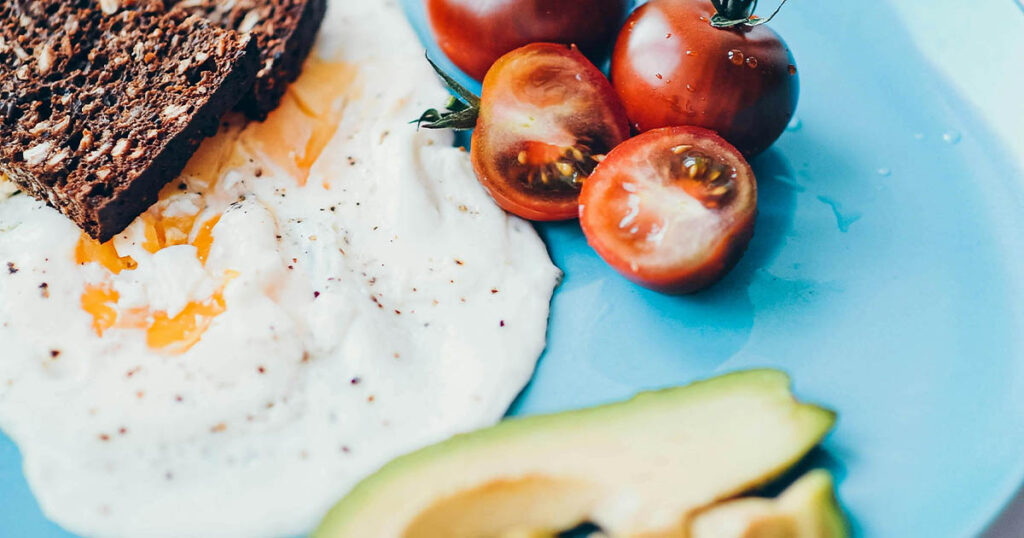
Whole foods like leafy greens, berries, olive oil, turmeric, fatty fish, and fermented foods support healing.
Simple lifestyle changes that reduce inflammation
Daily movement, sunlight, and hydration help regulate inflammation naturally.
Sleep, hydration, and stress regulation
Deep sleep and proper hydration allow your body to reset and repair overnight.
Building an Inflammation-Friendly Daily Routine
What a low-inflammation day looks like
Balanced meals, gentle movement, proper hydration, and stress breaks keep your system calm.
Meal timing and portion balance
Avoid constant snacking. Give your body time to digest and recover.
Long-term habit strategies
Consistency matters more than perfection. Small daily choices create lasting change.
Final Thoughts
The silent inflammation loop doesn’t start with pain — it starts with habits. By choosing real, whole foods and supporting your body’s natural balance, you can reduce inflammation, regain energy, and protect your long-term health.
Your body isn’t broken. It just needs the right signals.
Also read for more information : The 8 Worst Foods to Eat for Inflammation
Read next on Lifenurt : Ignoring Early Fatigue Signals: 6 Shocking Health Mistakes You Must Avoid













Post Comment