California Reports Severe Mpox Strain — Here’s How to Protect Yourself
How to Protect Yourself and Your Family from Mpox Exposure
California confirms a severe mpox strain in Los Angeles. Learn symptoms, vaccine updates, and expert tips to stay safe and prevent infection in 2025.
A new wave of concern has rippled through the public health community after California officials confirmed three cases of a more severe strain of mpox (formerly known as monkeypox). While the state has seen sporadic infections before, this time, health experts are alarmed. The latest cases—reported in Los Angeles County—show signs of increased virulence and potential local transmission, marking a troubling turn in the fight against this virus.
For most of us, mpox faded from headlines after 2022. But this latest development is a reminder: the virus hasn’t gone away—it has simply evolved. Here’s what’s happening, why experts are worried, and most importantly, how you can protect yourself and those around you.
What Is MPXV, and Why Are Health Officials Concerned Again?
Mpox is a viral disease caused by the monkeypox virus, a relative of the smallpox virus. First identified in the late 1950s, it was mostly confined to parts of Central and West Africa until recent global outbreaks began in 2022. That outbreak, which affected over 110 countries, revealed how easily mpox could spread through close human contact in urban environments.
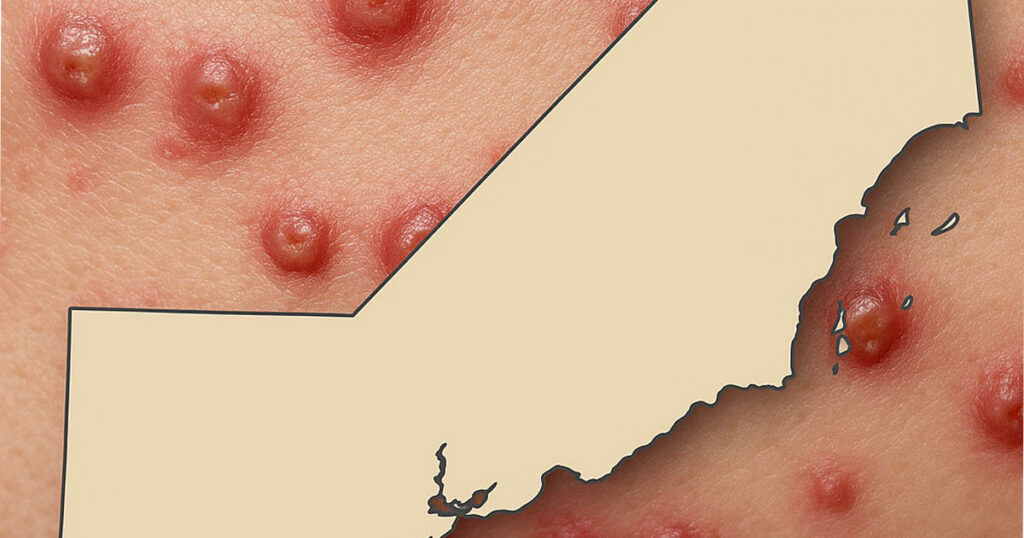
In most cases, mpox symptoms include fever, body aches, fatigue, and a distinctive blister-like rash. The illness is often mild, resolving within two to four weeks. But the concern now lies with a newly detected “clade I” strain, which has been linked to more severe symptoms and higher hospitalization rates.
California health authorities say this severe strain is genetically distinct from the one responsible for earlier outbreaks, suggesting it may spread more aggressively or cause more complications in vulnerable individuals.
California’s 2025 Mpox Outbreak: What We Know So Far
Los Angeles County health officials confirmed three unrelated cases of mpox in October 2025. What makes these cases unusual is that none of the patients had traveled internationally, indicating that local transmission may already be occurring.
The U.S. Centers for Disease Control and Prevention (CDC) has since joined the investigation, working with California’s Department of Public Health to trace possible contacts and identify the origin of this strain. Early reports suggest all three patients are recovering under medical supervision, but the implications are profound.
Dr. Anthony Patel, an infectious disease specialist based in San Francisco, explains:
“The fact that we’re seeing severe mpox cases with no travel history tells us the virus has adapted to local conditions. This is a clear sign that community transmission is possible.”
Public health teams are now testing close contacts and reminding clinics to be alert for unexplained rashes, especially those accompanied by fever and swollen lymph nodes.
Understanding the Severe Mpox Strain Detected in Los Angeles County
The newly identified strain, referred to as clade I, differs from the milder clade IIb strain that circulated globally in 2022–2023. According to early genetic analyses, this variant may cause faster symptom progression, deeper lesions, and a higher risk of complications such as pneumonia or encephalitis in immunocompromised individuals.
Health experts emphasize that this does not mean a large-scale outbreak is inevitable. However, clade I mpox is historically known for higher fatality rates in parts of Africa where healthcare access is limited. With proper treatment and isolation protocols, outcomes in developed regions remain far more favorable.
Still, the new data have prompted renewed calls for vaccination campaigns and public awareness. The CDC has classified this as a “situation under enhanced surveillance.”
How Does Mpox Spread? Key Facts You Should Know
Mpox spreads primarily through close skin-to-skin contact, respiratory droplets, and contact with contaminated materials such as bedding, clothing, or towels. Intimate contact, including sexual activity, has been a key transmission route in past outbreaks.
Key modes of transmission include:
- Direct contact with rashes, lesions, or scabs
- Prolonged face-to-face contact involving respiratory droplets
- Touching contaminated surfaces or objects
- Contact with infected animals (less common in urban settings)
Unlike COVID-19, mpox is not considered airborne, but it does require proximity for transmission. That means simple precautions—such as avoiding close contact with symptomatic individuals and maintaining hygiene—can go a long way in preventing spread.
Symptoms of the New Mpox Strain: Early Warning Signs to Watch For
While mpox symptoms vary from person to person, early identification is crucial. According to updated CDC guidance, these are the most common warning signs:
- Fever and chills
- Swollen lymph nodes (a key distinguishing feature from chickenpox or measles)
- Headache and muscle aches
- Exhaustion and back pain
- A rash or blisters appearing one to three days after the fever, often starting on the face, hands, or genitals, before spreading
- Painful or ulcerative lesions in severe cases
With the clade I strain, doctors have also reported longer recovery times, deeper lesions, and secondary bacterial infections in some patients.
If you experience these symptoms—especially after contact with someone who recently developed a rash—seek medical attention promptly. Do not self-medicate or attempt to drain lesions at home, as this increases infection risk.
Who Is Most at Risk of Severe Mpox Illness?
While anyone can contract mpox, certain groups are more vulnerable to severe disease:
- Immunocompromised individuals, including those with HIV or undergoing chemotherapy
- Pregnant women, due to the risk of fetal transmission
- Children under 8 years old
- Healthcare and laboratory workers handling potential cases
- People with multiple sexual partners or those exposed in close-contact settings
Authorities emphasize that mpox is not limited to any specific gender, ethnicity, or community, and stigma only hinders prevention. Public health campaigns now focus on compassion, education, and rapid testing instead of fear-based messaging.
Are Vaccines Available for Mpox in 2025? Latest Updates
The most widely used mpox vaccine is JYNNEOS (also called MVA-BN), developed by Bavarian Nordic. It’s a two-dose, non-replicating vaccine proven to offer up to 85% protection against both classic and severe mpox strains.
In the U.S., JYNNEOS is available through public health departments and select clinics for:
- People exposed to mpox (post-exposure prophylaxis)
- Those at high risk, including healthcare workers and men who have sex with men (pre-exposure protection)
In India, mpox vaccination is still limited, but progress is underway. The Serum Institute of India has partnered with Bavarian Nordic to produce the JYNNEOS vaccine domestically, which could soon make it available for Indian citizens if needed.
Until then, prevention remains the first line of defense.
How to Protect Yourself and Your Family from Mpox Exposure
You don’t need to panic—but you should stay informed. Health experts recommend these simple yet effective steps:
- Avoid close contact with anyone showing a rash or unexplained lesions.
- Maintain good hygiene—wash hands frequently with soap or use alcohol-based sanitizer.
- Disinfect commonly touched surfaces such as doorknobs and electronics.
- Avoid sharing towels, bedding, or clothing.
- Use protection during intimacy, and be alert for symptoms in partners.
- Stay updated through reliable health sources like the CDC or your local health department.
- Seek early medical attention if you develop any symptoms.
In workplaces or schools, routine cleaning and awareness are key. For healthcare workers, proper use of personal protective equipment (PPE) remains critical.
What to Do If You Suspect You Have Mpox
If you suspect mpox infection:
- Isolate immediately to prevent transmission.
- Contact a healthcare provider for testing and instructions.
- Cover rashes and lesions with clothing or bandages if you need to leave your home.
- Inform close contacts so they can monitor for symptoms.
Avoid panic—but don’t ignore warning signs either. Early diagnosis significantly reduces complications and helps public health teams contain the spread.
Global Response: How the World Is Preparing for Potential Spread
The World Health Organization (WHO) is now monitoring the situation closely. While the current California cluster is small, the fact that a severe strain has emerged in a non-endemic region signals that mpox may become a recurring global health concern—much like seasonal flu or other viral infections.
Governments are reassessing stockpiles of vaccines and antiviral drugs like tecovirimat (TPOXX), which has shown promise in reducing disease severity. Research is also underway to understand how and why the virus is mutating.
Dr. Emily Rivera, a WHO virologist, summarized it best:
“Mpox is reminding us that viruses adapt, even when we look away. The challenge now is not fear, but vigilance.”
The Bottom Line
Mpox may not be making global headlines every day, but it hasn’t disappeared. The appearance of a severe strain in California underscores the need for continued awareness, scientific monitoring, and public cooperation.
While the risk to the general population remains low, simple preventive habits—hygiene, caution, and vaccination where available—can make all the difference. The world has learned hard lessons from pandemics before; the goal now is to act early, not react late.
Officials announce first known cases of severe mpox strain spreading in US













Post Comment