Health Tips
brain aging, brain boosting habits, brain health, cognitive health, daily health habits, focus and concentration, healthy lifestyle habits, healthy living, lifestyle changes, memory improvement, mental health tips, prevent brain aging, secretly aging your brain, wellness tips
JyotiSE
0 Comments
9 Silent Habits That Are Secretly Aging Your Brain Every Day

Why Brain Aging Happens Faster Than Most People Realize
The Difference Between Natural Aging and Lifestyle Aging

Modern conversations about aging usually focus on wrinkles, weight gain, or physical stamina. But the most important aging process often happens quietly — inside the brain. Long before visible signs appear, everyday routines begin shaping how well your brain functions, remembers, adapts, and protects itself.
Many people assume cognitive decline is unavoidable. In reality, research shows that lifestyle choices influence brain health far more than previously believed. The habits you repeat daily either strengthen neural pathways or slowly weaken them. What makes this concerning is that most harmful behaviors feel completely normal.
Understanding the Silent Habits That Are Secretly Aging Your Brain is the first step toward protecting memory, focus, emotional stability, and long-term mental sharpness. The encouraging news is that small adjustments can help the brain recover faster than many expect.
Let’s explore the hidden behaviors that may be speeding up brain aging — and how to change them.

Why Brain Aging Happens Faster Than Most People Realize
Brain aging doesn’t suddenly begin in old age. Scientists now believe subtle cognitive changes can start as early as the late twenties or thirties, depending largely on lifestyle patterns.
Natural Aging vs Lifestyle Aging
Natural aging involves gradual cellular changes that occur over decades. Lifestyle aging, however, happens when daily habits increase inflammation, reduce circulation, and limit neural regeneration. Poor sleep, chronic stress, inactivity, and overstimulation accelerate this process dramatically.
When people learn about the Silent Habits That Are Secretly Aging Your Brain, they often discover that the biggest risks are not extreme behaviors but ordinary routines repeated without awareness.
The Brain’s Ability to Adapt
The brain remains highly adaptable through neuroplasticity — its ability to form new connections. Healthy habits strengthen these pathways, while unhealthy ones weaken them. This means brain aging is not fixed; it is influenced daily.
1 — Poor Sleep That Prevents Brain Repair
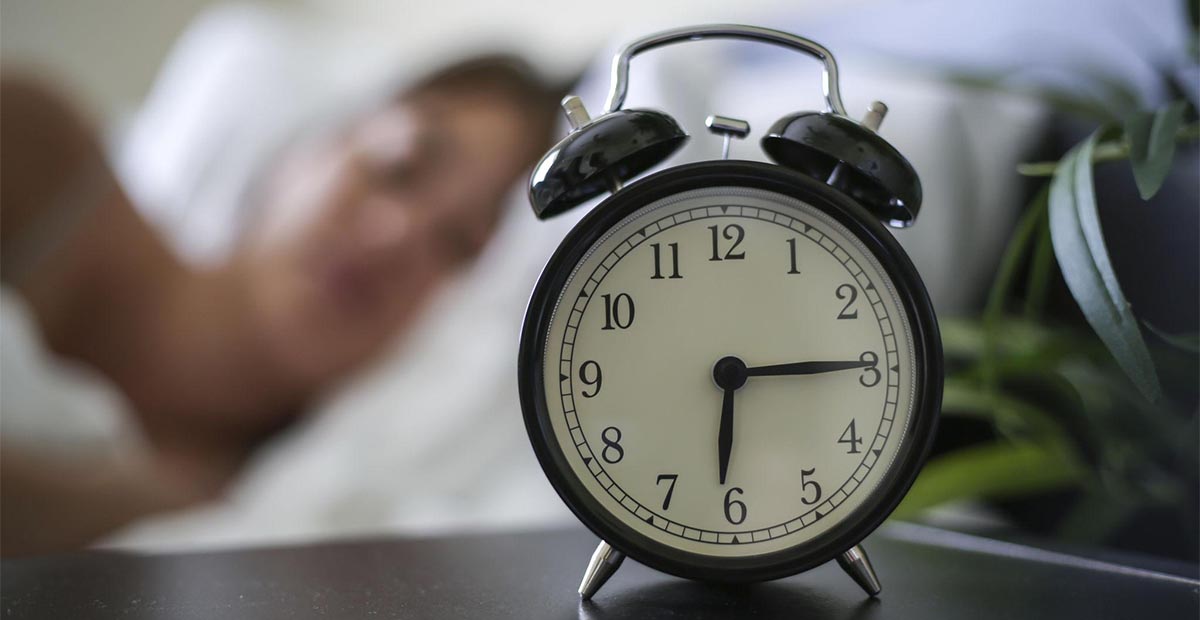
Sleep is not passive rest. During deep sleep, the brain performs essential cleaning processes, removing metabolic waste that builds up throughout the day.
When sleep becomes inconsistent or shortened, toxins accumulate and interfere with memory formation and emotional regulation.
Why Deep Sleep Matters
Deep sleep supports learning, concentration, and emotional balance. Without it, the brain struggles to consolidate memories and repair damaged cells.
Hidden Sleep Debt
Even losing one or two hours nightly creates cumulative fatigue. Over time, this silent stress contributes significantly to the Silent Habits That Are Secretly Aging Your Brain.
Improving sleep timing alone can noticeably enhance mental clarity within weeks.
2 — Constant Screen Exposure and Digital Overload
Modern life surrounds us with notifications, scrolling, and continuous digital stimulation. While technology improves productivity, constant exposure overwhelms attention systems.
Blue Light and Mental Fatigue
Screens suppress melatonin production, delaying sleep and increasing mental exhaustion. The brain remains in alert mode long after devices are turned off.
Attention Fragmentation
Frequent interruptions prevent deep thinking. Over time, this reduces focus capacity and increases forgetfulness — a major contributor among the Silent Habits That Are Secretly Aging Your Brain.
Scheduling device-free periods allows the brain to reset naturally.
3 — Chronic Stress Without Recovery
Stress itself is not harmful; prolonged stress without recovery is. When cortisol levels remain elevated, areas responsible for memory and decision-making begin shrinking.
Stress and Memory Centers
The hippocampus, critical for learning and recall, becomes vulnerable under constant pressure.
Daily Recovery Is Essential
Simple practices such as breathing exercises, short walks, or mindfulness pauses lower stress signals and protect neural health. Ignoring recovery is one of the most overlooked Silent Habits That Are Secretly Aging Your Brain.
4 — Sitting Too Much and Moving Too Little
Physical movement directly affects brain performance. Exercise increases blood flow, delivering oxygen and nutrients necessary for cognitive function.
Movement Fuels Brain Growth
Regular activity stimulates brain-derived neurotrophic factor (BDNF), a protein linked to new neuron formation.
The Sedentary Trap
Long hours of sitting reduce circulation and slow mental processing. Even short activity breaks can reverse some effects associated with the Silent Habits That Are Secretly Aging Your Brain.
Diet strongly influences brain inflammation and energy stability.
Blood Sugar and Brain Fog
Rapid sugar spikes lead to crashes that impair concentration and mood.
Nutritional Protection
Healthy fats, antioxidants, and omega-3 fatty acids support neural repair. Highly processed foods, however, contribute quietly to the Silent Habits That Are Secretly Aging Your Brain by increasing oxidative stress.
Balanced meals stabilize mental energy throughout the day.
6 — Lack of Mental Challenge
The brain thrives on novelty and learning. Repeating identical routines without challenge reduces cognitive flexibility.
Why Routine Can Be Risky
Comfort zones limit neural stimulation. Without new experiences, brain connections weaken.
Simple Cognitive Training
Learning a language, solving puzzles, or acquiring new skills keeps pathways active and helps counter the Silent Habits That Are Secretly Aging Your Brain.
7 — Social Isolation and Reduced Conversation
Human interaction plays a surprisingly powerful role in brain health.
Conversation as Mental Exercise
Talking requires memory recall, emotional interpretation, and quick thinking — all essential brain functions.
Emotional Health Connection
Loneliness increases stress hormones and inflammation. Among the Silent Habits That Are Secretly Aging Your Brain, social isolation is one of the most underestimated risks.
Regular meaningful interaction strengthens emotional resilience and cognition.
8 — Multitasking and Constant Distraction
Many people pride themselves on multitasking, yet neuroscience shows the brain cannot truly focus on multiple complex tasks simultaneously.
The Cost of Divided Attention
Switching tasks repeatedly drains mental energy and increases mistakes.
Power of Single-Task Focus
Deep concentration strengthens attention networks and reduces cognitive fatigue. Persistent multitasking remains one of the most common Silent Habits That Are Secretly Aging Your Brain in modern workplaces.
9 — Ignoring Hydration and Nutrient Balance
Even mild dehydration affects attention, reaction time, and memory.
Water and Brain Performance
The brain is largely composed of water. Small deficits reduce efficiency quickly.
Daily Hydration Awareness
Consistent hydration supports circulation and toxin removal. Neglecting this basic need contributes quietly to the Silent Habits That Are Secretly Aging Your Brain.
How to Reverse Brain Aging With Small Daily Changes
The encouraging truth is that the brain responds rapidly to positive change. Unlike many organs, it continuously adapts.
Habit Stacking for Success
Adding one small healthy action to an existing routine increases consistency. For example:
- Stretch after waking
- Walk after meals
- Reduce screen time before sleep
Consistency Over Perfection
Small improvements practiced daily produce stronger results than extreme short-term efforts. Addressing the Silent Habits That Are Secretly Aging Your Brain gradually leads to sustainable transformation.
Building a Brain-Friendly Daily Routine
A supportive routine doesn’t require drastic lifestyle overhaul. Focus on foundational pillars:
- 7–8 hours of sleep
- Daily movement
- Balanced nutrition
- Mental stimulation
- Social interaction
- Stress recovery
These simple practices reinforce neural resilience and improve emotional balance.
Final Thoughts — Protecting Your Brain Starts Today
Brain aging is not controlled solely by genetics or age. It is shaped by thousands of small decisions repeated every day. Many behaviors that feel harmless quietly influence memory, focus, and long-term cognitive health.
Recognizing the Silent Habits That Are Secretly Aging Your Brain empowers you to make intentional changes. The goal isn’t perfection — it’s awareness and gradual improvement.
Your brain constantly adapts to how you live. By choosing healthier routines today, you create stronger mental clarity, better emotional stability, and a sharper future version of yourself.
Small habits may seem insignificant, but over time they become the difference between decline and vitality.
16 Habits You Never Knew Were Aging Your Brain
Simple Lifestyle Changes That Deliver Amazing Health Results in Just 30 Days













Post Comment