Health Tips
cancer vaccines, COVID-19 vaccines, immune compromised response, immune health tips, immune system health, immunocompromised individuals, infectious disease prevention, modern medicine breakthroughs, Moderna, mRNA research, mRNA vaccines, personalized vaccines, Pfizer-BioNTech, preventive healthcare, public health, vaccine boosters, vaccine safety, vaccine side effects, vaccine technology
JyotiSE
0 Comments
mRNA Vaccines and Your Immune System: What You Need to Know

mRNA Vaccines: A Modern Breakthrough in Health and Wellness

Introduction
For over a century, vaccines have been one of the most powerful tools in modern medicine—protecting humanity from diseases that once claimed millions of lives. From early smallpox inoculations to today’s seasonal flu shots, the goal has always been the same: prevention.
Then, in 2020, the world witnessed a medical breakthrough that changed the course of public health—the widespread use of mRNA vaccine technology. Unlike traditional vaccines, which often rely on weakened or inactivated viruses, mRNA vaccines work by delivering a simple set of genetic instructions—messenger RNA—to teach your immune system how to protect you.
This leap forward not only sped up vaccine development but also opened new doors for fighting a wide range of illnesses. But how do these vaccines actually work? Why are they considered such a game changer? And how can they support your long-term health and wellness? Let’s break it down.
1. What Is an mRNA Vaccine?
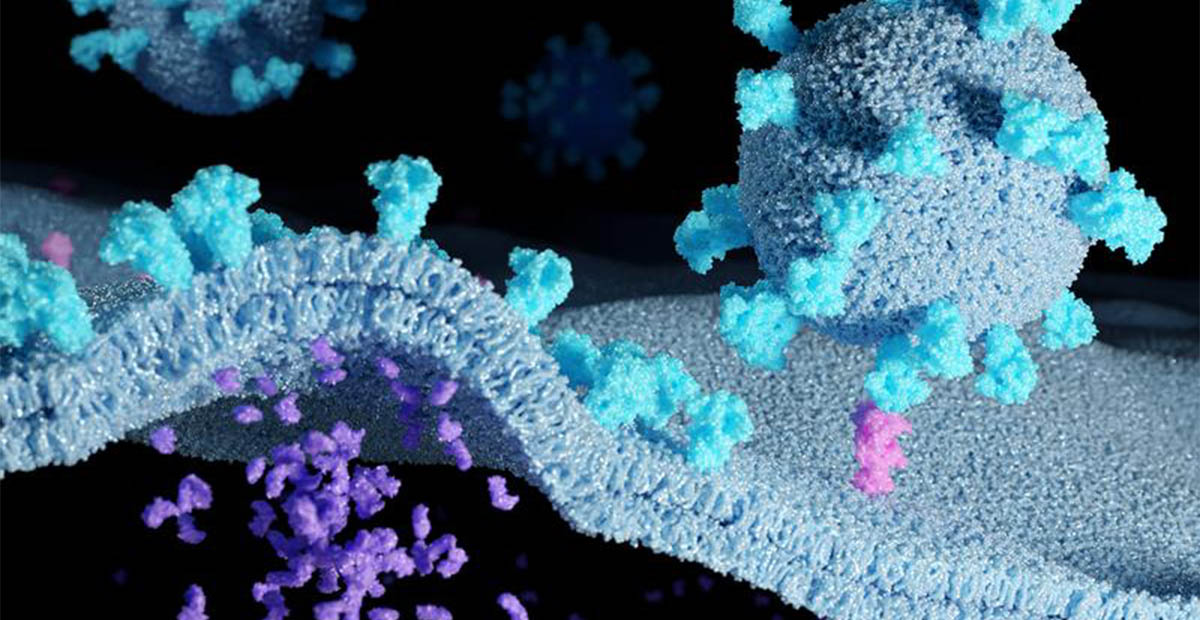
An mRNA vaccine uses a small segment of genetic code—messenger RNA—to tell your cells to make a harmless version of a protein from a virus. In the case of COVID-19 vaccines like Pfizer-Biotech and Modern, that protein is the spike protein found on the surface of the SARS-CoV-2 virus.
Once your cells create this protein, your immune system identifies it as foreign and responds by producing antibodies and “training” immune cells to remember it. This way, if you encounter the real virus later, your immune system can respond quickly and effectively.
Key differences from traditional vaccines:
- Traditional vaccines often use weakened or inactivated viruses.
- mRNA vaccines never contain the live virus—only the blueprint for a single harmless protein.
- They’re faster to design and don’t require handling infectious pathogens.
Although the COVID-19 pandemic brought mRNA technology into the spotlight, research into its use for cancer, influenza, and other diseases has been ongoing for decades.
2. How mRNA Vaccines Work in the Body
Think of mRNA as instructions sent to your body’s protein factories (ribosomes). Here’s the process step-by-step:
- Delivery – The mRNA is packaged in lipid nanoparticles (tiny fat bubbles) that protect it until it reaches your cells.
- Instruction Phase – Once inside, your cells follow the mRNA’s instructions to make a harmless viral protein.
- Immune Recognition – Your immune system spots the protein as a threat and begins building defenses.
- Memory Formation – Your body develops memory B cells (which make antibodies) and T cells (which kill infected cells) to ensure long-term protection.
Importantly, mRNA never enters the cell nucleus where your DNA is stored. It cannot change your genetic code and is naturally broken down after use.
3. Benefits of mRNA Vaccines for Immune Health
- Rapid Development – Once the genetic sequence of a virus is known, mRNA vaccines can be designed in weeks rather than years.
- Strong Immune Response – Studies show mRNA vaccines often trigger a powerful, targeted immune response.
- Adaptability – The “programmable” nature of mRNA means vaccines can be updated quickly to target new variants or entirely different viruses.
- Potential Beyond Viruses – Researchers are exploring mRNA vaccines for cancer, HIV, universal flu protection, and rare genetic disorders.
4. mRNA Vaccines in Preventive Healthcare & Wellness
In the bigger picture, mRNA vaccines represent more than a pandemic tool—they’re part of a proactive wellness strategy.
- Prevention First – Staying ahead of illness protects your body, reduces stress, and lowers medical costs.
- Protecting Communities – High vaccination rates protect vulnerable people, boosting public health.
- Long-Term Health – Preventing severe illness reduces the risk of complications like chronic fatigue, heart problems, or lung damage.
Vaccination fits into a wellness routine just like eating a balanced diet, exercising, and managing stress—it’s a proactive investment in your future health.
5. Addressing Safety and Side Effects
Understandably, some people have concerns about mRNA vaccines. Here’s what the science says:
Common, mild side effects (lasting 1–2 days and indicating your immune system is working):
- Sore arm
- Fatigue
- Headache
- Low-grade fever
- Muscle aches
Rare side effects:
- Mild cases of myocarditis (heart inflammation), mostly in young males, have been reported but remain rare—and the risks are far lower than those from the actual diseases.
Safety facts:
- mRNA does not alter DNA.
- The body breaks down the mRNA after use.
- Vaccines undergo rigorous safety testing before approval.
- Global monitoring ensures ongoing safety.
6. The Future of mRNA Vaccine Technology
We are only at the beginning of mRNA’s potential. Current research is exploring:
- More effective and longer-lasting flu and RSV vaccines.
- Cancer vaccines that teach the immune system to target tumors.
- Personalized vaccines tailored to individual immune profiles.
- Combination vaccines to protect against multiple diseases in one shot.
In the coming years, mRNA could become a cornerstone of preventive medicine—fighting not only infectious diseases but also some cancers and chronic conditions.
Final Thoughts
The development of mRNA vaccines is one of the most important medical advancements in recent history. They’ve already saved countless lives during the COVID-19 pandemic and could transform the way we prevent and treat disease in the future.
By working in harmony with your immune system, these vaccines strengthen your body’s natural defenses—making them a powerful tool for long-term wellness. As research advances, we can expect more breakthroughs that will make vaccination an even bigger part of everyday preventive healthcare.
Bottom line: mRNA vaccines aren’t just about today’s health—they’re an investment in a healthier tomorrow.
Refer: mRNA vaccine boosters and impaired immune system response in immune compromised individuals













Post Comment