Men’s Health Clues: From Fatigue to Pain, 10 Early Warning Signs You Should Never Ignore

Why Men Ignore Subtle Symptoms Until It’s Too Late
Men everywhere pride themselves on being strong, capable, and resilient. But behind that resilience lies a dangerous truth: most men ignore subtle health warnings until those warnings grow loud enough to become emergencies. In fact, research consistently shows that men seek medical help later than women, often waiting until symptoms escalate into something serious. This silence isn’t strength—it’s a widespread habit that puts millions at risk.
Your body constantly communicates with you. It sends signals, patterns, sensations, and changes—each one an early indicator that something inside needs attention. These signals are what we call men’s health clues, and understanding them could be the difference between early treatment and advanced disease.
In this comprehensive guide, we’ll break down 10 of the most critical men’s health clues that often get dismissed as “normal tiredness,” “age catching up,” or “small issues that will go away.” These clues are early messages your body sends before a primary problem forms—and paying attention to them can protect your long-term health, energy, and quality of life.
Understanding Early Warning Signs in Men’s Health
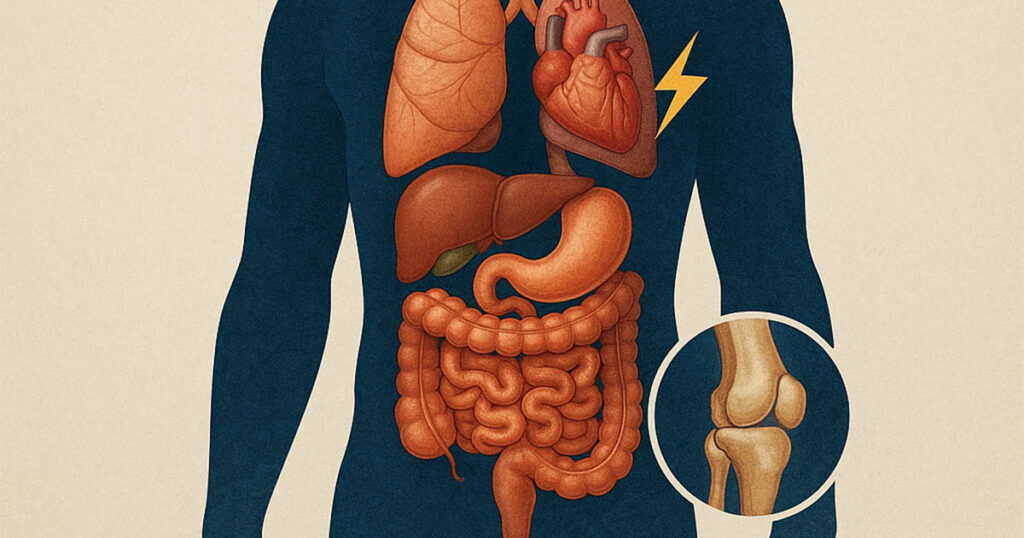
Every man experiences fatigue, aches, digestive issues, or stress at different times. But when these symptoms persist, intensify, or appear without an apparent reason, they should never be ignored. The mistake many men make is assuming symptoms are temporary or insignificant. But small, consistent changes in the body often reveal deeper issues.
Medical professionals emphasize that men’s health clues are rarely random. They’re biological signals pointing toward an underlying imbalance—whether hormonal, cardiovascular, metabolic, or psychological. Unfortunately, many men normalize these clues instead of seeing them as warnings.
This article will help you differentiate harmless discomforts from meaningful health clues that demand attention.
Why Men Ignore Subtle Symptoms Until It’s Too Late
The “I’m Fine” Mindset
Most men grow up being taught to tough things out and feeling tired. Push through. Something hurts? Walk it off. This internalized belief is one of the biggest reasons men ignore early men’s signs of health.
Cultural Pressure to Stay Strong and Silent
Movies, society, and even family environments encourage men to remain silent about their struggles. Talking about pain or weakness is often seen as unmanly. So symptoms get pushed aside.
Embarrassment About Personal Symptoms
Issues related to digestion, sleep, sexual health, or bathroom habits make many men uncomfortable. Embarrassment stops them from discussing crucial men’s health clues that could detect early disease.
Fear of Diagnosis
For many men, not knowing feels safer than knowing. The possibility of hearing something serious leads to avoiding medical help—even when their body’s clues are loud and clear.
Busy Work and Family Routines
Modern life demands so much from men—careers, responsibilities, financial pressures. They deprioritize their own health because they “don’t have time” to check symptoms.
Misreading the Symptoms
Many early health signs feel subtle—mild fatigue, minor aches, slight mood changes. They don’t feel urgent, so men tend to minimize them.
Ignoring these early men’s health clues, however, allows minor problems to grow into major ones. Recognizing this pattern is the first step toward healthier living.
1. Persistent Fatigue That Doesn’t Improve With Rest
Everyone feels tired occasionally—but when fatigue becomes a constant companion, it’s one of the strongest men’s health clues. Persistent tiredness might indicate:
- Low testosterone
- Thyroid issues
- Chronic stress
- Sleep apnea
- Diabetes
- Nutrient deficiencies
- Early heart disease
The biggest mistake men make is blaming age or workload. If you’re sleeping well but still feel exhausted every day, your body is signaling an imbalance.
2. Unexplained Muscle or Joint Pain
Physical strain, workouts, or long workdays can cause soreness. But pain without reason—or pain that doesn’t improve—is a warning sign.
Unexplained pain may point to:
- Inflammation
- Arthritis
- Circulation problems
- Autoimmune disorders
- Nerve compression
- Vitamin D deficiency
Men often tolerate pain longer than they should, writing it off as “normal aging.” But these pains are essential clues to health that shouldn’t be ignored.
3. Sudden Weight Loss or Weight Gain
Rapid weight changes, even when diet and activity remain the same, are significant indicators of internal issues.
This can suggest:
- Hormonal imbalance
- Thyroid disorders
- Depression
- Metabolism slowdown
- Digestive disorders
- Diabetes
Both weight loss and weight gain carry risks and are often overlooked men’s health clues.
4. Frequent Chest Tightness or Shortness of Breath
Men are most likely to dismiss heart-related symptoms, often mistaking them for acidity, anxiety, or fatigue. But chest tightness, especially with shortness of breath, is a red alert.
Possible causes include:
- Heart disease
- High blood pressure
- Angina
- Blood clot
- Lung problems
- Panic disorder
This is one of the most dangerous signs of men’s health—never ignore it.
5. Digestive Issues That Keep Coming Back
Bloating, stomach aches, constipation, diarrhea, or nausea that appear frequently may indicate:
- Gastric inflammation
- Food intolerances
- Liver issues
- IBS
- Ulcers
- Colon problems
Men often ignore digestive symptoms out of embarrassment, but these men’s health clues can reveal early signs of severe conditions.
6. Constant Headaches or Vision Changes
Frequent headaches are not typical. When paired with dizziness or blurred vision, they become significant warnings.
Possible causes:
- High blood pressure
- Eye strain
- Nerve issues
- Stress
- Dehydration
- Migraine disorders
Ignoring these men’s health clues could put your long-term health at risk.
7. Low Energy, Low Mood, or Irritability
Mental health is just as crucial as physical health. Mood changes often reflect underlying medical problems.
Possible reasons include:
- Depression
- Anxiety
- Hormonal imbalance
- Chronic stress
- Vitamin deficiency
- Sleep disorders
Men often think emotional symptoms reflect weakness—but they are valid and critical clues to men’s health.
8. Changes in Bathroom Habits You Shouldn’t Ignore
Bathroom-related symptoms men commonly ignore include:
- Frequent urination
- Painful urination
- Difficulty starting or stopping
- Changes in color
- Night-time urination
- Weak urine stream
These symptoms may indicate:
- Prostate enlargement
- Kidney problems
- Urinary infections
- Diabetes
Bathroom issues are uncomfortable to talk about, but these men’s health clues can detect life-threatening conditions early.
9. Trouble Sleeping or Waking Up Unrested
Poor sleep is one of the earliest signals of health imbalances. Whether you can’t fall asleep, wake up often, or feel unrested, something deeper may be going on.
Sleep problems can point to:
- Stress
- Sleep apnea
- Hormonal imbalance
- Depression
- Cardiac issues
Ignoring sleep-related clues in men’s health can affect immunity, weight, and brain function.
10. Lumps, Swelling, or Unusual Skin Changes
Any unexpected lump or swelling should always be taken seriously. Skin changes, moles, discoloration, or growths can also indicate early problems.
Potential causes:
- Tumors
- Cysts
- Infections
- Hernias
- Skin cancer
Many men hope lumps “disappear on their own,” but this is one of the most critical clues in men’s health, requiring immediate evaluation.
How Lifestyle Choices Influence Long-Term Men’s Health
Bad habits intensify symptoms and delay healing. Common contributors include:
- High stress
- Poor diet
- Alcohol
- Smoking
- Lack of exercise
- Ignoring regular checkups
Healthy habits strengthen the body’s early warning system, helping you recognize men’s health clues more clearly.
When to See a Doctor—And Why Early Action Saves Lives
The rule is simple: if a symptom lasts more than two weeks, interferes with daily life, or suddenly appears without explanation, you should see a doctor.
Ignoring men’s health clues forces your body to fight harder, allowing minor issues to grow into major medical problems. Early diagnosis saves lives, money, time, and long-term health.
Final Thoughts
Your body isn’t your enemy—it’s your messenger. Every discomfort, every pain, every change tells a story. And the earlier you listen, the better your chances of preventing illness before it starts.
These men’s health clues are not meant to scare you. They’re meant to empower you. Being proactive is not a weakness—it’s wisdom.
Men put off doctor visits to keep sprits up during festive season – but health takes a hit
Aggressive Brain Tumors: 5 Powerful Findings from a Game-Changing Hypertension Drug Study













Post Comment