From Diet to Screen Time: Wellness Lessons in the New MAHA Report

Healthy Kids, Stronger Futures: Breaking Down RFK Jr.’s MAHA Report

Discover the key wellness insights from RFK Jr.’s new MAHA report, covering children’s diet, screen time, vaccines, and lifestyle habits to build a healthier future.
Introduction: A Wellness Wake-Up Call
Children’s health in America is standing at a critical crossroads. Rates of chronic illness, obesity, ADHD diagnoses, and even early-onset diabetes are rising faster than ever before. Families, educators, and health professionals are asking a question that feels increasingly urgent: What’s happening to our kids’ wellness, and how can we reverse the trend?
Earlier this week, Robert F. Kennedy Jr. introduced the MAHA Report (Make Our Children Healthy Again), a 20-page strategy meant to address the ongoing childhood health crisis. The document has already sparked heated debate, but beneath the controversy lie valuable insights that parents, schools, and communities can start applying right away.
This article breaks down the most critical wellness lessons from the MAHA report, focusing on five key areas: diet, screen time, physical activity, environmental exposures, and preventive health.
Diet and Nutrition: Beyond Processed Foods
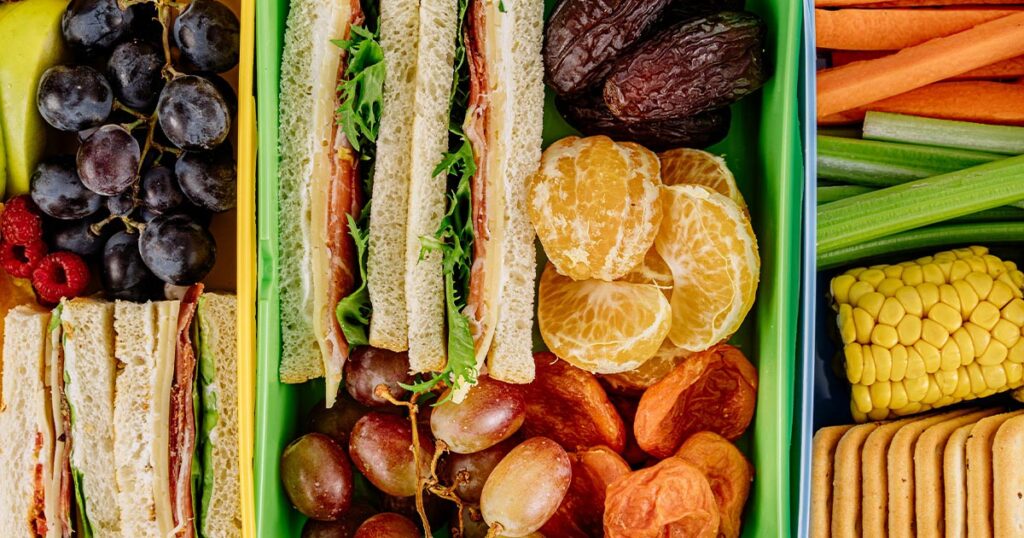
The strongest theme of the MAHA report is nutrition and specifically the damage done by ultra-processed foods. In many households, sugary cereals, sodas, salty snacks, and fast-food meals have become the norm. These options are high in calories but poor in nutrients, creating a cycle of malnutrition that raises the risk of obesity, diabetes, and other chronic conditions.
- What MAHA Proposes: Schools should serve healthier meals, federal programs should limit junk food purchases, and the very definition of “ultra-processed” food should be revisited.
- Wellness Lesson: Parents can take the lead by reshaping eating habits at home. Replacing packaged snacks with fruits, veggies, whole grains, and lean proteins goes a long way. Even better, involving kids in grocery shopping or cooking makes nutrition feel like a family activity rather than a chore.
Takeaway: Nutrition is about more than calories. It’s about nourishing young bodies with the vitamins and minerals that fuel growth, learning, and long-term resilience.
Screen Time: Addiction or Awareness?
The MAHA report doesn’t shy away from a modern health challenge: excessive screen use. Children now spend hours each day on tablets, phones, and gaming systems, and research increasingly links overuse to sleep problems, anxiety, attention issues, and weight gain.
- What MAHA Proposes: Launching school-based awareness campaigns and researching whether “screen addiction” should be treated like substance abuse.
- Wellness Lesson: Families don’t need to wait for new national policies. Simple steps such as setting tech-free times (during dinner or before bed), encouraging outdoor activities, and modeling balanced screen habits as parents help restore healthy boundaries.
Takeaway: Screens are part of modern life, but balance matters. Kids thrive when digital time is paired with real-world play, creativity, and human connection.
Physical Activity: Moving Back Into Focus
Another theme of the report is physical activity. For decades, schools across the U.S. measured fitness through the Presidential Physical Fitness Test, a program MAHA suggests reviving in some form. While critics call it outdated, the underlying concern is valid: children simply aren’t moving enough.
- The Reality: Only about one in four kids meets the daily recommendation of 60 minutes of exercise.
- Wellness Lesson: Structured testing isn’t the only solution. Families can make small changes, like walking to school, riding bikes, joining local sports, or even turning on music for spontaneous living-room dance breaks.
Takeaway: Exercise doesn’t need to feel like punishment. The best kind of movement is the kind that feels joyful and keeps kids coming back for more.
Environmental & Chemical Exposures: The Invisible Threats
The MAHA report also spotlights a quieter danger: environmental toxins. Pesticides, food additives, and microplastics may be invisible to the eye, but research shows they can influence hormone development, immunity, and long-term wellness.
- What MAHA Proposes: Increased research into these exposures, with an emphasis on cooperation from food and chemical industries instead of sweeping bans.
- Wellness Lesson: While national policy debates continue, families can make simple household changes. Choosing organic produce when possible, washing fruits and vegetables thoroughly, and avoiding microwaving food in plastic containers all reduce risks.
Takeaway: Parents may not control national regulations, but they can control daily choices. Awareness is the first step toward safer environments.
Preventive Health: Vaccines, Vaping, and Baby Formula
The most controversial section of the MAHA report addresses vaccines and pharmaceutical oversight. Kennedy has called for deeper investigations into vaccine safety, ADHD medication approvals, and contamination in baby formula. Critics warn that this rhetoric could erode public trust in mainstream medicine.
Still, there are practical lessons worth noting:
- Preventive Care Matters: Parents should stay engaged with pediatric checkups, ask informed questions about prescriptions, and monitor the nutritional quality of formula and packaged baby foods.
- Youth Vaping as a Wellness Crisis: The report highlights teen vaping as an urgent issue. With flavored products marketed toward young audiences, vaping poses both immediate and long-term health risks. Families can counter this trend through open, nonjudgmental conversations and by offering healthier outlets for stress.
Takeaway: Prevention is powerful. Staying proactive with doctor visits, medication awareness, and honest dialogue gives kids a stronger foundation for lifelong health.
The Wellness Gap: Criticism and Opportunity
Not everyone is impressed by the MAHA strategy. Public health groups argue it leans too heavily on voluntary action and lacks strong regulation of corporations that profit from junk food, harmful additives, or aggressive advertising. Without real enforcement, they say, the report risks being more talk than transformation.
But here’s the silver lining: families don’t have to wait for policy change. The most meaningful health improvements often begin at home.
Everyday choices add up:
- Preparing more meals at home.
- Setting and enforcing screen time limits.
- Prioritizing outdoor play and movement.
- Talking openly about stress, emotions, and healthy coping.
These small shifts, when repeated consistently, create powerful long-term habits.
MAHA Report 2025: Children’s Health Plan Full Analysis
Conclusion: A Call to Action for Families
The MAHA report may not overhaul national health policy overnight, but its actual value lies in the reminder it delivers: childhood wellness cannot wait.
From diet to screen time, physical activity to preventive care, the report highlights areas where every parent, caregiver, and community can take action today. While government guidance may provide direction, real change often begins at the dinner table, in the schoolyard, or during bedtime routines.
Final Thought: “Make Our Children Healthy Again” isn’t just a political slogan. It’s a challenge and a responsibility for every household. When families embrace small, consistent steps toward wellness, the ripple effects extend far beyond their own children, shaping a healthier future for generations.
Teaching Kids to Think Critically: Joseph Ladapo’s New Approach to Wellness











Post Comment