Lowering Stress for Weight Loss: 7 Thing how to Go From Tired to Trim Naturally

Why Stress Makes Weight Loss So Hard
The Cortisol–Fat Storage Connection

If you feel exhausted, stuck with stubborn fat, and frustrated by slow results, you’re not alone. Millions of people struggle to lose weight despite eating “right” and exercising regularly. The missing piece often isn’t willpower—it’s stress.
In 2026, wellness experts are shifting focus toward lowering stress for weight loss as a sustainable, science-backed approach. When your body is calm, your hormones balance, cravings fade, and fat loss becomes easier.
This guide explains how stress blocks weight loss—and how you can finally move from tired to trim naturally.
Why Stress Makes Weight Loss So Hard

The Cortisol–Fat Storage Connection
Cortisol is your body’s main stress hormone. When it stays high for too long, your body shifts into survival mode—storing fat instead of burning it.
High cortisol levels:
- Increase belly fat
- Slow metabolism
- Trigger sugar cravings
- Disrupt sleep
This is why lowering stress for weight loss is more powerful than cutting calories alone.
How Chronic Stress Slows Your Metabolism
Stress tells your body to conserve energy. Over time, this lowers your metabolic rate and makes fat loss harder—even if you’re active.
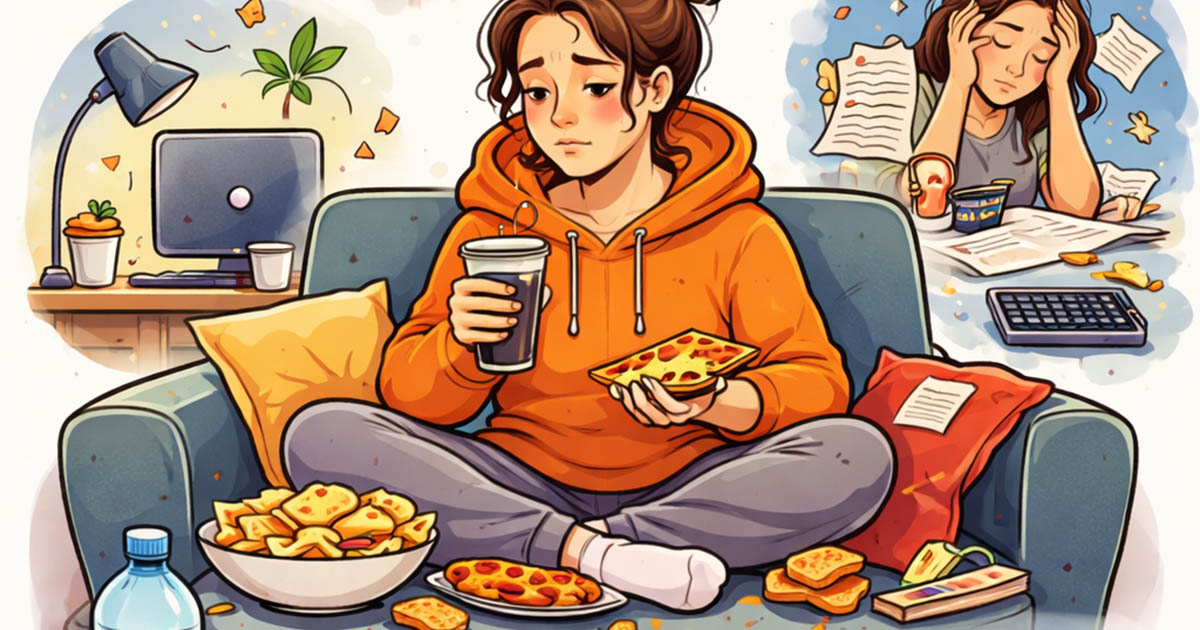
Emotional Eating and Stress Cravings
Stress increases cravings for comfort foods like sugar, carbs, and salty snacks. These foods temporarily lower cortisol but lead to weight gain long-term.
The Science Behind Stress and Fat Gain
What Happens to Your Body Under Constant Pressure
When stress becomes chronic, your body never fully relaxes. This constant tension keeps cortisol elevated and fat burning suppressed.
Hormonal Imbalance and Belly Fat
High cortisol interferes with insulin, estrogen, and testosterone—key hormones that regulate fat storage.
Sleep Disruption and Weight Gain
Stress reduces deep sleep. Poor sleep increases hunger hormones and decreases fat-burning hormones.
That’s why lowering stress for weight loss often improves sleep and results.
Signs Your Stress Levels Are Blocking Weight Loss
Constant Fatigue and Low Motivation
If you’re always tired, your body is likely overwhelmed.
Stubborn Belly Fat
Cortisol targets abdominal fat first.
Poor Sleep and Sugar Cravings
Stress and sleep loss fuel cravings and slow recovery.
How Lowering Stress Supports Natural Weight Loss
Better Hormone Balance
When stress drops, hormones stabilize—unlocking fat loss.
Improved Energy Levels
Calm bodies use energy more efficiently.
Reduced Cravings
Less stress means fewer emotional food triggers.
Lowering stress for weight loss allows your body to work with you, not against you.
Simple Daily Habits to Reduce Stress
Morning Calm Routines
Start your day without rushing. Gentle mornings reduce cortisol spikes.
Breathwork and Relaxation Techniques
Slow breathing activates your nervous system’s “fat-burning mode.”
Digital Detox for Mental Clarity
Constant notifications keep your brain stressed. Less screen time = better hormone balance.
Nutrition Tips That Support Stress Control
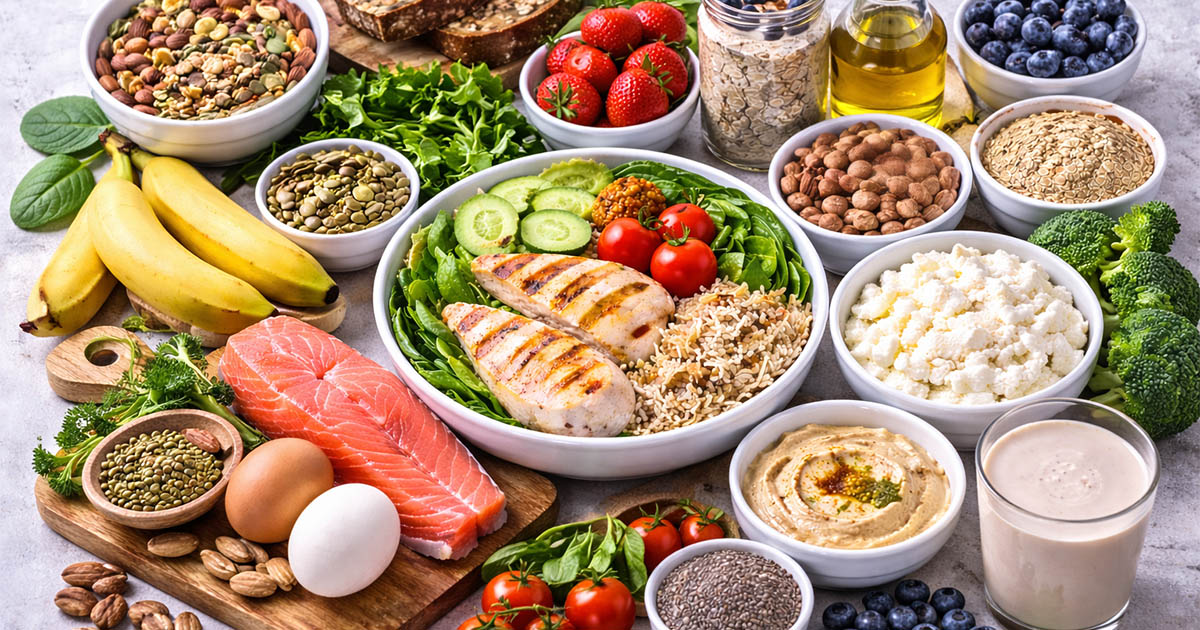
Foods That Lower Cortisol
- Leafy greens
- Avocados
- Berries
- Fatty fish
- Dark chocolate
Avoiding Stress-Triggering Foods
Too much caffeine, sugar, and alcohol increases cortisol.
Hydration and Mineral Balance
Dehydration raises stress hormones. Drink water regularly.
Gentle Movement for Stress-Free Fat Loss
Why Low-Impact Exercise Works
Walking, yoga, and swimming reduce cortisol instead of increasing it.
Walking, Yoga, and Stretching
These support lowering stress for weight loss without burning you out.
Avoiding Overtraining
Too much intense exercise increases stress and stalls fat loss.
Creating a Sustainable, Calm Lifestyle
Building Consistent Routines
Routine = safety for your nervous system.
Protecting Your Mental Energy
Set boundaries. Your peace is part of your health.
Long-Term Weight Management Without Burnout
Calm habits create lasting results.
Why 2026 Is the Year of Stress-Based Weight Loss
People are done with:
- Extreme dieting
- Punishing workouts
- Constant burnout
Lowering stress for weight loss offers:
- Better sleep
- Balanced hormones
- Sustainable fat loss
- Improved mood
It’s not about doing more—it’s about doing less, better.
Final Thoughts: From Tired to Trim
Your body isn’t broken. It’s just stressed.
When you support your nervous system, everything changes:
- Cravings fade
- Energy returns
- Fat loss becomes natural.
Lowering stress for weight loss isn’t a trend—it’s a transformation.
Also read for more information : Stress and Weight Loss: What’s the Connection?
Read next on Lifenurt : Fat Loss Without Burnout: The New 5 Way to Stay Lean and Energized
The New Weight Balance Formula (2026): Simple & Powerful Results












Post Comment