Invisible Calories: 10 Hidden Daily Choices That Quietly Sabotage Your Weight Loss
Sugary Coffee Add-Ons You Don’t Count But Always Consume
How Creamers, Syrups, and “Healthy” Sweeteners Add Up
Weight loss is not only about what you eat—it’s also about what you don’t realize you’re eating. Most people track their meals, count macros, watch their snacks, and even weigh out ingredients… yet their progress stalls. Why?
Because the biggest enemy of sustainable weight loss is something nearly everyone underestimates:
Invisible Calories.
These are the calories you never track, forget to log, don’t notice, or simply don’t think matter. But they absolutely do matter—and they often make the difference between losing weight and staying stuck.
In this complete guide, we break down 10 everyday habits that secretly add hundreds of Invisible Calories to your day and quietly sabotage your weight-loss goals. Each section gives you simple, science-backed fixes that help you lose weight without dieting harder—only smarter.
Let’s reveal the hidden traps.
1. Sugary Coffee Add-Ons You Don’t Count But Always Consume
Your morning coffee might look innocent.
But if you’re adding syrups, flavored creamers, sweet foams, or whipped toppings, you may be drinking 150–350 Invisible Calories before breakfast even begins.
How Creamers, Syrups, and “Healthy” Sweeteners Add Up
The marketing around creamers and syrups often downplays serving sizes.
Most people pour three to four times the listed amount without realizing it.
A single tablespoon of flavored creamer = 35–45 calories.
Most mugs contain 3–6 tablespoons.
What feels like “just coffee” is actually dessert in a cup.
The Calorie Trap of Daily Café Lattes
Your go-to café latte?
Depending on size, milk choice, and add-ons, you could be sipping:
- 180 calories for a basic latte
- 350–450 calories for a flavored version
- 500+ for caramel or mocha variations
These calories never feel like real food—but your body stores them anyway.
2. Cooking Oils: The Silent Calorie Bomb in Home Meals
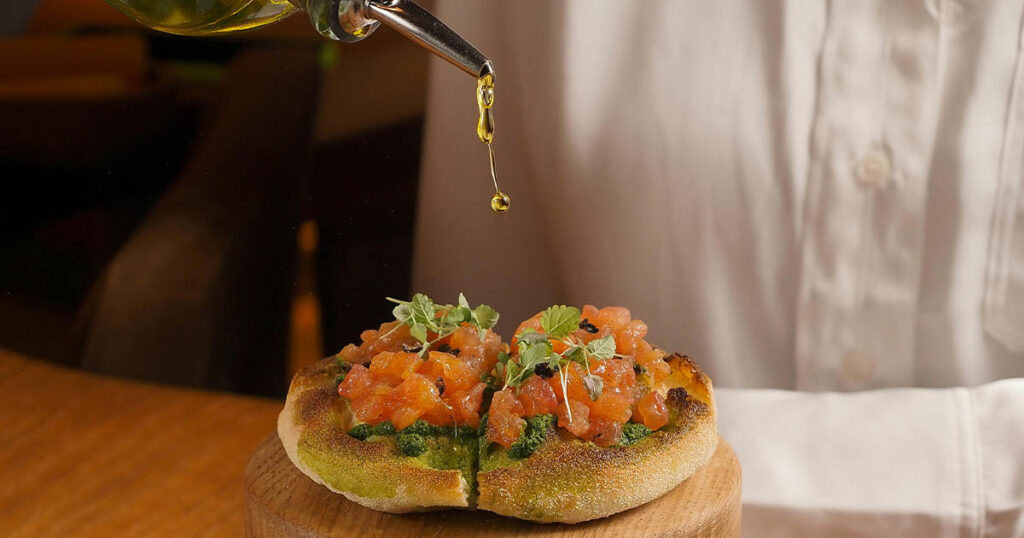
A tablespoon of oil contains about 120 calories.
But the average person pours 2–4 tablespoons per meal without even noticing.
Invisible Calories thrive in this area because oil spreads, mixes, and disappears into the food.
Why One Extra Tablespoon Changes Your Deficit Completely
If your daily calorie deficit is 300–400 calories, one careless drizzle of oil wipes it out instantly.
This makes weight loss feel “mysteriously slow,” even when your meals look clean.
Better Ways to Measure Your Oils and Butter
Try:
- A measured teaspoon (40 calories)
- A spray oil bottle (5–10 calories per use)
- Non-stick pans
- Water sautéing for veggies.
Small changes remove hundreds of Invisible Calories weekly.
3. “Healthy” Snacks That Carry More Calories Than Expected

Marketing is powerful.
Even the healthiest-looking snack can hide more calories than a small meal.
Granola Bars, Trail Mix, and Nut Butters Explained
Granola bars often contain:
- Added sugar
- Nut oils
- Chocolate chips
- Honey or syrups
Many bars are 200–300 calories each.
Trail mix?
Half a cup is often 300–400 calories, and most people eat double that.
Nut butter?
A “tablespoon” is almost always a heaping tablespoon (180–220 calories).
Smart Portion Control Strategies
- Choose single-serving packets
- Pre-weigh snacks
- Replace trail mix with fruit + a few nuts.
- Stick to whole foods to avoid Invisible Calories.
4. Hidden Calories in Restaurant Sauces & Dressings
Restaurants don’t use sauces sparingly.
They use them generously—to enhance flavor and keep customers coming back.
The Big Problem With Ranch, Alfredo, and Creamy Dips
A few tablespoons of restaurant ranch can add 200+ Invisible Calories.
Alfredo sauce can add 400–600.
Chipotle mayo, aioli, and creamy dressings? Add another 150–300.
These sauces cling to food and disappear visually—making them the perfect Invisible Calories trap.
Ordering Hacks That Save You 200–300 Calories Instantly
- Request sauces on the side
- Ask for dressing “light.”
- Choose salsa, mustard, or vinegar.
- Swap creamy sauces for lemon or herbs.
5. Nighttime Munching That Flies Under Your Awareness
Most people underestimate nighttime calories more than anything else.
Why?
Because nighttime snacking is emotional, automatic, and fast—activating the perfect zone for Invisible Calories.
Why the Brain Doesn’t Track Calories After Sunset
Studies show that willpower dips at night due to:
- Stress
- Fatigue
- Habit
- Reward-seeking behavior
This is when small snacks—chips, biscuits, nuts, candies—add up without guilt or awareness.
Practical Replacements for Late-Night Cravings
- Herbal tea
- Sparkling water
- Greek yogurt
- Protein shake
- Air-popped popcorn
6. “Taste Testing” While Cooking at Home
This is one of the biggest sources of Invisible Calories—and almost nobody counts it.
How 5–7 Small Bites Add Up to a Full Snack
A nibble of cheese
A spoonful of sauce
A corner of bread
A few nuts
Half a spoon of curry
One cooking session may add 150–350 calories without ever reaching a plate.
Mindful Cooking Habits to Break This Cycle
- Keep gum or mints nearby.
- Drink water while cooking.
- Use smaller tasting spoons.
- Plate a small tasting portion intentionally.
7. Drinks Marketed as “Healthy” but Loaded With Sugar
Many drinks labeled as healthy have sugar levels rivaling soda.
Smoothies, Juices, and Electrolyte Drinks Exposed
A “healthy fruit smoothie” often contains:
- 2–3 bananas
- Fruit concentrates
- Added sugar
- Frozen yogurt
Calories: 300–600
Invisible Calories: very high
Electrolyte drinks often contain:
- 25–35g sugar
- Hidden syrups
- High-fructose ingredients
Low-Calorie Drink Options That Still Taste Good
- Lemon water
- Unsweetened iced tea
- Coconut water (limited amounts)
- Zero-sugar electrolyte drinks
8. Oversized Portions Because of Large Plates & Bowls
Your dishes trick your brain.
The Psychology of Dish Size and Overeating
Studies show that people serve 22% more food when using large plates.
This creates an illusion of small portions while adding more Invisible Calories.
Portion Sizes That Match Weight-Loss Goals
- Use 9-inch plates instead of 12-inch.
- Fill half your plate with veggies.
- Measure carbs like rice and pasta.
- Use smaller bowls for snacks.
9. Eating Too Fast to Realize You’re Overeating
Eating quickly reduces your body’s ability to signal fullness.
How Speed Eating Confuses Hunger Hormones
Leptin (the fullness hormone) takes about 20 minutes to respond.
Fast eaters often finish their meals before this signal activates.
This leads to overeating Invisible Calories even in healthy meals.
Slow-Eating Techniques Backed by Science
- Put your fork down between bites.
- Chew 10–15 times per mouthful.
- Sip water during the meal.
- Eat with intention, not distraction.
10. “Healthy” Cooking Methods That Still Add Calories
Air-frying, roasting, and sautéing are healthier than deep-frying…
But they still can pack countless Invisible Calories if not done right.
Air-Frying, Roasting, and Sautéing Myths
Many people:
- Overspray oil
- Add butter for flavor.
- Use sugary marinades
- Glaze veggies with honey or syrup.
How to Truly Reduce Calories Without Losing Flavor
- Use oil sprays
- Try herbs, spices, lemon, and vinegar.
- Roast veggies without added sugar
- Use broth instead of oil when sautéing.
Final Thoughts: Invisible Calories Are the Biggest Weight-Loss Saboteurs
You may follow every weight-loss rule…
But if Invisible Calories sneak into your day, they quietly erase your calorie deficit.
The solution isn’t stricter dieting—it’s higher awareness.
When you learn to spot Invisible Calories, your weight-loss journey becomes smoother, faster, and far more predictable.
Master these small habits, and the scale will finally start moving in your favor.
Also read for more information : 5 Sneaky Sources of Hidden Calories That Sabotage Weight Loss
Read next on Lifenurt : 10 Common Weight Management Mistakes You Should Avoid in 2025









Post Comment