Intermittent Fasting Decoded: A Practical Guide Beyond the Hype

What Is Intermittent Fasting, Really?
Intermittent Fasting vs Traditional Dieting

Intermittent Fasting has become one of the most talked-about approaches in modern weight management. From fitness influencers to medical professionals, everyone seems to have an opinion. Some promote it as a metabolic breakthrough, while others dismiss it as just another passing trend.
The reality is far more balanced.
This eating approach is neither a miracle solution nor a dangerous fad. When used thoughtfully, it can support long-term weight management, metabolic health, and lifestyle flexibility. When misunderstood or pushed too far, it can backfire.
This guide strips away exaggeration and explains what actually matters — how fasting-based eating works, who benefits most, and how to apply it in a way that fits real life.

What Is Intermittent Fasting, Really?
At its core, Intermittent Fasting focuses on when you eat rather than obsessing over every calorie. Instead of spreading meals across the entire day, food intake is limited to a specific window, followed by a longer period without eating.
During fasting hours, the body gradually shifts from relying on incoming glucose to using stored energy. This transition plays a key role in why many people experience improved appetite control and steadier energy levels.
Intermittent Fasting vs Traditional Dieting
Conventional diets often rely on constant restriction, which can increase hunger and slow adherence over time. Fasting-based routines work differently by creating natural breaks from eating, reducing the mental fatigue associated with dieting.
Why Meal Timing Matters
Extended eating periods can keep insulin levels elevated throughout the day. Structured fasting allows insulin to fall, encouraging the body to access stored fat more efficiently.
The Role of Eating Windows
Eating windows aren’t about deprivation. They’re about restoring rhythm — allowing digestion, hormones, and metabolism to operate with less strain.
Popular Fasting Approaches Explained
Not all fasting schedules suit everyone. Choosing the right structure makes the difference between sustainability and burnout.
16:8 Method
This approach involves eating within an eight-hour window and fasting for the remaining sixteen hours. It’s one of the most commonly adopted formats due to its flexibility.
14:10 Method
A softer entry point, this option allows the body to adapt gradually while still supporting weight management goals.
5:2 Style Eating
Two lower-calorie days each week paired with normal eating on other days can work well for those who prefer variety.
Alternate-Day Fasting
This advanced approach requires caution and is best reserved for experienced individuals or those working with a professional.
How Fasting Cycles Affect the Body
Understanding internal changes helps set realistic expectations.
Insulin and Fat Utilization
When insulin levels drop during fasting periods, fat becomes more readily available as a fuel source—a key factor in sustainable weight management.
Hormonal Support
Short fasting periods may support growth hormone levels, helping preserve lean mass while encouraging fat loss.
Metabolic Adaptation
Contrary to popular fear, moderate fasting does not automatically slow metabolism. In many cases, it improves metabolic flexibility when nutrition remains adequate.
Real Benefits vs Overstated Claims
There are genuine advantages, but unrealistic expectations often cause disappointment.
What You Can Expect
Consistent routines often lead to improved appetite awareness, reduced snacking, and more intentional eating habits.
Mental Focus and Energy
Once adapted, many people report steadier energy and fewer crashes during the day.
What It Won’t Do
No eating pattern can override chronic stress, poor sleep, or nutrient-poor food choices. Intermittent Fasting works best as part of a broader lifestyle approach.
Who Should Be Careful
Fasting is not universal.
Health Conditions That Need Guidance
Those with diabetes, a history of disordered eating, or hormonal imbalances should seek professional advice.
Women and Hormonal Sensitivity
Women may need more flexibility, shorter fasting windows, or cyclical breaks.
Warning Signs
Persistent fatigue, irritability, dizziness, or disrupted sleep suggest the approach may need adjustment.
How to Start the Right Way
A smart beginning prevents unnecessary stress.
Choosing a Sustainable Schedule
Consistency matters more than intensity. A manageable routine always outperforms an extreme one.
What to Eat During Eating Windows
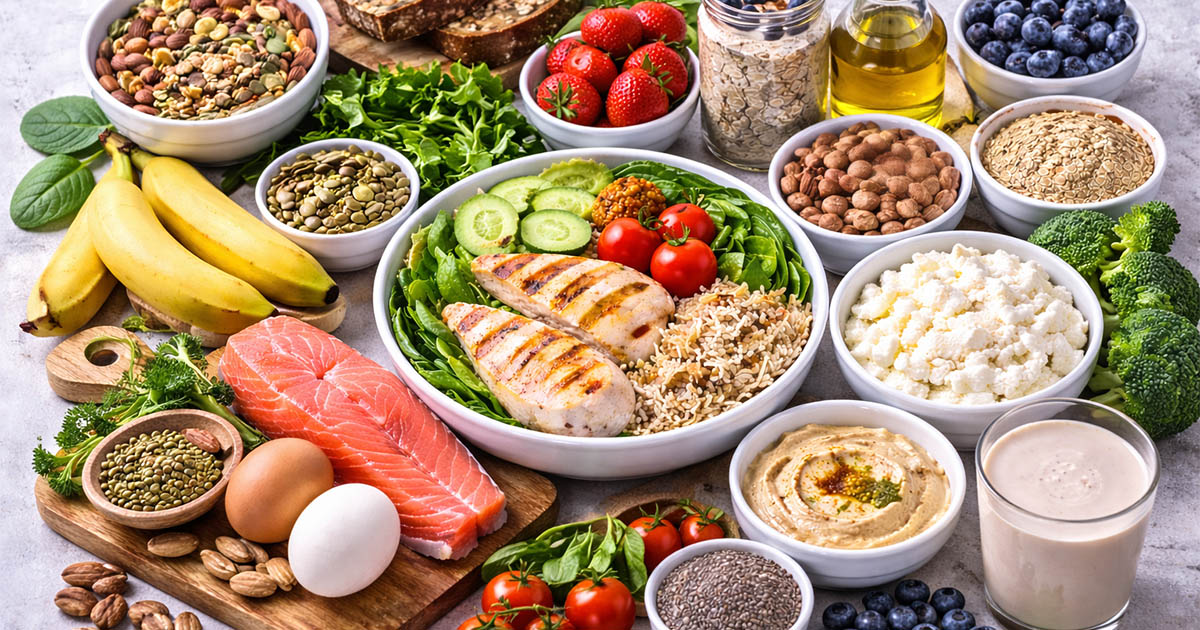
Prioritize protein, fiber, healthy fats, and whole foods. Nutrient quality determines results more than fasting duration.
Hydration and Electrolytes
Adequate water and mineral intake help prevent headaches and fatigue during fasting hours.
Common Mistakes That Stall Progress
Many people struggle not because fasting doesn’t work, but because of avoidable errors.
Overcompensating With Large Meals
Fasting is not a license to binge. Balance matters.
Neglecting Protein
Insufficient protein intake can slow progress and increase muscle loss.
Stacking Extreme Restrictions
Combining fasting with aggressive calorie cuts often leads to burnout.
Using Fasting for Long-Term Weight Management
The goal isn’t perfection — it’s longevity.
Building Flexibility
Life events, social meals, and travel should fit into your routine, not derail it.
Pairing With Gentle Movement
Walking, strength training, and yoga complement fasting far better than excessive cardio.
Knowing When to Pause
Strategic breaks can restore balance and improve long-term adherence.
Intermittent Fasting Beyond the Hype
Intermittent Fasting is a tool, not a rulebook. Its success depends on how well it fits your body, lifestyle, and mindset.
What Research Supports
Evidence suggests this approach can support weight management when paired with balanced nutrition and adequate recovery.
Measuring Progress Holistically
Energy, sleep quality, mood, and consistency matter more than daily scale changes.
Making It Work in Real Life
The most effective plan is the one you can maintain without stress, guilt, or obsession.
Read for more information : What Is Intermittent Fasting and Is It Right for You?
Read next on Lifenurt : 7 Science-Backed Weight Management Tips for Sustainable Results













Post Comment