Holiday Stress and Weight Gain: The 10 Hidden Reason It Happens Without Overeating

Understanding Holiday Stress and the Body
Why Stress Levels Spike During the Holiday Season
The holiday season is often painted as a time of celebration, comfort, and connection. Yet for many people, it comes with an unexpected and frustrating side effect: weight gain that seems to appear even when eating habits haven’t changed much. Meals look familiar. Portions feel reasonable. Some people are even more mindful than usual. Still, the scale moves upward.
This confusing experience has led many to blame themselves, assume they lack discipline, or believe they must be miscounting calories. In reality, the issue often has little to do with overeating. The real driver is stress—and how the body responds to it.
Holiday Stress and Weight Gain are deeply connected through hormones, sleep disruption, nervous system overload, and metabolic shifts. When stress remains elevated for weeks, the body changes how it processes energy, stores fat, and burns calories. Understanding this connection is the first step toward protecting both your health and your peace of mind during the holidays.
Understanding Holiday Stress and the Body

Why Stress Levels Spike During the Holiday Season
The holiday period compresses multiple stressors into a short window. Financial pressure increases due to travel, gifts, and end-of-year expenses. Social obligations multiply, leaving little downtime. Work deadlines often intensify in the weeks leading up to year-end closures. Travel disrupts routines, and family dynamics can strain emotions.
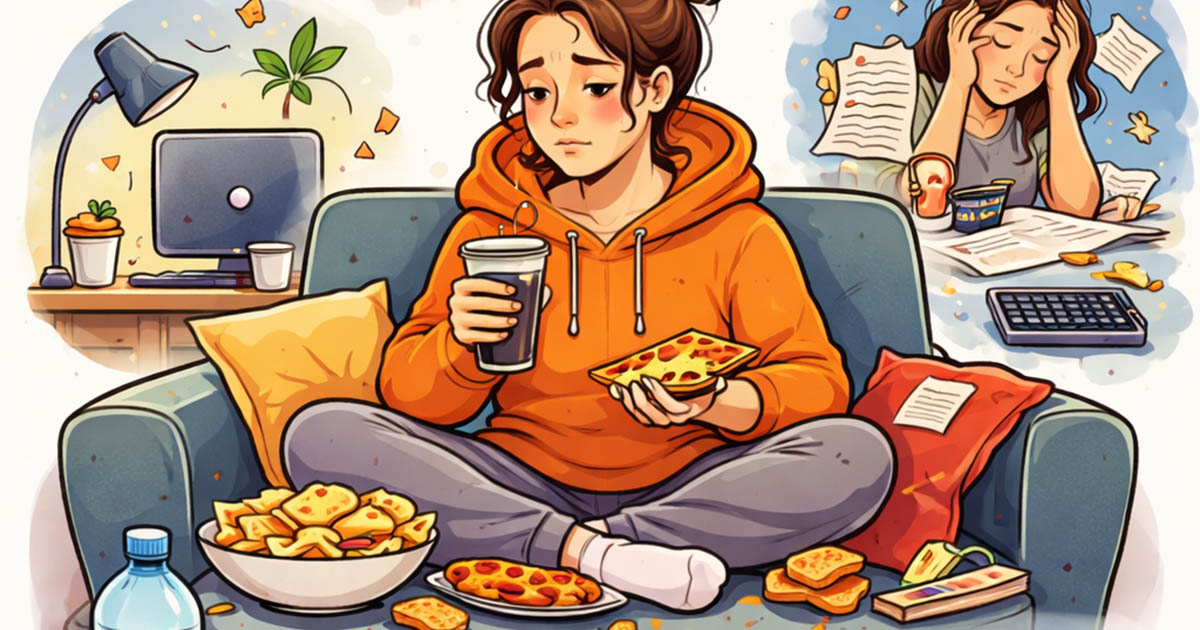
Even joyful events require energy. Planning, hosting, attending gatherings, and maintaining appearances all place demands on the nervous system. When these stressors stack up day after day, the body does not fully recover. Instead of brief stress followed by relief, many people experience low-grade stress that lasts for weeks.
This prolonged activation is a key reason Holiday Stress and Weight Gain are so closely linked.
The Difference Between Emotional Stress and Physical Stress
From a biological perspective, the body does not clearly differentiate between emotional stress and physical stress. A tense conversation, lack of sleep, constant notifications, skipped meals, and intense workouts all trigger similar internal responses.
The brain interprets stress as potential danger. In response, it activates survival mechanisms designed to preserve energy and increase the likelihood of survival. These mechanisms were helpful in ancient environments but can feel counterproductive in modern life—especially during the holidays.
How Stress Hormones Influence Weight Gain
Cortisol’s Role in Fat Storage
Cortisol is commonly called the “stress hormone,” but its primary role is to help the body respond to perceived threats. When cortisol rises, it increases available energy by raising blood sugar and slowing processes that are not immediately essential.
If the threat passes quickly, cortisol levels drop and balance returns. During chronic stress, however, cortisol remains elevated for longer periods. This sends a persistent signal that energy should be conserved.
As a result, calories are more likely to be stored as fat rather than burned. This is one of the core biological reasons Holiday Stress and Weight Gain occur even without overeating.
Why Stress Signals the Body to Hold Onto Calories
Under ongoing stress, the body behaves as though resources may soon be scarce. It becomes metabolically cautious. Fat storage is prioritized because fat represents long-term energy security.
This means the same meals that maintain weight during calmer months may contribute to fat gain during stressful periods. The issue is not what you are eating, but how your body is responding internally.
Stress vs Calories: Why the Scale Moves Without Overeating
Weight regulation is not solely about calorie intake. Hormones determine how calories are used—whether they are burned for energy, stored for later, or redirected to support stress responses.
During times of stress, hormonal signals favor storage. This explains why people often experience Holiday Stress and Weight Gain despite eating similar foods in similar quantities.
The Cortisol–Insulin Connection
How Stress Disrupts Blood Sugar Balance
Cortisol increases blood glucose so the body has quick access to energy. When this happens repeatedly, insulin must work harder to keep blood sugar levels stable.
Over time, cells can become less responsive to insulin. This temporary insulin resistance makes it easier for excess glucose to be converted into fat, particularly in the abdominal area.
Why Stable Eating Still Leads to Fat Gain Under Stress
Even balanced meals can trigger larger insulin responses when cortisol is elevated. This hormonal environment promotes fat storage rather than fat use.
This interaction explains why Holiday Stress and Weight Gain often show up around the midsection, even when food choices remain relatively healthy.
Sleep Disruption and Holiday Weight Gain
How Poor Sleep Alters Hunger Hormones
Holiday schedules frequently disrupt sleep. Late nights, early mornings, travel, and screen exposure all interfere with sleep quality.
Sleep deprivation increases ghrelin, the hormone that signals hunger, and decreases leptin, the hormone that signals fullness. Even if appetite does not noticeably increase, these hormonal changes encourage the body to conserve energy.
The Link Between Sleep Loss and Slower Metabolism
Lack of sleep reduces resting metabolic rate. The body burns fewer calories at rest and becomes less efficient at using stored fat for energy.
Sleep disruption is one of the most overlooked contributors to Holiday Stress and Weight Gain, yet it plays a critical role in how the body manages energy.
Stress Slows Metabolism in Subtle Ways
Why the Body Enters “Survival Mode”
When stress persists, the body shifts into a protective state often referred to as “survival mode.” This does not mean a dramatic shutdown, but rather subtle conservation.
Non-essential functions receive less energy. Metabolic processes slow slightly. Over days and weeks, these small changes add up.
Reduced Energy Burn During Chronic Stress
Chronic stress reduces spontaneous movement, decreases muscle efficiency, and lowers thermogenesis. You may still exercise, but total daily energy expenditure often declines without conscious awareness.
This metabolic slowdown further strengthens the link between Holiday Stress and Weight Gain.
Inflammation and Stress-Related Weight Gain
How Stress Triggers Low-Grade Inflammation
Elevated cortisol and insufficient sleep increase inflammatory markers in the body. This low-grade inflammation is not immediately noticeable but has significant metabolic effects.
Inflammation interferes with hormonal signaling, particularly insulin sensitivity and fat metabolism.
Why Inflammation Makes Weight Loss Harder
When inflammation is present, the body struggles to efficiently access stored fat. Fat loss becomes more difficult, and weight gained during stressful periods can feel stubborn and resistant to usual strategies.
Why Exercise Doesn’t Always Offset Holiday Stress
Overtraining and Elevated Cortisol
Exercise is often recommended as a stress reliever, but intensity matters. During periods of high stress, intense or excessive workouts can further elevate cortisol.
Without sufficient recovery, exercise becomes another stressor rather than a solution.
When Workouts Increase Stress Instead of Reducing It
Long, high-intensity sessions combined with poor sleep and busy schedules can reinforce fat storage rather than prevent it. During the holidays, gentle movement often works better.
Walking, stretching, light strength training, and restorative practices help regulate stress hormones without overwhelming the system. This approach supports balance and reduces Holiday Stress and Weight Gain more effectively than pushing harder.
Emotional Regulation vs Emotional Eating
Gaining Weight Without Changing Food Intake
Weight gain during stressful periods is not always driven by emotional eating. Many people gain weight even when their diet remains consistent.
The key difference lies in hormonal shifts that change how food is processed, not how much is consumed.
Stress-Driven Hormonal Shifts Most People Miss
Because eating habits appear unchanged, stress-related weight gain feels confusing and discouraging. Recognizing the hormonal component helps remove unnecessary guilt and allows for more effective solutions.
How to Reduce Stress-Related Weight Gain During the Holidays
Simple Nervous System Reset Strategies
Small daily practices can significantly lower stress levels. Slow breathing, short walks, quiet mornings, reduced screen exposure, and intentional pauses help signal safety to the nervous system.
When the body feels safe, cortisol levels naturally decline. This directly reduces the risk of Holiday Stress and Weight Gain.
Improving Sleep to Normalize Hormones
Consistency matters more than perfection. Going to bed and waking up at similar times helps regulate cortisol rhythms, even if total sleep time varies.
Creating a calming nighttime routine and protecting sleep whenever possible improves metabolic health during stressful periods.
Nutrition Choices That Lower Cortisol
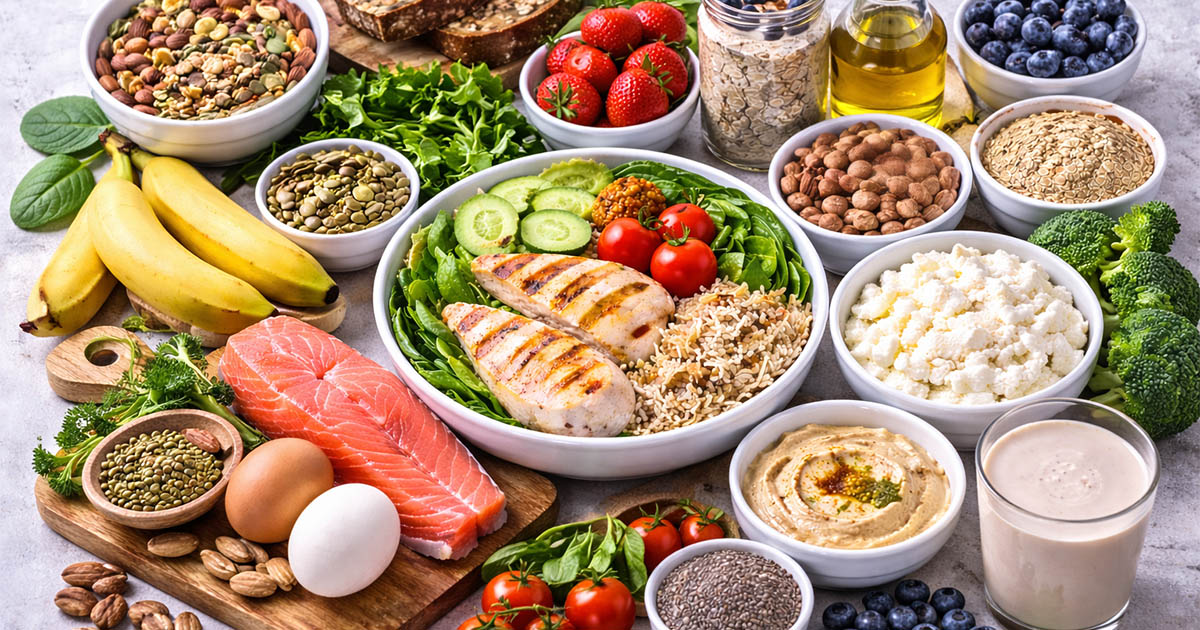
Balanced meals that include protein, fiber, and healthy fats stabilize blood sugar and reduce stress responses. Skipping meals or prolonged fasting can increase cortisol levels, especially on busy days.
Supporting the body with regular nourishment helps counteract Holiday Stress and Weight Gain without restrictive dieting.
Can Holiday Weight Gain Be Prevented?
Small Lifestyle Shifts That Make a Big Difference
Stress management, sleep protection, gentle movement, and consistent meals often outperform strict dieting during the holidays. These strategies work with the body rather than against it.
Why Stress Management Matters More Than Diet Alone
Without addressing stress, dietary changes may feel ineffective. When stress hormones are regulated, the body becomes more responsive to healthy habits and better able to maintain balance.
This is why addressing Holiday Stress and Weight Gain requires a broader perspective than calories alone.
The Takeaway: Why Stress Matters More Than Calories
Rethinking Weight Gain Through a Hormonal Lens
Holiday weight gain is not a personal failure. It is a biological response to prolonged stress, disrupted sleep, and hormonal imbalance.
Viewing weight through this lens fosters greater compassion and more effective strategies.
Building a Healthier Holiday Mindset
By prioritizing stress reduction over restriction, you protect not just your weight, but also your energy, mood, and long-term health. The goal is not perfection, but balance.
When you understand the true connection between Holiday Stress and Weight Gain, the holidays can become a season of care rather than frustration—and a foundation for healthier habits in the year ahead.
Read for more information : 9 Reasons You May Be Gaining Weight Unintentionally
Read next on Lifenurt : 7 Science-Backed Weight Management Tips for Sustainable Results
10 Common Weight Management Mistakes You Should Avoid in 2025












Post Comment