Fever vs Mercury: Decoding Body Temperature for Better Wellness

Fever vs Mercury: A Modern Wellness Guide
Introduction
Body temperature is one of the easiest health indicators to check, yet it often causes unnecessary confusion. The moment a thermometer reading creeps above what’s considered “normal,” many people begin to worry. But here’s the reality: not every temperature rise, whether measured with a digital or old-style mercury thermometer, means you actually have a fever.
A true fever is your body’s natural defense system at work, signaling that your immune system is fighting off infection or inflammation. Mercury, by contrast, was simply the liquid used in traditional glass thermometers to measure heat. Today, those mercury devices are largely replaced by safer, digital, and infrared options.
Understanding the difference between a genuine fever and a simple temperature variation can bring peace of mind. This guide breaks down what your thermometer readings really mean, clears up common misconceptions, and shares practical steps for managing your health with confidence.
Understanding Body Temperature Basics
What Is a Normal Body Temperature?
For years, “98.6°F” has been treated as the standard baseline. Modern research, however, shows that a healthy body temperature can range anywhere between 97°F and 99°F, depending on the individual. What’s considered “normal” for one person may be slightly higher or lower for another.
Why Temperature Varies Throughout the Day
- Morning readings tend to be lower.
- Temperatures often climb in the afternoon and evening.
- Physical activity, hormonal changes, and even stress can shift the numbers.
Factors That Influence Body Heat
- Age: Young children often run warmer, while older adults tend to be naturally cooler.
- Activity: Exercise raises body heat temporarily.
- Environment: Hot weather, layered clothing, or even a warm drink can nudge the reading upward.
Fever vs Mercury — What’s the Difference?
What Fever Really Means
A fever itself isn’t an illness; it’s a symptom of an underlying condition. It’s the body’s way of signaling that the immune system is responding to an infection, typically a foreign invader. A fever is generally defined as a temperature of 100.4°F (38°C) or higher.
Mercury Thermometers and Their Role in History
Mercury thermometers, once standard in households, worked by expanding mercury inside a glass tube as the heat rose. While accurate, they carried a risk: if broken, mercury exposure is toxic. For that reason, safer digital and infrared thermometers have largely replaced them.
Why a Rising Reading Doesn’t Always Mean Fever
Numbers can climb for reasons other than illness, including:
- Physical exertion
- Hot drinks or meals
- A warm environment
- Incorrect use of the thermometer
This is why the context behind a reading is just as important as the number itself.
Modern Tools for Measuring Temperature
Digital vs Mercury Thermometers
Digital thermometers are now the go-to choice. They’re faster, safer, and easier to use than traditional mercury ones.
Infrared and Smart Thermometers
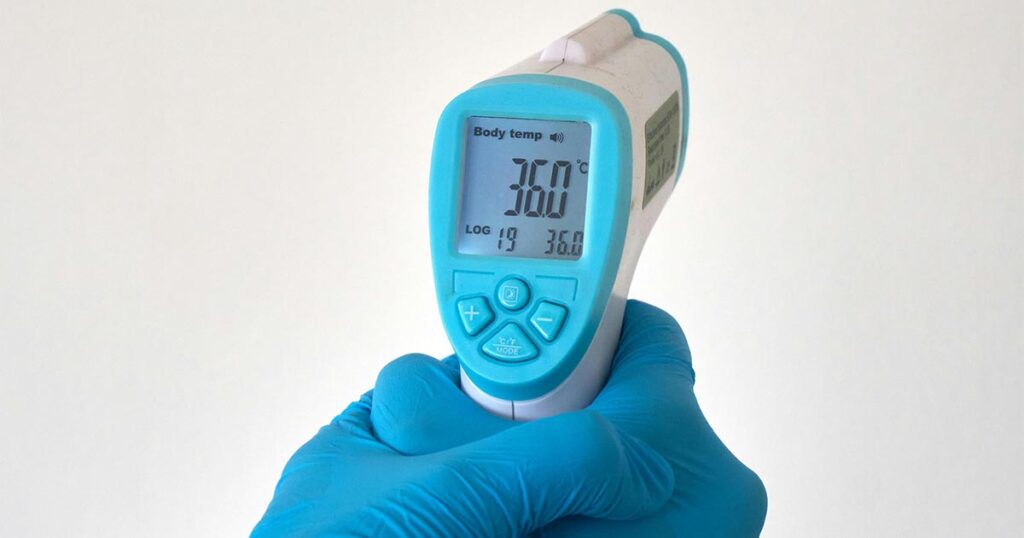
Infrared devices enable quick, non-contact checks, while smart thermometers can sync with apps to track long-term trends—helpful for families managing their children’s health.
Accuracy Can Vary
- Oral, ear, and forehead thermometers may give slightly different results.
- Technique matters: placing the device incorrectly or rushing the process can affect accuracy.
When to Worry About Fever
Common Fever Symptoms
- Chills or sweating
- Headaches or body aches
- Fatigue or weakness
- Reduced appetite
Children vs Adults
- Children: A fever in a baby younger than 3 months (above 100.4°F) requires medical advice. Older children with high or prolonged fevers should also be monitored closely.
- Adults: Seek help if a fever rises above 103°F, lasts more than three days, or comes with severe symptoms such as chest pain, shortness of breath, or confusion.
Red Flag Situations
Immediate medical care is needed if the fever is:
- Higher than 104°F
- Accompanied by seizures, disorientation, or rash
- Present in someone with a weakened immune system
Practical Wellness Tips for Managing Fever
At-Home Care Strategies
- Rest as much as possible
- Keep cool with breathable clothing and a comfortable room temperature
- Use fever reducers like acetaminophen or ibuprofen if needed, following dosage guidelines
Hydration and Nutrition
Fever often causes dehydration due to sweating. Drink plenty of fluids, such as water, broths, or electrolyte solutions. Light meals such as soups, fruits, and whole grains are easier on the body while recovering.
Myths vs Facts
- Myth: A cold bath will break a fever.
- Fact: Lukewarm baths or cool compresses are safer. Icy water can actually exacerbate the situation by triggering shivering.
- Myth: Every fever must be lowered.
- Fact: Low-grade fevers can be beneficial, as they help the immune system fight infections.
Prevention & Proactive Wellness
Boosting Immunity Through Lifestyle
Healthy habits reduce the likelihood of frequent or severe fevers:
- Eat a nutrient-rich diet with fruits, vegetables, and whole grains
- Stay active with regular exercise
- Prioritize 7–9 hours of quality sleep
- Practice stress-relief techniques like meditation or yoga
Monitoring Temperature Regularly
Keep a reliable digital thermometer handy. Tracking patterns over time can be more meaningful than a single elevated reading.
Household Preparedness
- Store thermometers where they’re easy to find
- Keep fever-reducing medications available and safe
- Stock electrolyte drinks or oral rehydration solutions for sick days
Refer: https://www.ijpediatrics.com/index.php/ijcp/article/view/6673
Final Thoughts
Fever and mercury are not the same thing. Fever is your body’s signal that it’s fighting something, while mercury or today’s digital equivalents are just tools that record temperature.
By understanding this distinction, you can avoid unnecessary panic and focus on what truly matters: the overall picture of health. With the proper knowledge, reliable tools, and a calm approach, you can manage fevers effectively and support better wellness for yourself and your loved ones.
https://lifenurt.com/wp-admin/post.php?post=3044&action=edit














Post Comment