FDA Hormone Therapy Rule Update: Women’s Wellness Empowered for a Safer Future

Understanding the FDA’s New Hormone Therapy Rule
The FDA hormone therapy rule has reshaped how women and healthcare providers view menopause care. In a bold move, the U.S. Food and Drug Administration (FDA) officially removed the “black box” warning from hormone replacement therapy (HRT) products used to treat menopausal symptoms. This landmark decision reflects years of scientific progress and renewed understanding of hormone safety — marking a turning point in women’s health and wellness.
For decades, the black box carried the FDA’s most serious caution, warning about potential risks such as breast cancer, stroke, or heart disease. However, recent data paints a more nuanced picture — showing that for most women, especially those who begin treatment soon after menopause, hormone therapy is both safe and beneficial when prescribed appropriately.
This update represents a new era in medical communication — one that replaces fear with informed choice and empowers women to take control of their health with confidence.
Why the Black Box Warning Was Removed After Two Decades
The controversy began in the early 2000s when the Women’s Health Initiative (WHI) study linked hormone therapy to serious health complications. The headlines were alarming, and within months, millions of women stopped treatment altogether. But the whole story turned out to be far more nuanced.
Subsequent analysis revealed that the study’s participants were, on average, older than the typical hormone therapy user, and many had begun treatment years after menopause — precisely when risks are higher. For women closer to menopause, the data showed that the therapy’s benefits often outweighed potential risks, helping to regulate temperature swings, improve sleep, and maintain bone strength.
By removing the warning, the FDA is finally aligning with the most current and accurate research — emphasizing that age, timing, and dosage make all the difference.
A Brief History of Hormone Replacement Therapy
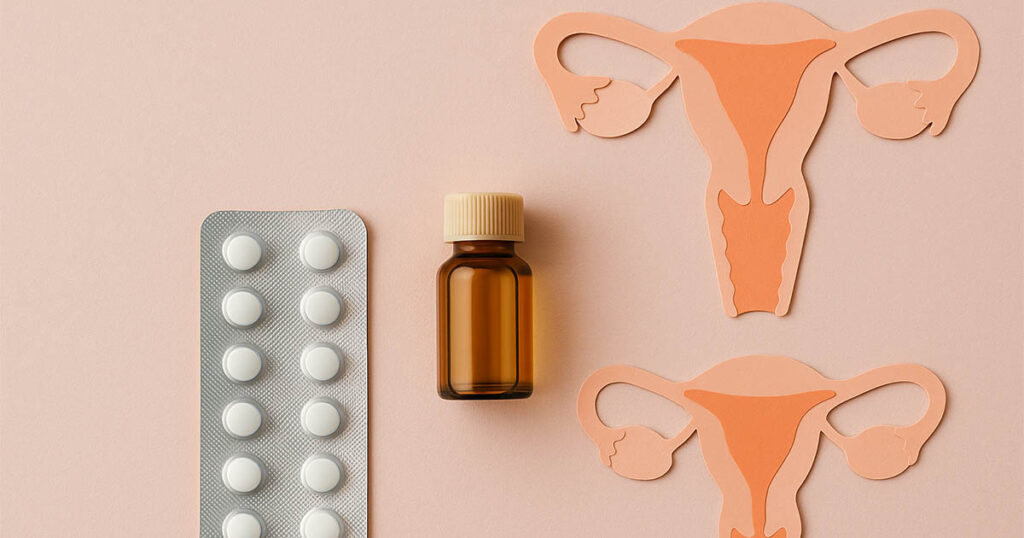
Hormone replacement therapy entered mainstream medicine as a beacon of hope. For countless women, it offered relief from hot flashes, mood changes, and other disruptive symptoms of menopause. During the 1990s, HRT use soared. Then came the WHI study, and the pendulum swung dramatically in the other direction.
Doctors who once confidently prescribed HRT grew cautious. Women who had benefited from it were told to stop. Over time, however, as new studies emerged and medical understanding deepened, a more balanced narrative took shape. The FDA’s recent decision marks the culmination of that journey, recognizing HRT not as a danger, but as a powerful and safe tool when used correctly.
What the Latest Research Reveals About Hormone Therapy Safety
Today’s medical consensus is clear: for healthy women under 60 or within ten years of menopause, hormone therapy is both practical and safe. Modern, lower-dose formulas — especially skin patches and gels — are gentler on the body and carry fewer cardiovascular risks than older versions.
Studies now show HRT can:
- Ease hot flashes, night sweats, and mood changes
- Prevent bone loss and lower osteoporosis risk
- Improve sleep, focus, and overall mood
- Support vaginal and urinary health
While every treatment requires individual assessment, the overall message is reassuring — when prescribed thoughtfully, HRT improves quality of life with minimal risk.
How the FDA’s Decision Empowers Women’s Health Choices
The lifting of the warning label isn’t just a bureaucratic revision; it’s a restoration of trust. For too long, women were told to endure menopause as an inevitable part of aging, often in silence. The FDA’s decision encourages open, informed conversations between patients and healthcare providers.
This change gives women permission to ask questions, explore options, and advocate for what feels right for their bodies. It signals a move toward personalized medicine — one that values the individual rather than treating every woman as the same statistical risk.
In short, it places power back where it belongs: in women’s hands.
Benefits of Hormone Therapy for Menopausal Women
When used under medical supervision, hormone therapy can bring remarkable improvements to both physical and emotional well-being. Among its many benefits:
- Hot flashes and night sweats often disappear within weeks.
- Mood and sleep patterns stabilize.
- Libido and intimacy improve.
- Bone density remains stronger, lowering fracture risk.
- Some evidence suggests cardiovascular benefits in early users.
Beyond the physical, women often describe feeling more like themselves again—clear-minded, energized, and emotionally steady.
Possible Risks and Who Should Still Be Cautious
Hormone therapy isn’t suitable for everyone. Women with a history of breast or uterine cancer, blood-clotting disorders, or certain heart and liver conditions may need alternative approaches. Doctors usually recommend starting with the lowest effective dose for the shortest necessary time, adjusting as required through regular follow-ups.
The message is simple: HRT can be safe — but it should be personal.
10 Powerful Ways to Mark World Mental Health Day 2025
New Treatment Options Approved Alongside the Rule Change
Coinciding with the removal of the black box, the FDA also approved two new HRT formulations with improved precision and fewer side effects. These modern options — including low-dose transdermal patches and novel oral combinations — release hormones in steadier, more natural patterns.
Some blend estrogen with SERMs (selective estrogen receptor modulators) to protect specific tissues while enhancing benefits elsewhere. It’s the latest step in a medical evolution that prioritizes safety, customization, and comfort.
Expert Reactions: Doctors and Advocates Applaud the Move
The medical community’s response has been overwhelmingly positive.
Dr. Jennifer Gunter, a gynecologist and author widely known for her advocacy in women’s health, called the change “a scientific correction long overdue.” Others echoed her sentiment, saying it would empower both patients and physicians to approach menopause care without fear.
Health advocates see this as more than a medical decision — it’s a cultural correction that acknowledges how misinformation has shaped women’s health choices for too long.
What This Means for the Future of Women’s Wellness
The FDA’s reversal is a cultural and scientific turning point. It signals that data, not outdated fear, must guide women’s health, and that menopausal care deserves the same respect and research as any other stage of life.
By embracing new evidence, the FDA has opened the door for a more compassionate, informed era in women’s healthcare — one where menopause is treated as a natural transition, not a disease or taboo.
Tips for Talking With Your Doctor About Hormone Therapy
If you’re thinking about hormone therapy, consider these steps before your appointment:
- Document your symptoms — note frequency and severity.
- Share your medical and family history clearly.
- Discuss all available options, including non-hormonal alternatives.
- Ask about starting with a low dose and adjusting as needed.
- Schedule regular checkups to monitor progress and safety.
A transparent conversation helps ensure your treatment plan fits your unique needs and comfort level.
Urgent 1 Health Warning: Listeria Found in Ready-to-Eat Pasta Meals
Final Thoughts: Reimagining Confidence in Women’s Health Care
This decision is more than a medical update — it’s a symbolic victory for women everywhere. The FDA’s new stance restores credibility to hormone therapy and offers renewed hope for millions struggling with menopause symptoms in silence.
As science advances, so does our understanding of women’s health. Menopause isn’t an ending; it’s a beginning of renewed balance, and with accurate information, modern medicine, and self-advocacy, women can move through it confidently — informed, empowered, and free from fear.














Post Comment