Epstein–Barr Virus Warning: Early Signs You Should Never Ignore
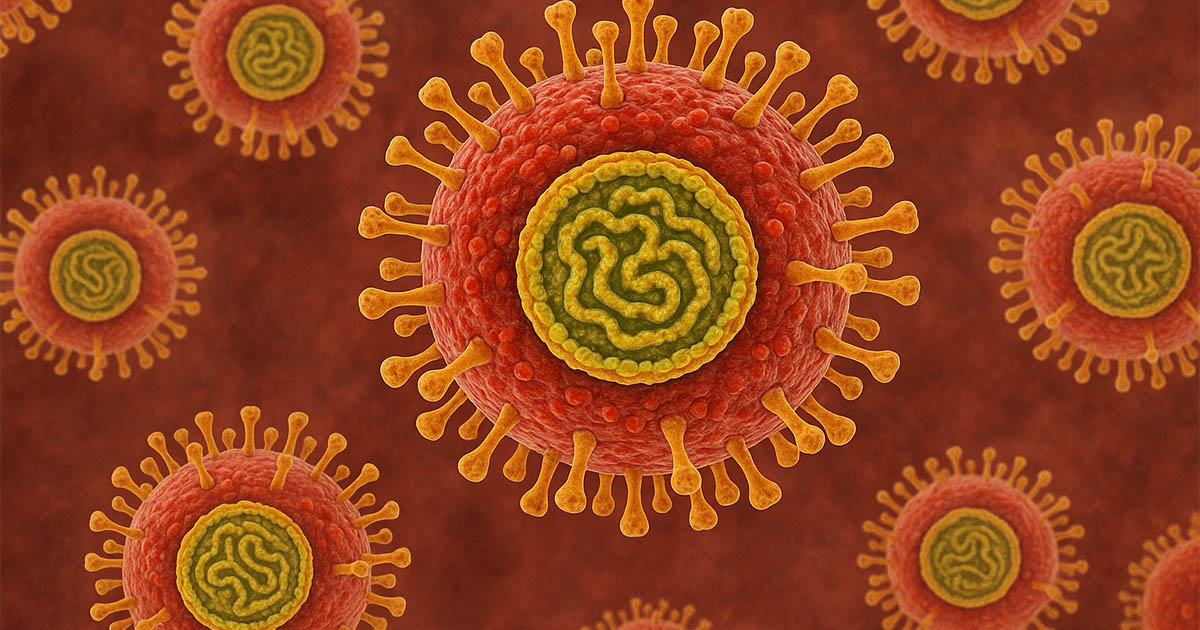
Early Warning Signs of Epstein–Barr Virus You Should Never Ignore
Epstein–Barr Virus Warning: Early Signs You Should Never Ignore

Epstein–Barr Virus warning signs often start subtly, yet they can indicate a viral infection that affects nearly every person at some point in life. EBV is so common that most people don’t even realize they’ve had it. Still, ignoring early symptoms can lead to weeks of exhaustion, painful throat complications, and in rare cases, more serious health issues. That’s why learning the Epstein–Barr Virus warning signs is essential for early action and better recovery.
This comprehensive guide explains everything you need to know—how EBV spreads, early symptoms, severe risks, diagnosis methods, treatment, and long-term prevention.
What Is Epstein–Barr Virus? Understanding This Widespread Infection

Epstein–Barr Virus (EBV) is one of the most widespread viruses worldwide, affecting 90–95% of adults. It belongs to the herpesvirus family, and once it enters your body, it stays there for life. The virus can remain dormant for years and reactivate when your immune system becomes weak. Because EBV is so common, knowing Epstein–Barr Virus warning signs helps you avoid misdiagnosis and long-term fatigue.
EBV is also the leading cause of infectious mononucleosis, commonly known as mono. Though most cases are mild, some people experience severe fatigue and throat pain lasting weeks or months.
Why Epstein–Barr Virus Warning Signs Matter More Than You Think
Most people recover from EBV without complications—but only when symptoms are recognized early. If the early Epstein–Barr Virus warning signs are ignored, the infection may lead to:
- Severe fatigue lasting months
- Liver inflammation
- A swollen spleen
- Intense throat swelling
- Long-term immune weakness
In rare cases, EBV has been associated with autoimmune disorders. While these outcomes are uncommon, identifying Epstein–Barr Virus warning signs early can dramatically reduce complications and speed healing.
Early Epstein–Barr Virus Warning Signs You Should Never Ignore

Many Epstein–Barr Virus warning signs appear slowly and can be mistaken for a mild cold, stress, or dehydration. Here’s what you must pay attention to:
1. Unusual Fatigue That Doesn’t Improve
Fatigue is one of the earliest and most common Epstein–Barr Virus warning signs. People with EBV often feel drained even after sleeping well or resting throughout the day.
2. Persistent Sore Throat
If your sore throat lasts more than four or five days and at-home remedies don’t help, EBV may be the cause. This is a classic EBV symptom.
3. Swollen Lymph Nodes
Enlarged lymph nodes in the neck or under the jaw are vital Epstein–Barr Virus warning signs. They may feel tender, swollen, and warm.
4. Mild or Moderate Fever
Fevers that come and go—especially in the evening—should not be ignored.
5. Headaches and Body Aches
These aches feel similar to flu symptoms but last longer and may intensify slowly.
6. Reduced Appetite
If eating becomes uncomfortable due to throat pain or weakness, this is another early indicator.
7. Night Sweats
EBV can cause heavy sweating during sleep, even when your room is cool.
When these warning signs appear together, they strongly point toward an EBV infection.
Common Epstein–Barr Virus Warning Signs in Adults and Teenagers
Teens and young adults are more likely to develop noticeable symptoms. Significant Epstein–Barr Virus warning signs in this age group include:
1. High Fever
Temperatures may reach up to 102–104°F (38.8–40°C).
2. Enlarged Tonsils
The tonsils may become very swollen and develop white or yellow patches.
3. Severe Throat Pain
Swallowing becomes difficult, and throat irritation may persist for 1–2 weeks.
4. Extreme Weakness
Some people experience weakness so severe that basic tasks feel exhausting.
5. Enlarged Spleen
A swollen spleen is among the most serious Epstein–Barr Virus warning signs and requires medical attention.
These symptoms indicate that the virus is actively affecting your immune system.
Severe Epstein–Barr Virus Warning Signs That Require Immediate Care
Although most cases are mild, certain Epstein–Barr Virus warning signs suggest complications. Seek urgent medical help if you experience:
1. Sharp Pain on the Left Side of Your Abdomen
This suggests spleen enlargement or rupture—an emergency.
2. Difficulty Breathing
Extreme tonsil swelling can obstruct the airway.
3. High Fever for More Than 7 Days
This may indicate that the infection is progressing or that complications are developing.
4. Yellow Skin or Eyes (Jaundice)
Indicates liver involvement or hepatitis caused by EBV.
5. Severe Dehydration
Inability to swallow or keep fluids down requires medical attention.
These rare but serious Epstein–Barr Virus warning signs should never be ignored.
How Epstein–Barr Virus Spreads and Why Warning Signs Appear Slowly
EBV spreads primarily through saliva, making it one of the most uncomplicated infections to transmit. You can get EBV by:
- Sharing drinks, cups, or utensils
- Kissing
- Sharing toothbrushes
- Exposure to cough droplets
- Sharing personal items contaminated with saliva
People most at risk include:
- Teenagers
- College students
- Caregivers
- People living in crowded environments
- Individuals with weakened immunity
Since the virus incubates for 4–6 weeks, Epstein–Barr Virus warning signs can take time to appear, which is why many overlook them.
How Doctors Diagnose Epstein–Barr Virus Warning Signs Accurately
Doctors diagnose EBV through symptoms and medical tests. To confirm the virus, they may use:
1. Monospot Test
A rapid blood test to detect EBV antibodies.
2. EBV Antibody Panel
Measures specific antibodies and determines whether the infection is recent, past, or reactivated.
3. Complete Blood Count (CBC)
Helps detect abnormal white blood cells.
4. Liver Function Tests
EBV can sometimes cause liver inflammation.
Early diagnosis helps you manage symptoms and avoid complications.
Treatment Options for Epstein–Barr Virus Warning Signs
There is no direct cure for EBV, but treatment focuses on symptom relief and immune support. Effective treatment options include:
Adequate Rest
Your body needs time to heal.
Hydration
Water, soups, broths, and electrolytes help prevent dehydration.
Pain Relievers
Ibuprofen or acetaminophen reduces fever and discomfort.
Saltwater Gargles
Help soothe throat irritation and swelling.
Avoid Heavy Exercise
Especially contact sports due to spleen vulnerability.
Nutrient-Dense Diet
Anti-inflammatory foods support recovery and reduce the intensity of Epstein–Barr Virus warning signs.
Recovery can take 2–6 weeks, though fatigue may persist longer.
How Long Epstein–Barr Virus Stays in the Body
EBV remains in your body forever. After initial infection, it becomes dormant within your immune cells. For most people, it never causes problems again. But for others, reactivation can occur silently.
Reactivation may happen when:
- You are under high stress
- Your immunity is low
- You’re sick with another infection
- You’re chronically tired
Understanding Epstein–Barr Virus warning signs helps you catch reactivation early.
How to Prevent Epstein–Barr Virus and Reduce Severe Warning Signs
Although you cannot entirely avoid EBV, you can prevent severe symptoms and reactivation by:
Never share drinking glasses or utensils.
This is one of the top ways EBV spreads.
Avoiding close contact with sick individuals
Especially if they show Epstein–Barr Virus warning signs.
Washing hands frequently
Bronchial droplets are a significant route of transmission.
Getting enough sleep
Poor rest weakens the immune system.
Managing stress
High stress triggers EBV reactivation.
Eating an immune-boosting diet
Vitamins, antioxidants, and Hydration make a big difference.
These steps won’t eliminate the virus, but they will significantly reduce your risk of complications.
When to See a Doctor for Epstein–Barr Virus Warning Signs
If you notice the following persistent or severe Epstein–Barr Virus warning signs, seek medical care:
- A sore throat lasting more than 7–10 days
- Extreme fatigue disrupting daily life
- High fever
- Severe abdominal pain
- Difficulty breathing
- Yellowing of the eyes or skin
- Swollen lymph nodes that continue to grow
Early diagnosis and proper care help prevent long-term problems.
Conclusion
Recognizing early Epstein–Barr Virus warning signs is essential for preventing complications and ensuring a smoother recovery. While EBV is ubiquitous and often mild, ignoring the symptoms can lead to prolonged fatigue, spleen issues, and in rare cases, serious health problems. By paying attention to your body, taking symptoms seriously, and seeking timely medical guidance, you can manage EBV effectively and protect your long-term health.
Also read for more information : Understanding Epstein Barr Virus: A Comprehensive Guide













Post Comment