Digital Detox: 9 Warning Signs Your Brain Is Overloaded by Screens

What Is a Digital Detox and Why Your Brain Needs It
How Constant Screen Exposure Affects Mental Health
A digital detox is more than turning off your phone for an hour. It’s a conscious break from screens, phones, tablets, laptops, TVs, and smart devices that constantly demand your attention. In today’s hyper-connected world, people spend more time looking at screens than sleeping, and the effect on the brain is becoming impossible to ignore.
How Constant Screen Exposure Affects Mental Health
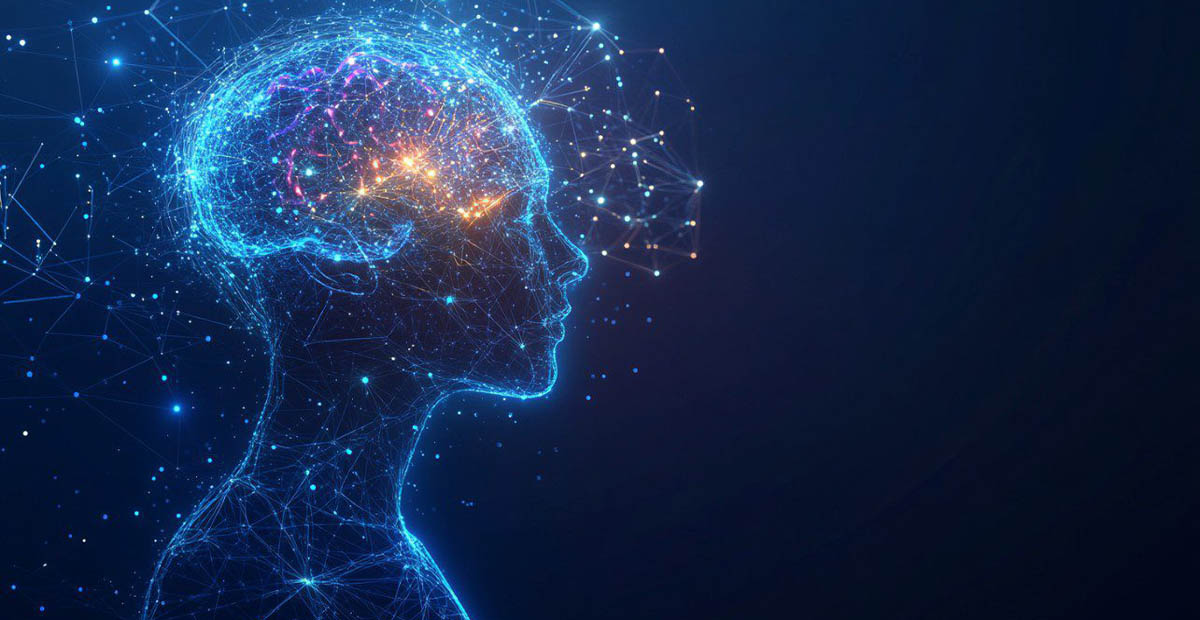
High screen time forces the brain into a non-stop state of stimulation. Notifications trigger mini stress responses. Endless scrolling spikes dopamine. Multitasking overloads your working memory. Over time, the brain becomes tired, scattered, and less resilient.
The Science Behind Digital Overload
Neuroscientists have found that excessive screen use reduces deep focus, heightens anxiety, and interferes with sleep. When your brain is always “on,” it doesn’t have time to reset. This is why a digital detox is now considered essential—not optional—for mental wellness.
1: You Feel Mentally Exhausted Without Physical Activity

Many people assume exhaustion comes from physical work. But today, mental fatigue is far more common. If you feel tired even when doing nothing physically demanding, your brain may be overstimulated by screens.
Why Screen Fatigue Mimics Burnout
Constant scrolling, rapid information intake, and digital multitasking drain cognitive energy the same way heavy emotional stress does. A digital detox helps restore clarity and reduce the pressure on your mind.
2: You Can’t Focus for More Than a Few Minutes
If your attention jumps from one thing to another, screens might be rewiring your brain. Short-form content, notifications, and split-screen multitasking train your brain to seek quick stimulation rather than deep focus.
How Screens Reduce Attention Span
Studies show that attention span is shrinking globally, partly due to digital consumption. A digital detox gives your brain breathing room to rebuild concentration.
3: You Wake Up Reaching for Your Phone
Your day starts before your brain does. Checking social media, emails, or messages the moment you open your eyes signals digital dependency.
The Hidden Emotional Dependency on Notifications
Your brain gets addicted to tiny dopamine hits from likes, alerts, and updates. A digital detox breaks this habit and lets your mind wake up naturally, without external stimulation.
4: You Feel Anxious When You’re Offline
If being away from your device—even for a short time—makes you anxious, you may be experiencing digital FOMO (fear of missing out).
The Psychology of Digital FOMO
Your brain fears losing connection, updates, opportunities, or validation. A digital detox helps reduce these emotional triggers and restores emotional independence.
5: Your Sleep Is Getting Worse

Blue light from screens disrupts melatonin production, the hormone responsible for sleep. If you struggle with insomnia or restless nights, screen habits might be the culprit.
How Blue Light Disrupts Deep Sleep Cycles
Using screens within two hours of bedtime keeps the brain alert. A nightly digital detox routine dramatically improves sleep quality.
6: You Constantly Compare Your Life to Others Online
Social media can inspire, but it can also distort reality. If you often compare your body, life, achievements, or happiness to others online, your mental health may be at risk.
Social Media and Emotional Self-Esteem Triggers
Highlight reels can create unrealistic expectations and increase feelings of inadequacy. A digital detox lets you reconnect with real life rather than digital illusions.
7: You Struggle to Be Present in Real Conversations
If conversations feel boring compared to short-form digital content, or you’re tempted to check your phone mid-discussion, you’re experiencing digital distraction.
Digital Distraction and Social Disconnect
Your brain gets used to rapid stimulation. Real-life communication is slower and requires attention. A digital detox helps retrain your mind to stay engaged.
8: You Feel Irritated or Restless Without Your Device
If you feel uneasy when your phone’s battery is low or when you’re separated from your device, this could be an early sign of digital dependency.
How Digital Habits Turn Into Addictive Patterns
Screens can overstimulate the brain’s reward system. A digital detox helps reduce irritability and restores balance to your emotional responses.
9: You No Longer Enjoy Activities You Used to Love
If movies, hobbies, reading, or spending time with loved ones feel “less interesting” than scrolling, your dopamine system may be overstimulated.
Screens and Reduced Dopamine Sensitivity
Too much digital stimulation makes real-life activities feel dull. A digital detox resets dopamine levels and restores joy in everyday moments.
How to Start a Simple, Effective Digital Detox Today
You don’t need to disappear into the mountains. A modern digital detox fits into your daily life and helps your brain slowly recover from overload.
Daily Habits That Ease You Into Low-Screen Living
- Keep the first hour of your day screen-free
- Use grayscale mode to reduce dopamine highs
- Turn off non-essential notifications
- Set app time limits
Practical Boundaries for a Healthier Mind
- No screens during meals
- No device in the bedroom
- One screen-free block daily (30–60 minutes)
Small Lifestyle Changes With Big Emotional Benefits
- Replace scrolling with journaling
- Take short walks without your phone
- Read a physical book for 10 minutes daily
- Practice mindfulness breathing exercises
Each of these small steps makes your digital detox easier and more sustainable.
Final Thoughts: Your Mind Deserves a Break
Your brain wasn’t designed for 24/7 digital stimulation. Ignoring the warning signs can lead to burnout, anxiety, sleep issues, and emotional instability. A regular digital detox isn’t about rejecting technology—it’s about creating balance and protecting your mental wellness.
Even a 30-minute detox each day can change how you think, feel, and function. Your mind will become clearer, calmer, and more focused—and you’ll reconnect with the life happening right in front of you.
Also Read for more information : How to Do a Digital Detox
Read next on Lifenurt : 10 Science-Backed Health Tips to Improve Heart Health Starting Today
Transform Your Life: How Small Lifestyle Changes Can Add 10 Powerful Years to Your Health











Post Comment